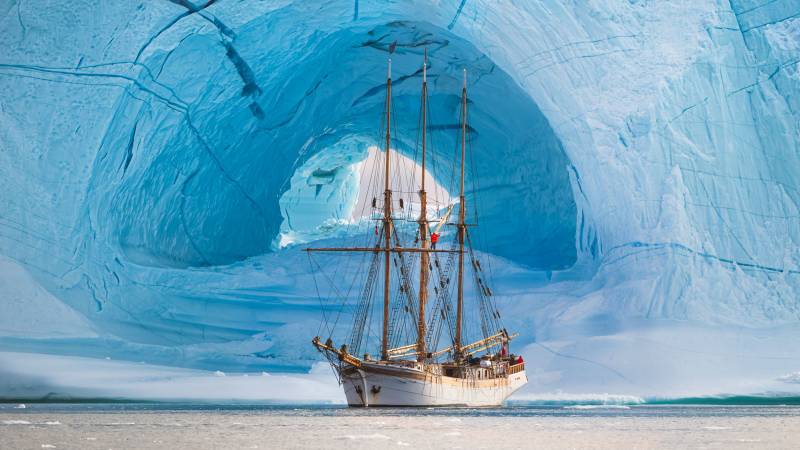
Antarctica remains the final frontier of human exploration, a landmass so extreme and remote that it was not even sighted until 1820. The social media channel Dots on a Map documented a rare expedition to this seventh continent, marking a ninth wedding anniversary with a journey to the coldest, highest, and windiest place on the planet. Starting from Punta Arenas, Chile, the team utilized the specialized "fly-cruise" model of Antarctica 21, which bypasses the notoriously rough Drake Passage with a two-hour flight to reach their base of operations, the boutique vessel Magellan Explorer. This logistical choice proved critical, as the continent's legendary unpredictability nearly stranded the group when winds reaching 200 mph forced a sudden, 24-hour advancement of their departure schedule. Upon arrival, strict biosecurity protocols, including a mandatory "boot car wash," were enforced to protect the pristine ecosystem from outside contaminants.
Related article - Uphorial Shopify

The expedition’s itinerary offered a visceral look at the continent's diverse landscapes, from the "iceberg graveyard" at Spert Island—where frozen formations taller than ten-story buildings are grounded in shallow water—to the serene, mirror-like waters of the Lemaire Channel. Beyond its natural beauty, the Dots on a Map team captured the scientific and historical weight of the region. They participated in data collection on a science boat, measuring bacteria and water clarity to help researchers track how warming waters and melting ice are reshaping the environment. At Whalers' Bay on Deception Island, they kayaked through a flooded volcanic crater that serves as a somber graveyard, where the massive bones of slaughtered whales remain visible in the clear water—a haunting reminder of a 20th-century industry that claimed over two million animals.
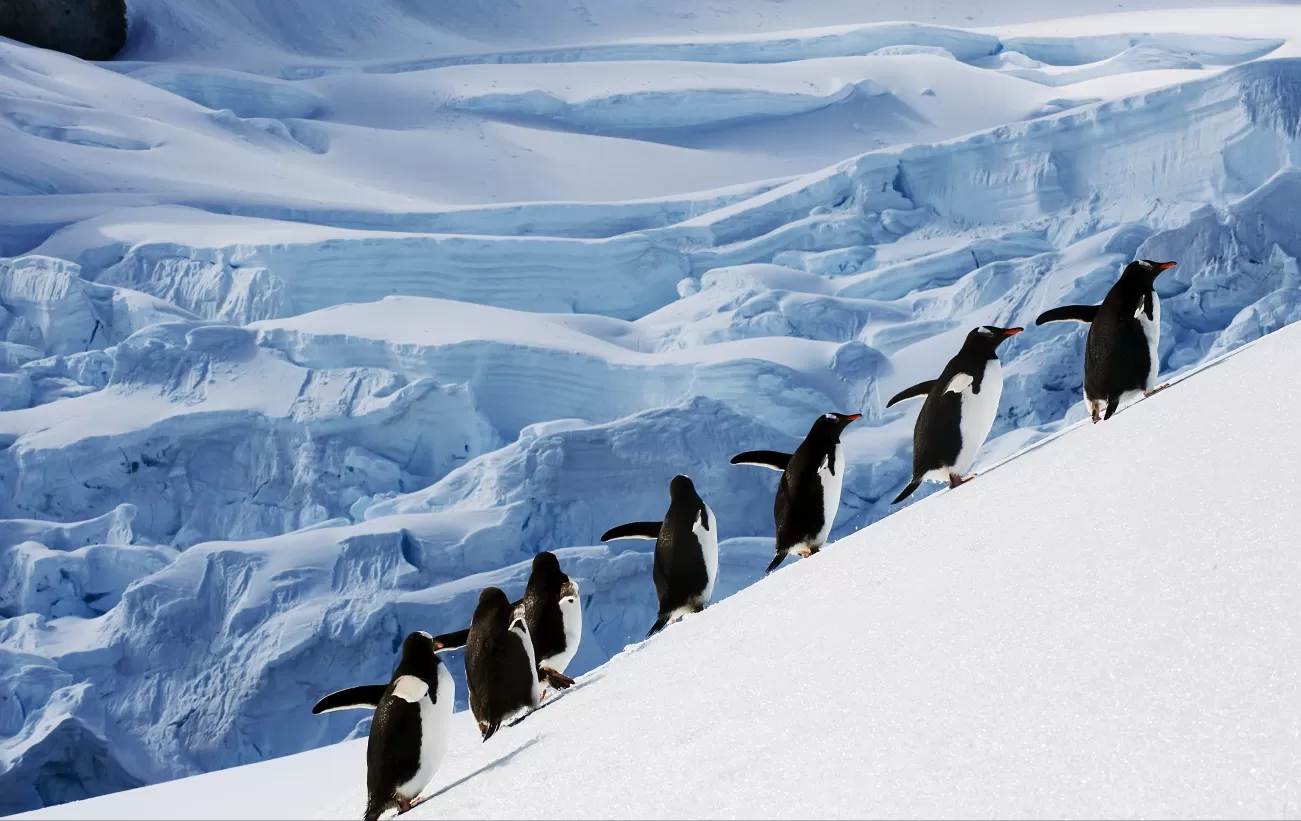
Wildlife encounters provided a lighter contrast, as the team navigated through "whale soup," a phenomenon where thousands of humpback whales congregate to feed on rich krill grounds. They also observed the daily lives of Adélie, Gentoo, and Chinstrap penguins, documenting the "penguin highways" these birds use to commute between their nests and the ocean. The journey reached its peak at Neko Harbour, the site of their official landing on the actual Antarctic continent. For many on the ship, including the expedition leaders, the draw of such a vast, uninhabitable wilderness is explained by the "polar bug"—a soul-level addiction to the continent's raw power. As the explorers concluded their mission, they noted that the experience of standing in a place so pure and indifferent to human presence leaves one with a profound sense of insignificance and a renewed commitment to conservation.