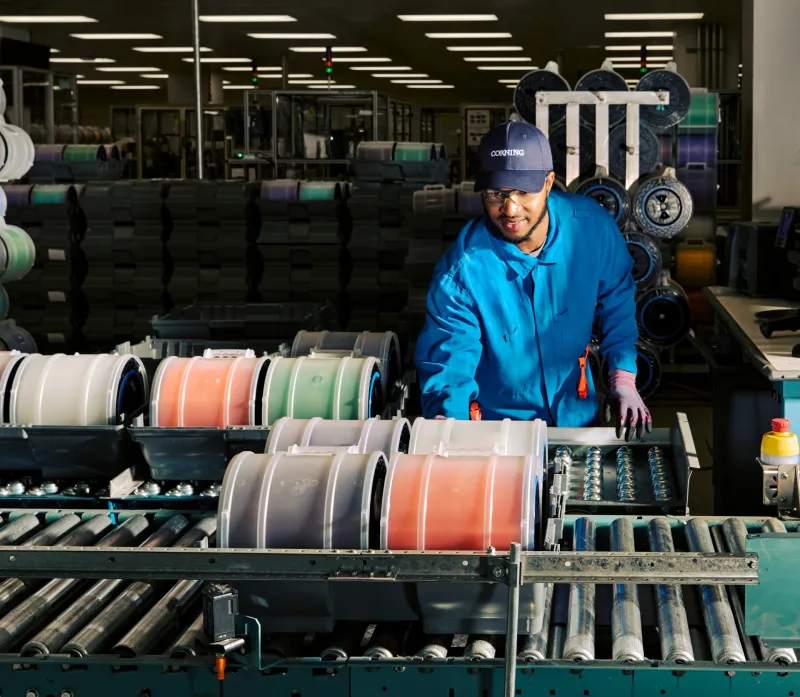
The landscape of artificial intelligence is rapidly moving beyond systems that simply chat or summarize text, entering an era where machines possess the autonomy to act within the physical world. IBM Technology highlights that while Large Language Models (LLMs) excel at generating language, they often operate in isolation, lacking the ability to process real-time sensor data or make independent decisions. To bridge this gap, the Agent Development Kit (ADK) provides the essential "hands and brain" for AI, enabling it to sense, think, and act. Unlike static models that cannot react to a jammed conveyor or an overheating sensor in a factory, agents built with an ADK can read live data to immediately pause production lines or alert technicians. This shift from reactive prompting to agent engineering marks a transition from simple conversation to a collaborative partnership where AI observes, decides, and acts based on specific goals.
Building these sophisticated agents involves a structured six-step development process, as demonstrated by the creation of a smart office agent. The first stage involves defining clear goals, such as managing temperature and lighting, followed by identifying inputs from motion sensors and external weather APIs to provide environmental context. The agent’s outputs are then mapped to specific actions, such as controlling HVAC systems or sending notifications through Slack. During assembly, Python serves as the central "brain" to establish operational rules, while an IoT hub acts as the "senses" by connecting devices to the cloud. REST APIs complete the system as the "limbs" that allow the agent to communicate with physical infrastructure.

Related article - Uphorial Shopify
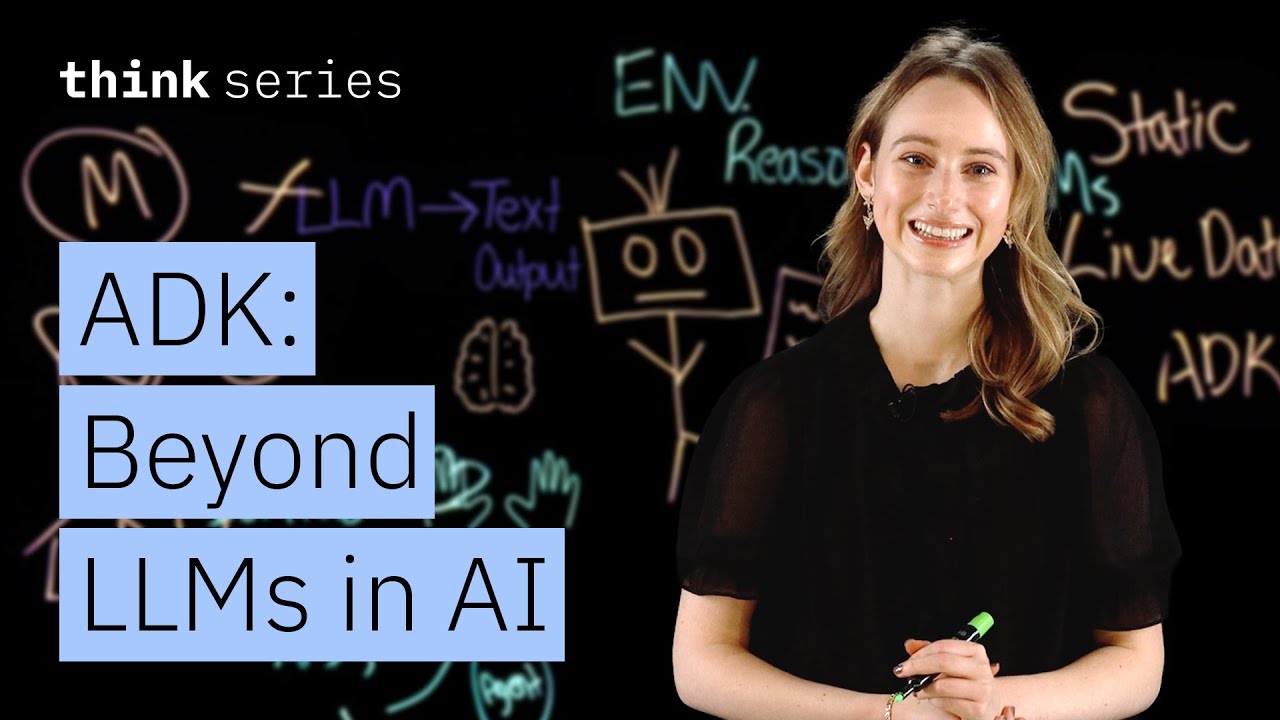
Rigorous testing is required to simulate scenarios like sudden temperature spikes before an agent is deployed, ensuring the logic can be fine-tuned for performance. Despite the technical complexity, IBM Technology emphasizes that every autonomous system must be anchored by three core principles: fairness, safety, and trust. Fairness ensures that the agent's logic remains objective and free from bias, while safety necessitates a backup plan—such as manual overrides or requiring human approval for critical tasks. Trust is built through transparency, requiring the agent to explain its decisions in plain language and maintain a record of every action taken.
This technology is already beginning to transform diverse sectors, moving from the futuristic into the present day. In smart cities, autonomous agents optimize traffic flow and manage energy grids, while in healthcare, they analyze data to identify early warning signs for medical teams. Agriculture benefits from agents that monitor soil data to automate irrigation, and the finance sector uses them to detect real-time fraud by flagging transaction anomalies. Ultimately, the next generation of AI is not merely about larger models but about smarter, connected systems designed for true autonomy. Users are encouraged to explore open-source ADKs and sensor integration to help build this growing ecosystem where AI and humans co-create value.