The landscape of modern software engineering is currently undergoing a structural metamorphosis driven by a single, undeniable necessity: the speed at which we build has finally outpaced the speed at which we can review. As global development teams struggle to reconcile the demand for rapid feature deployment with the immutable requirement for secure, performant, and maintainable code, a new paradigm has emerged. In a recent technical deep dive presented by Anna Gutowska of IBM Technology, the industry is offered a clear roadmap for integrating artificial intelligence into the code review process—a transformational framing that promises to replace historical bottlenecks with a continuous, automated feedback loop.
At its core, AI-assisted code review represents a shift from reactive to proactive development. The methodology leverages machine learning and Large Language Models (LLMs) to scan codebases not merely for syntax errors, but for subtle vulnerabilities, performance inefficiencies, and stylistic deviations that might otherwise escape the human eye during the high-pressure churn of a development cycle. By automating the routine aspects of auditing—those tasks that were once the sole province of exhausted senior developers—teams are finding they can significantly reduce the latency of pull requests, effectively smoothing out one of the most persistent friction points in the software delivery lifecycle.The benefits of this integration extend well beyond the technical. One of the most significant impacts is the democratization of professional coding standards. Human review is, by its nature, subjective; it varies based on the reviewer's mood, their familiarity with the specific module, or their personal coding biases. AI removes this volatility, applying a consistent, objective standard across the entire codebase. This consistency is particularly transformational for junior developers. Instead of waiting hours or even days for a senior colleague to provide feedback on a pull request, a junior developer receives immediate, contextual guidance directly within their environment. This turns every commit into a moment of pedagogical value, accelerating the development of better coding habits and fostering a culture of continuous learning.

Related article - Uphorial Shopify
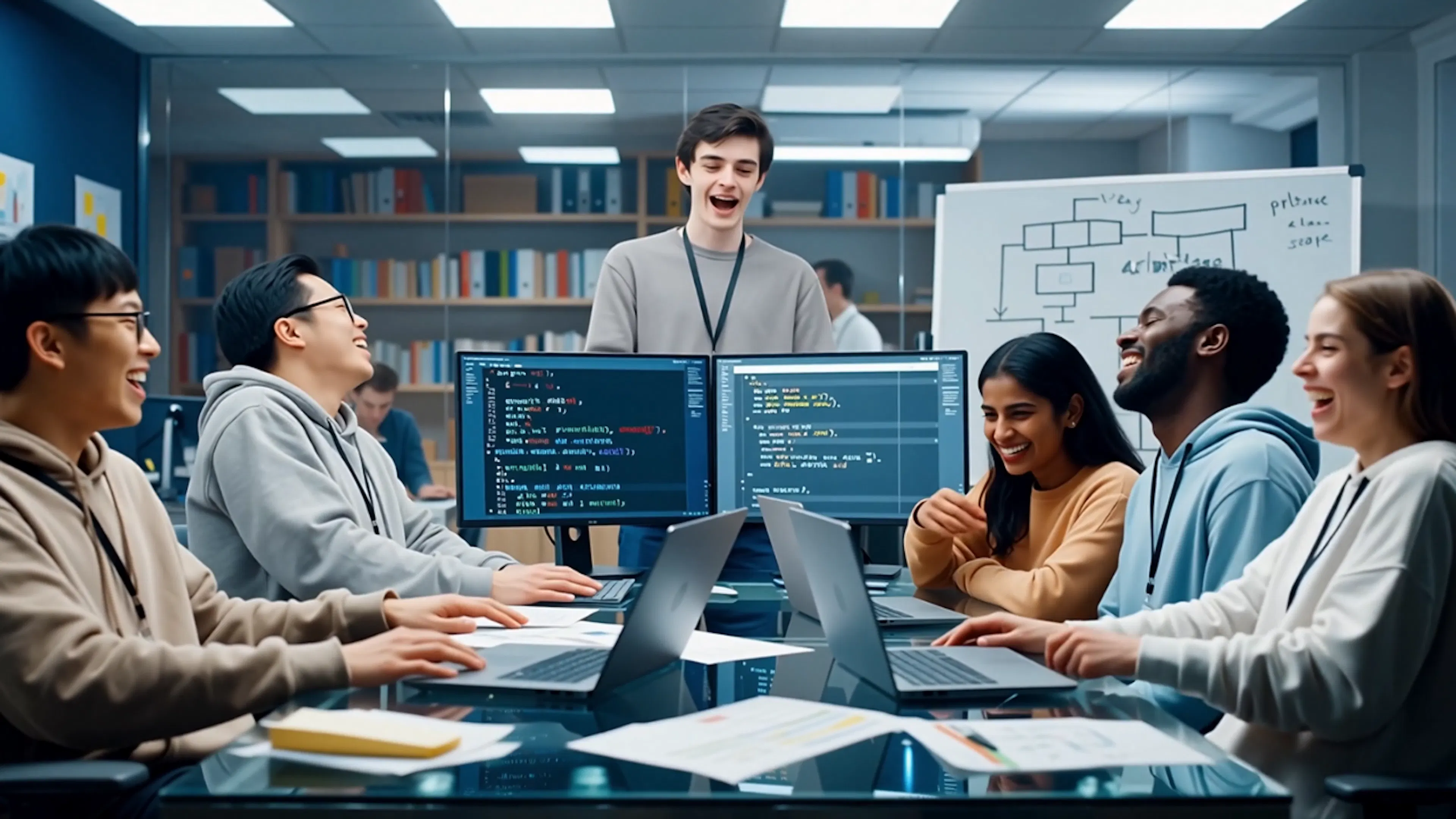
This is fundamentally a matter of strategic storytelling: we are shifting the narrative of "technical debt" from an inevitable tax on software development to a manageable, even avoidable, phenomenon. By catching defects at the earliest possible stage—often while the code is still sitting in the developer’s editor—teams reduce the astronomical costs associated with fixing vulnerabilities after a release. The technology powering this shift is a multi-layered stack. It combines traditional, highly reliable tools—such as static analysis for pre-runtime syntax checks and dynamic analysis for testing the software while it is executing—with rule-based linters that strictly enforce team-wide formatting. These are then synthesized by LLMs, which bring a new level of sophistication to the process. By drawing upon vast datasets of historical code, these models can actually interpret the intent behind the code, identifying not just that something is broken, but how it deviates from the intended design pattern.
However, the transition to AI-augmented development requires an intelligent approach to implementation. It is essential to recognize that these systems are not autonomous replacements for human judgment. They are tools, and like all tools, they operate within a framework of probabilities. False positives and false negatives remain a reality of the current technological state. To harness this power effectively, development teams must move beyond "out-of-the-box" configurations. Success depends on the ability to customize AI parameters to reflect the specific standards and architectural requirements of the team, as well as the seamless integration of these tools into the existing Integrated Development Environment (IDE) or Pull Request (PR) workflow.
The most critical component of this new workflow is the concept of the "human-in-the-loop." In this framework, the AI functions as a tireless, high-speed first line of defense, surfacing potential risks and suggesting improvements. Yet, the final judgment—the responsibility for the integrity of the code—must always remain with the human engineer. By positioning the AI as a collaborator rather than an arbiter, organizations can strike a balance that maximizes both efficiency and safety.This shift is more than just a technical update; it is a cultural and operational imperative for any organization aiming to thrive in the modern digital economy. By embracing AI code review, teams are moving away from the "siloed" review process that has slowed innovation for decades. Instead, they are moving toward a model where feedback is instantaneous, standards are universal, and the energy of the engineering team is redirected from the mechanical task of hunting for errors to the higher-level work of designing elegant, secure, and impactful software. As Gutowska notes, the future of development is not about choosing between speed and quality—it is about using the precision of machines to empower the creativity of the human mind.