The world is no stranger to the mysteries of ancient civilizations, yet every once in a while, a discovery emerges that disrupts our understanding of history and challenges the limits of our imagination. Recently, scientists opened a 4,000-year-old pyramid, and what they uncovered inside sent ripples through archaeological circles and beyond. This was not just a find—it was a window into a forgotten era, a tale etched in stone and shadow, demanding that we reconsider the narratives we’ve accepted for centuries.
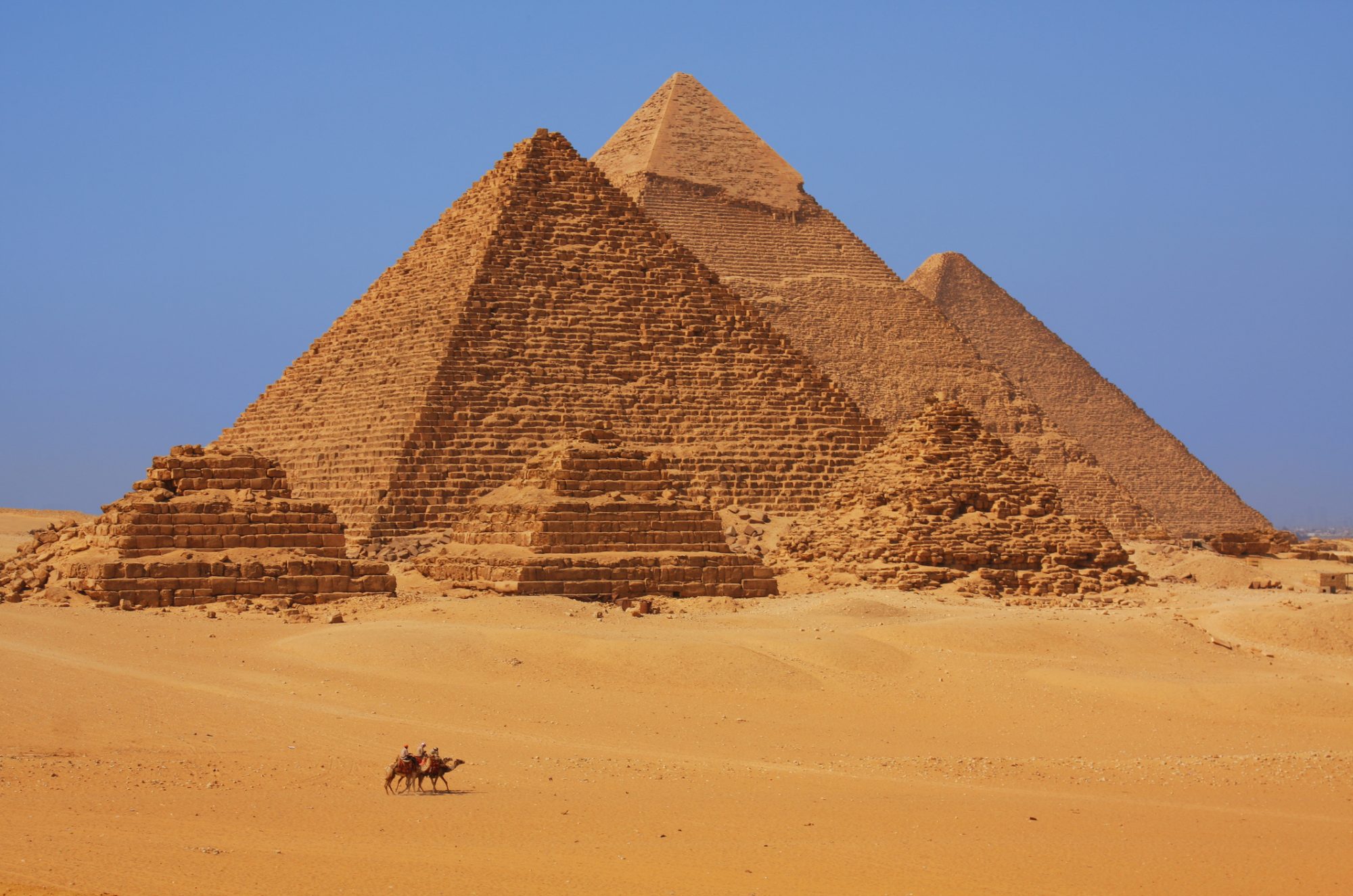
The pyramid itself stood stoic and silent, weathered by millennia of desert storms and the relentless passage of time. Its exterior, worn yet majestic, was a silent testament to the hands that built it—hands that worked with precise knowledge, skill, and a vision that stretched beyond their own lives. But it’s what lay within that truly captured the world’s imagination. When the last stone was carefully removed and the dust of centuries settled, the interior revealed artifacts, symbols, and architectural features that defied simple explanation.
Related article - Uphorial Sweatshirt

To understand the significance of this discovery, we must first understand the people behind it. This pyramid wasn’t merely a tomb or a monument to a ruler’s power. It was a sacred space designed with deep cosmological significance, meant to bridge the world of the living with that of the divine. The craftsmen and priests who conceived it were custodians of ancient wisdom, wielding knowledge of astronomy, mathematics, and spiritual symbolism. These were individuals who saw the world not as fragmented pieces but as a unified whole, where each stone and carving resonated with meaning.
What lies inside this pyramid challenges us to rethink its sophistication. The walls are adorned with intricate hieroglyphs that hint at philosophical ideas and myths previously unknown. Archaeologists have uncovered chambers aligned precisely with celestial bodies, suggesting an advanced understanding of astronomy that rivals, and in some respects surpasses, modern science. These chambers might have functioned as observatories or ritual spaces, where the cycles of the stars were not just recorded but worshipped as living forces influencing human destiny.
Among the most astonishing finds were artifacts that imply a network of trade and cultural exchange stretching far beyond the borders of this ancient kingdom. Exotic materials, not native to the region, point to a civilization deeply connected with others, sharing ideas, technology, and beliefs. This disrupts the old image of isolated cultures and invites us to see ancient civilizations as vibrant hubs of global interaction. But beyond the physical relics lies the human story—the stories of those who built, used, and revered this pyramid. Their lives, their aspirations, their fears, and their hopes are echoed in every symbol and every artifact. They remind us that history is not merely a record of events but a living narrative of human experience. The pyramid is a monument not only to rulers or gods but to the very essence of what it means to be human: the quest for meaning, the desire to understand the cosmos, and the longing to be remembered.
Today, as scientists carefully study these findings with modern technology—3D scanning, chemical analysis, and digital reconstruction—we stand at the intersection of past and present. Each new piece of data brings fresh insights but also new questions, fueling a cycle of discovery that will continue to captivate scholars and enthusiasts alike. The opening of this pyramid is more than an archaeological achievement; it is a powerful reminder that history is a living, breathing entity, waiting to reveal its secrets when we listen closely. In an era dominated by rapid technological change and fleeting digital moments, this ancient pyramid invites us to pause and reflect on the depth of human creativity and resilience. It challenges us to reconnect with the timeless stories embedded in our collective past and to honor the legacy of those who came before us. As we peer into the depths of this ancient structure, we are reminded that every stone, every carving, is a chapter in the ongoing story of humanity—one that continues to unfold, surprising and inspiring us in equal measure.