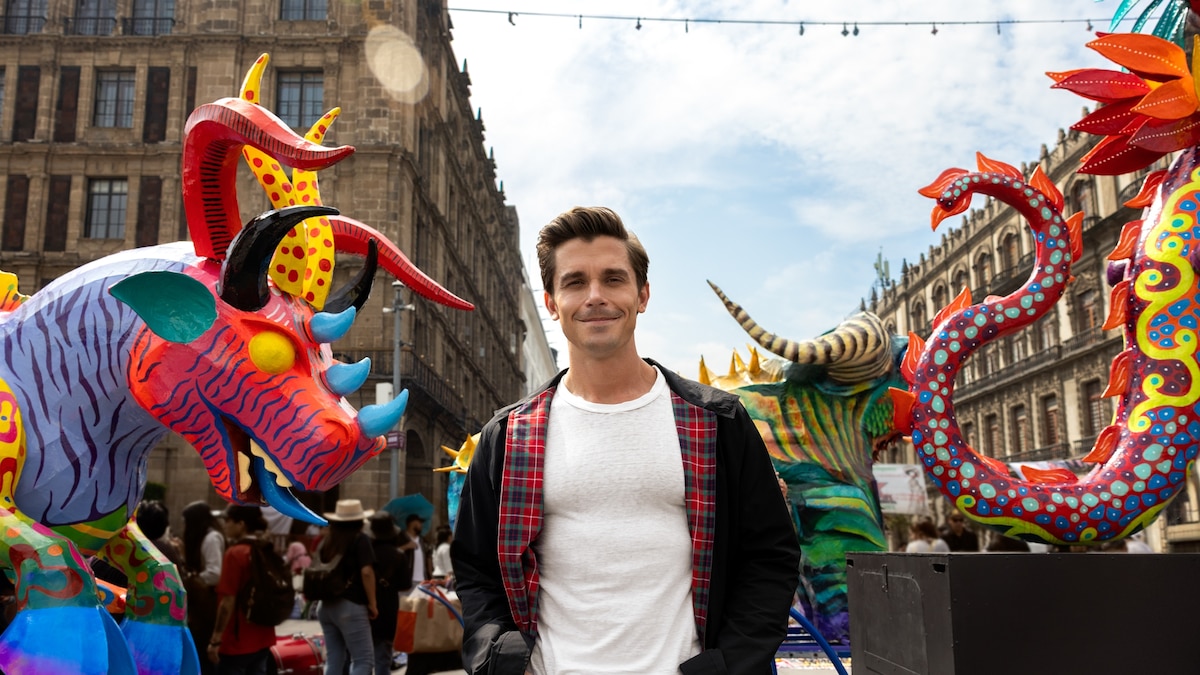
MEXICO CITY - In the bustling, high-altitude sprawl of Mexico City, where the ancient echoes of the Aztec empire collide with the relentless pace of modern urban life, Antoni Porowski has found a canvas for his latest venture in cultural exploration. The premiere episode of his National Geographic series, Best of the World, is not a traditional travelogue of checklist tourism; rather, it is a sensory-rich immersion into the "living and breathing" soul of the Mexican capital. Through a combination of culinary rigor and human-centric curiosity, Porowski navigates the labyrinthine streets and traditions of the city, presenting a narrative that reframes the traveler as a participant in a grand, ongoing cultural dialogue.
The strategic storytelling of the episode begins with the culinary foundation that defines Mexico City today. Porowski bypasses the superficial, opting instead to showcase the intellectual and artisanal labor behind the city's food scene. His visit to the renowned Rosetta Bakery is a study in precision and heritage, where he samples the iconic guava roll—a dish that, in his hands, becomes a bridge to understanding the city's broader gastronomic evolution. By entering the kitchen of chef Elena Reygadas, Porowski elevates the narrative, focusing on the preservation of heirloom corn and the vital role of traditional agriculture. This is intelligent curation at its finest: he does not simply eat; he interrogates the source, framing the ingredient as a symbol of cultural identity that is both ancient and fiercely modern.
Beyond the plate, the episode’s emotional precision is most apparent when Porowski steps into the chaotic, electric atmosphere of the "Cathedral of Lucha Libre." Here, he moves beyond the spectacle of masked wrestlers to capture the communal catharsis that defines this quintessential Mexican pastime. It is a moment of deep cultural understanding, where he recognizes the ring not just as a stage for athleticism, but as a space where society’s tensions are played out and transformed. This fluidity—the ability to oscillate between the refined artistry of a world-class kitchen and the raw, performative energy of the Lucha Libre ring—is the hallmark of the series. Porowski’s philosophy, which he shares with viewers, is that while preparation is useful, the true essence of travel is found in the willingness to get lost, to abandon the itinerary in favor of the unplanned human encounter.
Related article - Uphorial Shopify
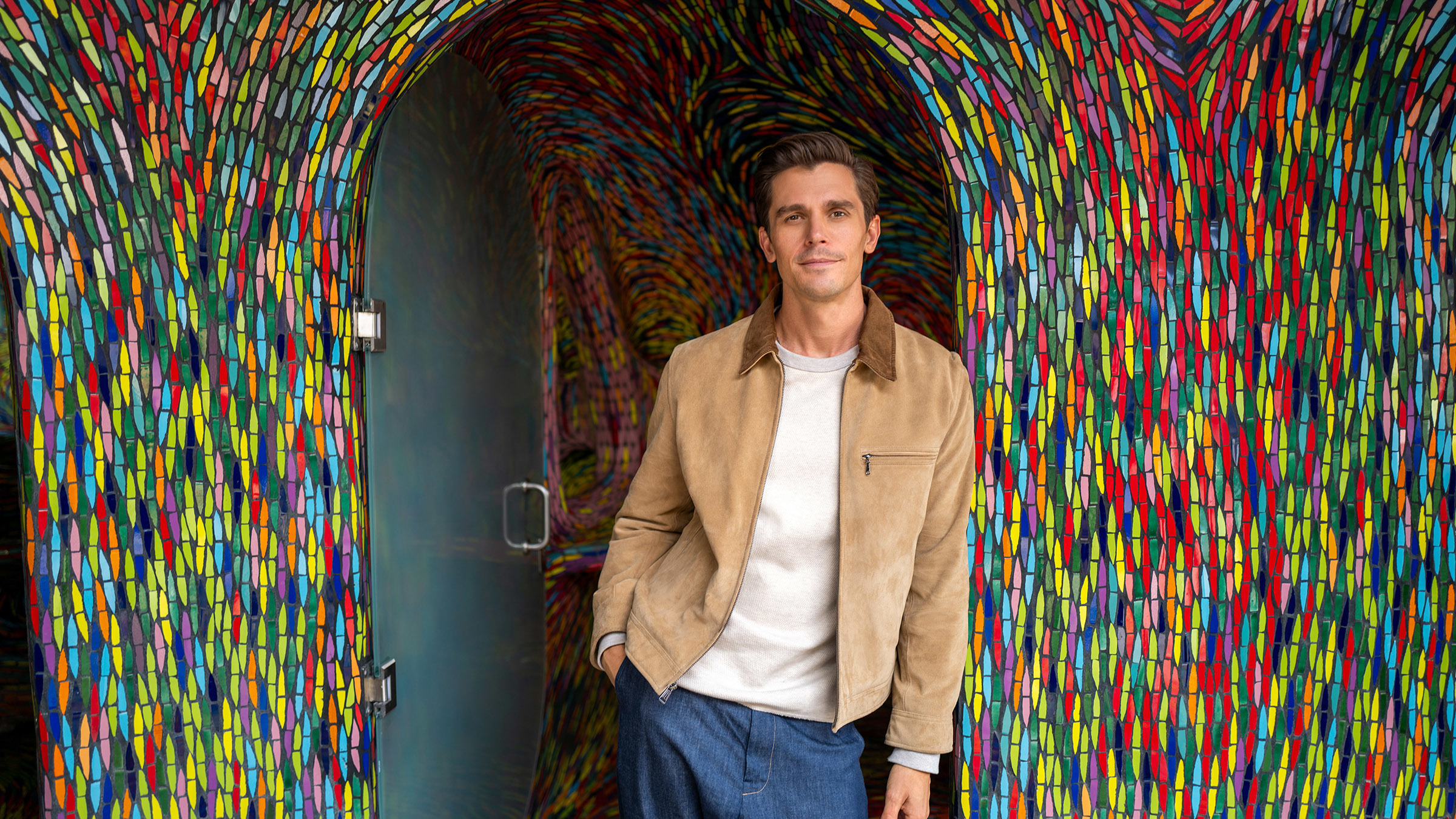
The visual storytelling of the episode serves as a powerful testament to the city’s architectural diversity. Porowski’s journey through the "Snake House" is a masterful example of architectural critique as narrative device, highlighting the bold, avant-garde design language currently emerging from Mexican creators. This is balanced by the haunting, ethereal beauty of the Isla de las Muñecas and the historic resonance of the canals in Xochimilco. By threading these disparate sites together, the series offers a transformational framing of Mexico City, moving it away from colonial tropes or simplistic tourist narratives. It is a city of layers, where a vibrant, folk-art-inspired Alebrije Parade can exist in harmony with the solemn history displayed within the walls of Chapultepec Castle.The emotional core of the episode lies in Porowski’s genuine connection to the people who act as the custodians of these traditions. He treats each encounter not as an interview, but as an exchange. Whether he is gliding through the ancient Aztec canals or participating in the communal festivities of the city’s street life, he emphasizes that the "best of the world" is not a set of locations, but a collection of human stories. His presence serves to humanize the scale of a megalopolis that often intimidates the uninitiated, proving that even a city as massive and complex as Mexico City can be understood when one prioritizes connection over consumption.

As the series expands to include global hubs like Paris, London, and New York, the Mexico City episode sets a standard for what a modern travel documentary can achieve. It is an act of respectful observation, balancing a sophisticated aesthetic with a heart that beats in rhythm with the city. Porowski does not seek to "conquer" the destination; he seeks to be changed by it. This humility, combined with an acute attention to detail, allows him to capture the authentic, messy, and magnificent reality of a place that is constantly reinventing itself.
Ultimately, the episode leaves the viewer with the impression that Mexico City is not a place you visit, but a phenomenon you experience. By focusing on the intersection of ancient customs and contemporary innovation, the show makes a compelling case for the city's place at the center of the global cultural map. For those watching, the takeaway is clear: the world’s most significant stories are hidden in plain sight, waiting for the curious to step off the beaten path and engage with the humanity that sustains them. Through Porowski’s lens, Mexico City becomes more than a destination; it becomes a catalyst for a broader, deeper conversation about how we live, eat, and remember our history in the twenty-first century.