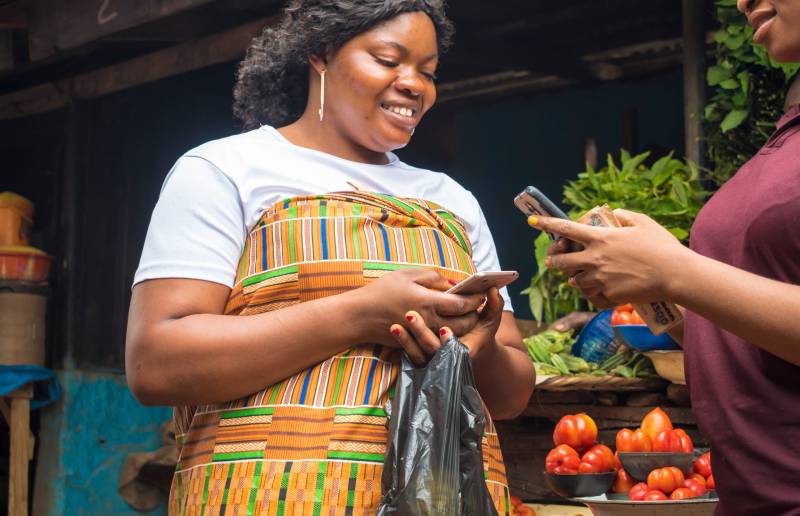
He stood on the dusty roadside of Ikeja with a Bible in one hand and a POS machine in the other. “Touch not my anointed,” he declared, as a woman dropped a crisp ₦1,000 note into a red plastic offering basket. Behind him, banners flapped in the wind, advertising a crusade titled “Your Miracle Awaits: Sow a Seed of ₦50,000 to Break Generational Curses.”
It’s 2025 in Nigeria. The streets are wired with electricity, yet somehow, minds remain in the dark.
Religion is the opium of the people, Marx once said. But in Nigeria, it’s no longer just opium. It’s a full-blown enterprise. A trillion-naira industry—untaxed, unregulated, and disturbingly unchecked. Yet, for every controversial sermon, there's a devoted congregation. So we ask: are Nigeria’s religious leaders scamming their followers, or is something far deeper at play?
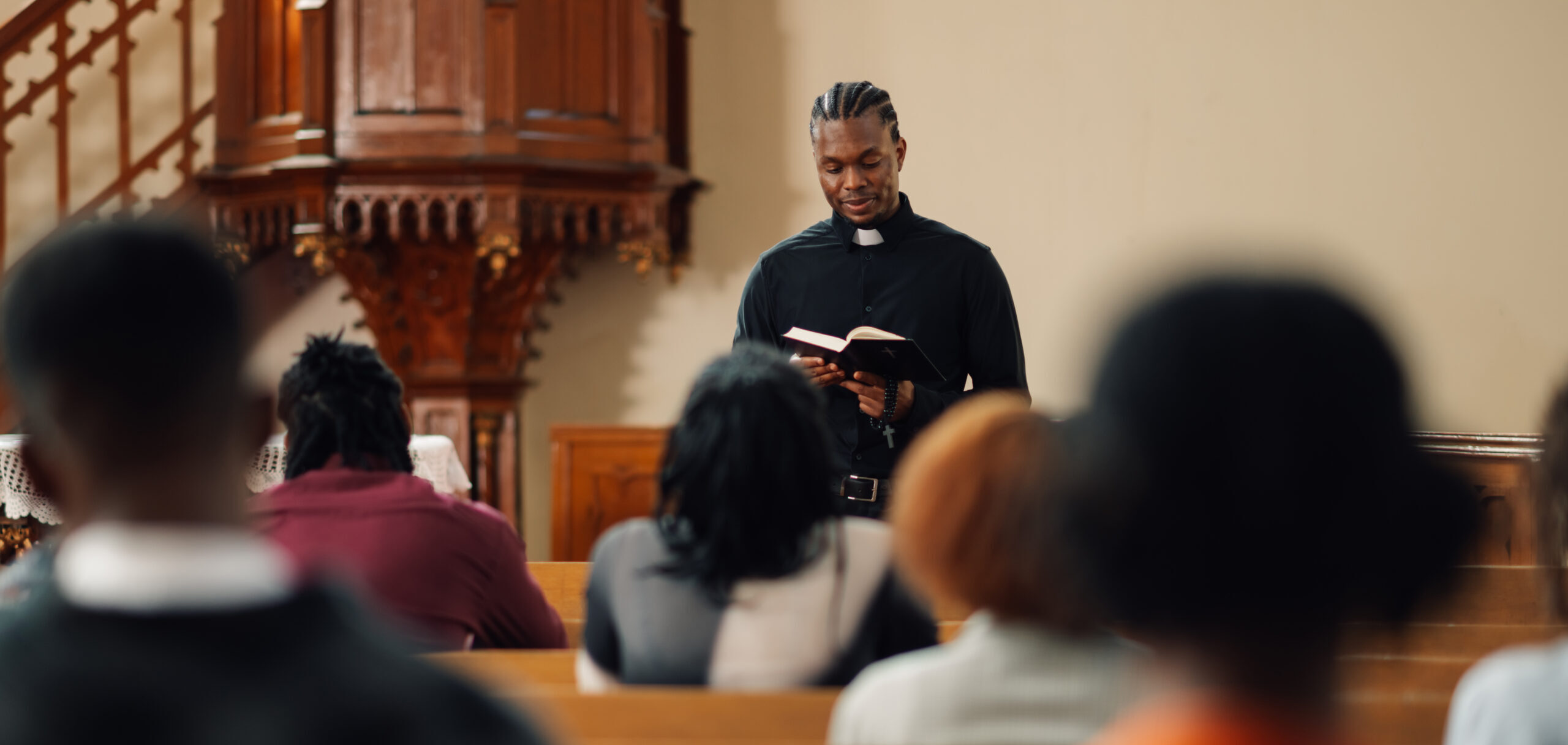
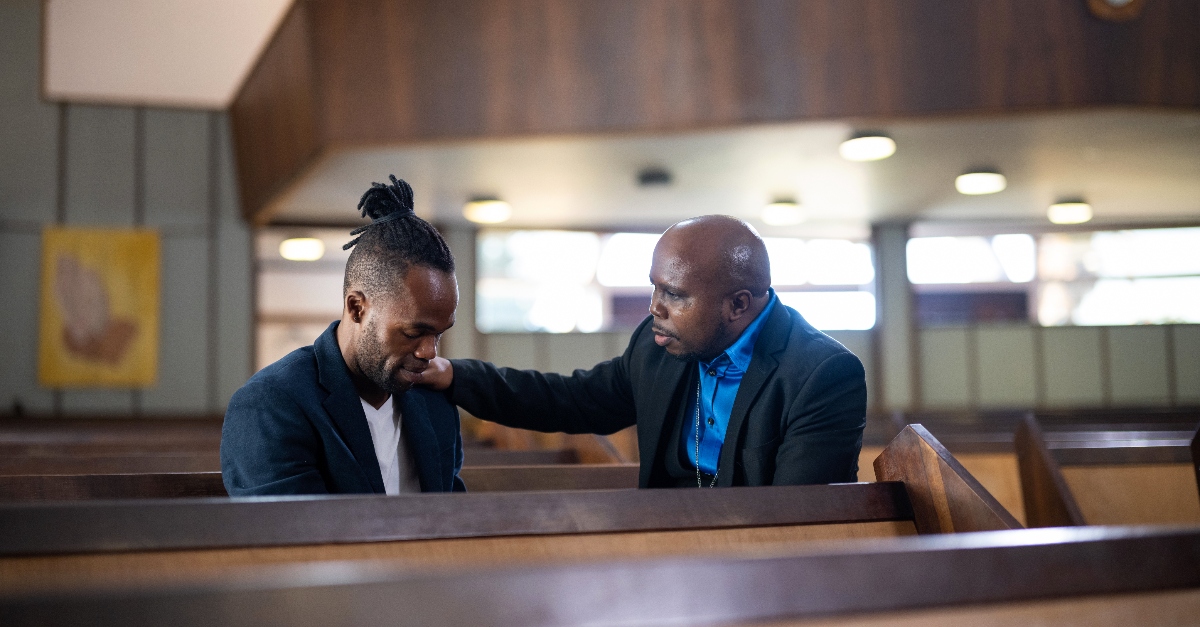
The story starts with power—not spiritual power, but social power. In many Nigerian communities, pastors have become more influential than politicians. They control not just the pulpits but also the people. A single prophecy from a popular pastor can sway a local election, empty a woman’s savings account, or make a man walk away from urgent medical care in pursuit of a “faith healing.”
Related article - Uphorial Podcast
DW The 77 Percent
Take the story of Prophet Isaiah (name changed). He began his ministry in a tiny village church with ten plastic chairs and a second-hand keyboard. But within five years, he was cruising around Lagos in a convoy, his sermons going viral on TikTok, his words hailed as divine utterance. The irony? Many of his followers can’t afford the fuel to attend his church anymore, but they believe their seed sowing will unlock blessings beyond imagination.
That’s the bait.
It’s easy to write off these men as frauds—and many of them are. But what’s harder to admit is that these “scam pastors” aren’t always preaching lies. They’re offering hope. A cruel kind, yes. One that promises the barren woman a child if she sows ₦200,000. One that tells a jobless graduate his fortune lies in cleaning the church toilets for six months. One that says your faith—or your fear—is the currency of your deliverance.
But who’s to blame?
The people? Or the system?
In our recent street debate in Lagos, we asked Nigerian youths a simple question: Should there be tighter regulation on religious organizations to protect vulnerable believers?
The answers were split down the middle. One group cried “Yes!”—citing stories of church members dying after being discouraged from taking medication. Another group warned that regulating churches is like touching a live wire. “These men of God have more followers than political parties,” one respondent said. “If the government tries it, there will be riots.”
The problem is not just faith. It’s desperation.
In a country with staggering unemployment, erratic governance, and crumbling institutions, the average Nigerian clings to religion because it’s the only structure that hasn’t completely failed them. Pastors have become therapists, landlords, financial advisors, and even matchmakers. The government is absent; the church is present.
But presence doesn’t always mean protection.
Regulation might seem like the solution, but how do you police miracles? Do you tax the Holy Spirit? Do you ask a pastor to show his financial records when his entire gospel is built on mystery?
And yet, something has to give.
Because as long as vulnerable people are told to empty their wallets in exchange for divine favor, the line between faith and fraud will continue to blur. As long as we worship wealth, confuse charisma for anointing, and elevate pastors to untouchable status, this cycle will go on.
Maybe the answer isn’t more regulation, but more education. A call for Nigerians to question, to challenge, and to seek God beyond the theatrics of modern-day Christianity. Maybe it’s time to strip the altar of its glitter and return to its purpose.
Not as a marketplace.
Not as a stage.
But as a place of truth.