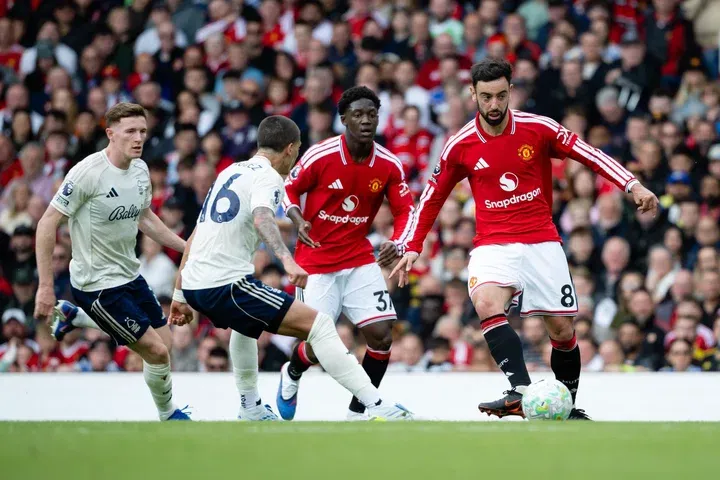
VILLA PARK – The floodlights of Villa Park did not merely illuminate the pristine emerald turf; they bore witness to the roaring, emotional crescendo of a generational transformation. On a night thick with historical gravity, Aston Villa’s definitive 4-2 triumph over Liverpool was far more than an exhibition of elite domestic football. It was a sporting manifesto, a masterclass in strategic storytelling, and an unfiltered showcase of a club rewriting its modern destiny in real time. For the Birmingham faithful packed into the iconic stands, the ninety minutes served as a theatre of pure catharsis, a transformational framing of an institution that has shed its skin of past mediocrity to plant its flag firmly among the absolute elite of European football, securing a coveted spot in next season's UEFA Champions League.
To understand the emotional precision vibrating through the stadium at kickoff is to understand the cultural weight of Villa Park’s long journey back to the continent's high table. This was a direct, high-stakes battle against a modern titan of European heritage, a Liverpool side traveling to B6 with its own formidable legacy. Yet, from the opening whistle, the atmosphere was defined by a calculated, fearless ambition. Villa did not wait to settle into the evening; they immediately orchestrated a moment of intelligent curation from their training ground repertoire. Just minutes into the match, a brilliantly rehearsed corner routine engineered by captain John McGinn and the mercurial Morgan Rogers caught the Liverpool backline entirely stagnant. The fluid coordination culminated in a clinical opening goal by Rogers, a strike that sent a sonic boom through the Holte End and instantly signaled that the home side had no intention of letting their European dreams slide to the final day of the season.
However, elite football rarely tolerates a one-sided narrative, and the cultural understanding of Liverpool’s DNA dictates that the Merseyside club never succumbs without a fierce counter-offensive. Striking back with the clinical resilience that has long defined their identity, the visitors gradually wrestled back control of the tempo. The equalizer arrived with an inevitable, crushing physics early in the second half when a beautifully lofted delivery found the towering figure of Virgil van Dijk. Rising above the shifting defensive lines, the Liverpool captain met the ball with a trademark, powerful header that left the home support momentarily breathless. As the ball rippled the back of the net to level the score at 1-1, a tense, familiar anxiety threatened to creep into the historic stands, testing the collective nerve of an entire community.
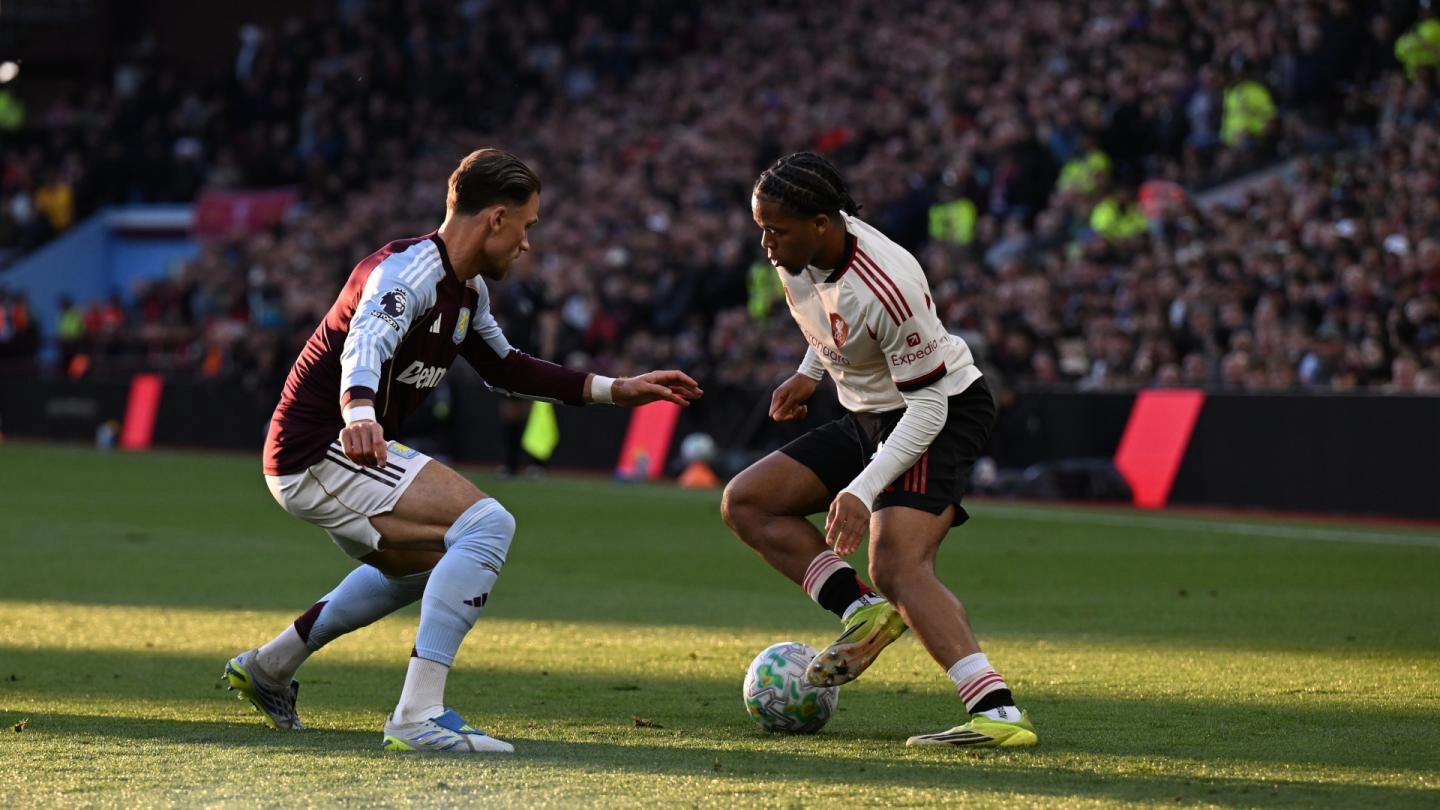
Related article - Uphorial Shopify

It was within this crucible of pressure that the strategic storytelling of Unai Emery’s tactical machine came to life. Rather than panicking under the weight of the equalizer, Aston Villa weaponized the sudden chaos of the match. The defining turning point arrived through a cruel twist of individual misfortune for the visitors. As Liverpool attempted to build from the back, a sudden, agonizing slip by midfield engine Dominik Szoboszlai completely fractured their structure. Sensing the vulnerability instantly, Rogers pounced on the loose ball, demonstrating elite spatial awareness to slide a precise pass into the path of Ollie Watkins. The prolific striker, moving with the predatory instincts of a man at the peak of his powers, did not hesitate, drilling a low, un-saveable effort home to restore Villa's lead at 2-1 and re-ignite the stadium's belief. With the momentum firmly back in their grasp, the home side began to play with a suffocating, joyous arrogance. The transformational framing of Villa's attacking line became fully realized as they repeatedly tore through the spaces left by a desperate Liverpool defense. The pressure told once more in the seventy-third minute when a relentless sequence of local pressure culminated in Watkins popping up in the right place inside the six-yard box. Showing incredible balance and reactive speed, Watkins prodded home his second goal of the match, extending the lead to 3-1. The two-goal cushion was a testament to his individual brilliance and the overarching team philosophy that refuses to take a backward step, even when standing on the precipice of historic achievement.

The true poetic climax of the evening, however, was reserved for the man who embodies the heart and soul of the modern Aston Villa renaissance. As the clock ticked toward the final minutes of normal time, the ball broke to the edge of the penalty area. There stood captain John McGinn, a player who has lived through the club’s darkest periods of restructuring and survival. With the weight of an entire city’s expectations on his shoulders, McGinn executed a breathtaking, curling strike that bent gracefully beyond the desperate reach of the goalkeeper and tucked into the far corner. Making the score a commanding 4-1, the goal was an absolute masterpiece of execution, effectively sealing the match and triggering a wild, emotional celebration on the touchlines. It was a moment of pure, unadulterated ecstasy, the definitive punctuation mark on a historic Champions League qualification campaign.
A late consolation goal deep in stoppage time, once again credited to the aerial persistence of Virgil van Dijk to bring the final scoreline to 4-2, did absolutely nothing to dampen the buoyant, triumphant mood inside the arena. The final whistle was met not just with cheers, but with tears of relief and vindication. Aston Villa had handled the immense tactical and emotional demands of the occasion, proving that they are no longer just participants in the domestic narrative, but creators of their own international destiny. As the players embraced on the turf beneath a canopy of flashing cameras and cascading scarves, the report from Villa Park was clear to the entire football world: the sleeping giant of the Midlands has fully awakened, and its next chapter will be written under the bright, glamorous lights of Europe's ultimate stage.