HOLLYWOOD – The landscape of London’s independent cinema in 2026 continues to be defined by its unflinching gaze at the city's most pressing social failures, a trend epitomized by the recent release of the short film Bathsheba. Written and directed by Myah Asha Jeffers, the film has quickly garnered critical acclaim for its claustrophobic and deeply moving portrayal of the London housing crisis. Far from a dry political polemic, Bathsheba—often referred to by the protagonist's nickname, "Bash"—functions as a dual-layered narrative. It is at once a haunting "love letter to grief" and a sharp, visceral critique of the predatory nature of property guardianship, a sector of the housing market that has become a symbol of modern urban precariousness.
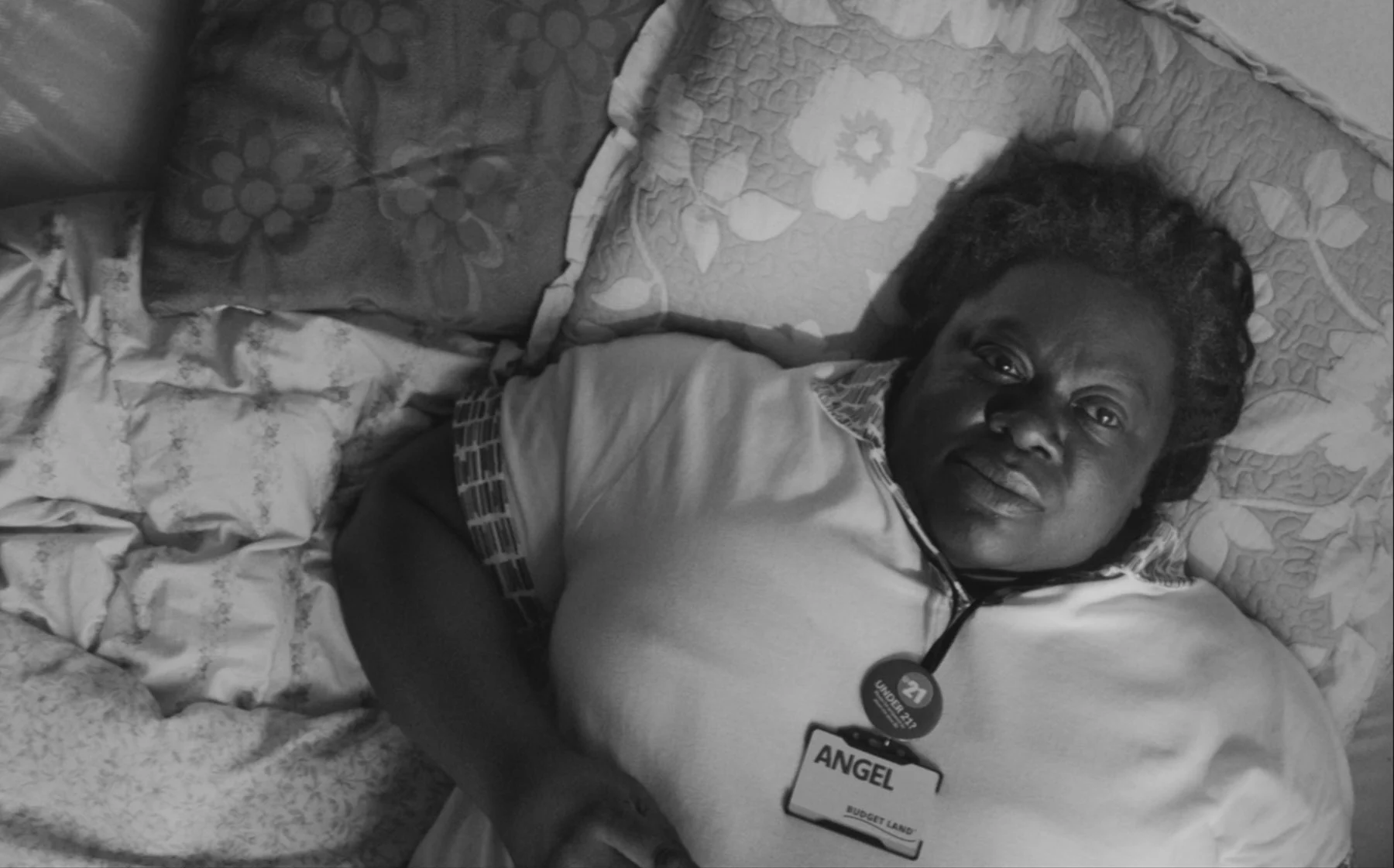
The film’s emotional hook is established with startling intimacy in its opening moments. Before a single frame of the protagonist’s deteriorating living quarters is shown, the audience is submerged in the auditory memory of an emotional voicemail recording. This narrative device immediately centers the film on the themes of loss and the persistent echo of those who are no longer present. By starting with the internal world of the character, Jeffers ensures that the audience views the subsequent systemic failures through a lens of profound human vulnerability. The grief that Bash carries is not just a personal burden; it becomes the silent companion that follows her through the hollowed-out spaces of the city.
At the heart of the story is the grim reality of the London housing crisis, specifically the controversial practice of property guardianship. Bash is depicted navigating an environment that is not merely difficult, but openly hostile. The "guardianship" model—intended to provide low-cost housing in exchange for the protection of vacant commercial or industrial properties—is stripped of its marketing veneer to reveal the instability underneath. The crumbling surroundings of Bash’s residence serve as a physical manifestation of her precarious social standing. The film meticulously documents the indignity of living in spaces that were never intended for human habitation, where the lack of basic amenities and security creates a state of perpetual anxiety for the tenant.
Related article - Uphorial Shopify

The narrative tension reaches its peak through the introduction of a property manager whose presence embodies the systemic power imbalance inherent in the guardianship system. In a series of escalating confrontations, the manager imposes his authority in a manner that is both abusive and overtly threatening. These scenes provide a chilling look at the lack of legal protections for those in such living arrangements, where the threat of immediate eviction is used as a tool of psychological control. By highlighting this specific dynamic, Jeffers critiques the way corporate entities often treat residents as mere placeholders rather than human beings with a right to safety and stability. The conflict serves as a microcosm of a wider urban struggle where the marginalized are frequently at the mercy of those who view property value as superior to human life.
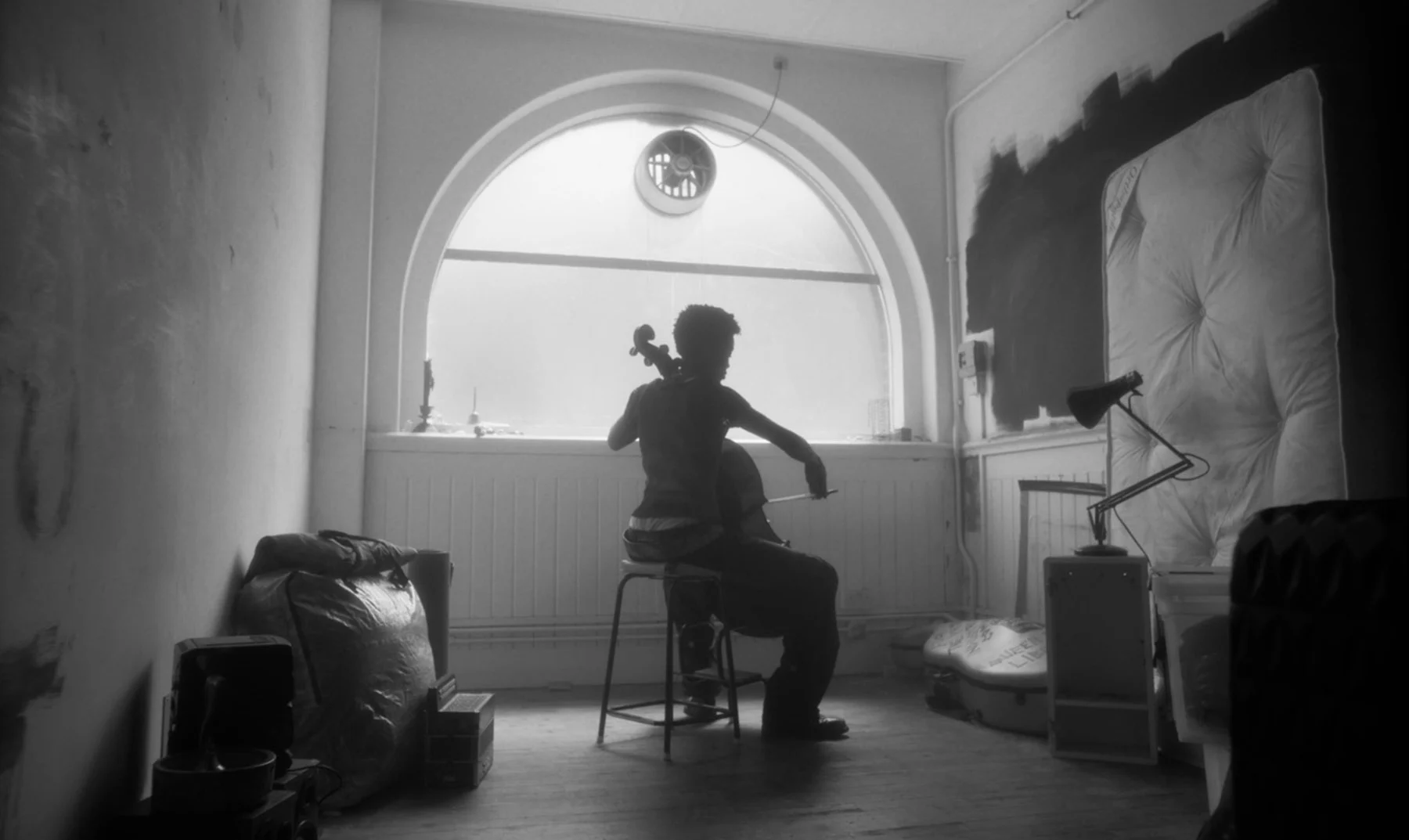
In the midst of this systemic decay and personal harassment, the film finds its soul in the power of artistic expression. Bash seeks solace and a sense of reclaimed humanity through her music, specifically her cello. The deep, resonant tones of the instrument provide a stark contrast to the harsh, industrial sounds of her environment. The cello acts as a sanctuary, a portable space of beauty that the property manager and the housing crisis cannot fully colonize. These sequences suggest that while the state may fail to provide a physical home, the act of creation offers a spiritual one. The music is not just a hobby for Bash; it is a desperate act of survival and a means of maintaining her identity in a world that consistently tries to reduce her to a statistic.
Ultimately, Bathsheba is a film that refuses to offer easy resolutions. It does not look away from the crumbling ceilings or the predatory nature of the housing market, nor does it sanitize the messy, non-linear experience of mourning a loved one. By weaving these two disparate threads together—the cold, structural failures of the city and the warm, internal ache of grief—Myah Asha Jeffers has created a work that resonates deeply with the contemporary London experience. The film concludes as a poignant reminder that the housing crisis is not just an economic issue; it is a profound failure of empathy that leaves the city’s most vulnerable residents to find their own harmony in the ruins of a broken system. As 2026 progresses, Bathsheba stands as a definitive cinematic document of the cost of living in a city that has forgotten how to house its own.