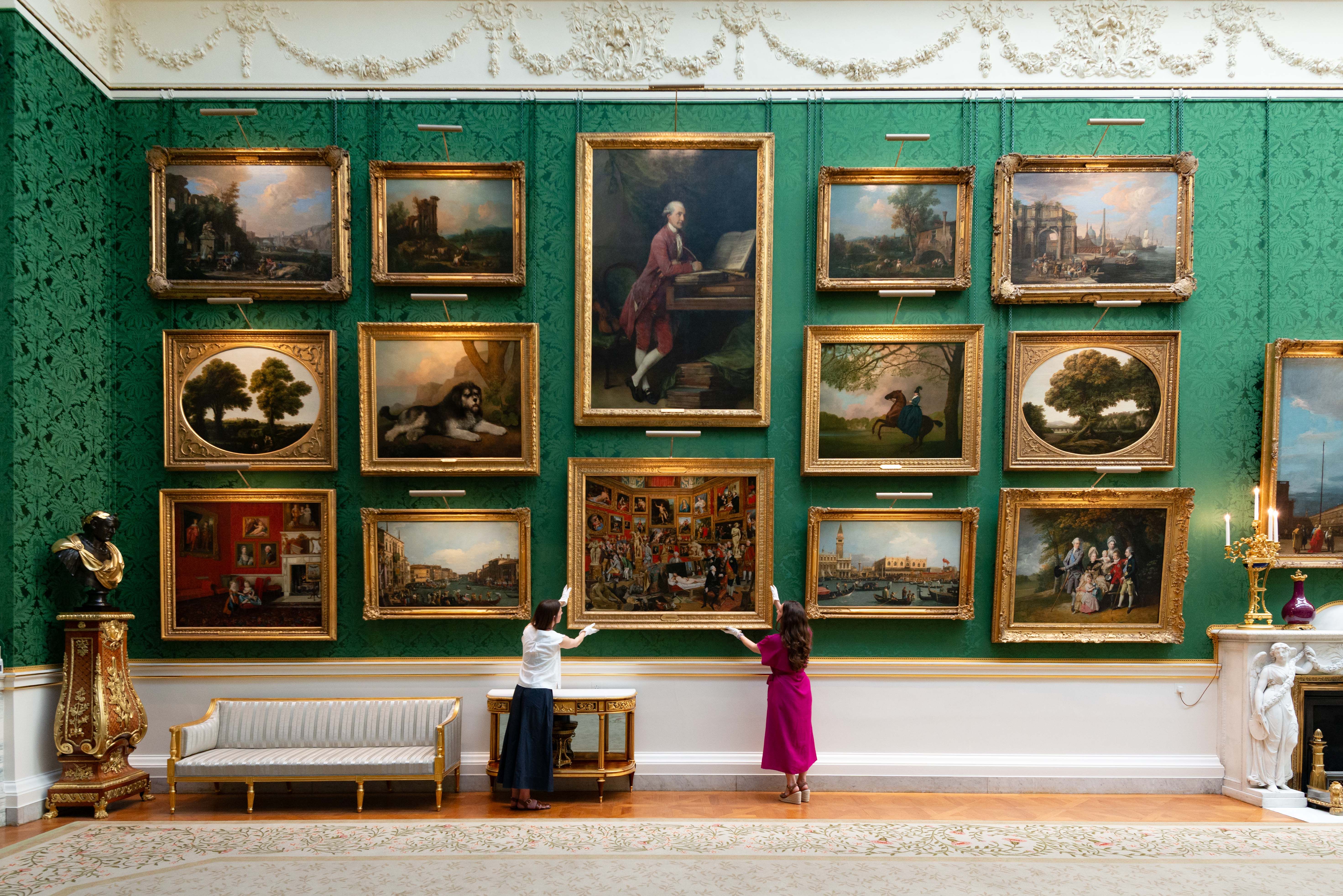
The glittering corridors of Buckingham Palace have long whispered secrets of statecraft, dynastic endurance, and imperial majesty, yet behind the heavy velvet drapes and polished mahogany doors lies a vibrant, living archive of human creativity that transcends the ephemeral nature of political power. Within the heart of the British monarchy's most famous residence, a monumental, meticulous curatorial transformation has quietly unfolded, breathing fresh life into one of the world’s most magnificent repositories of fine art. A newly released documentary film provides an intimate, behind-the-scenes look at the ambitious rehang of the legendary Picture Gallery at Buckingham Palace—a sweeping project that has dramatically expanded public access by doubling the number of exhibited masterpieces from sixty to an astonishing one hundred and twenty paintings, creating a breathtaking visual symphony of light, color, and history.
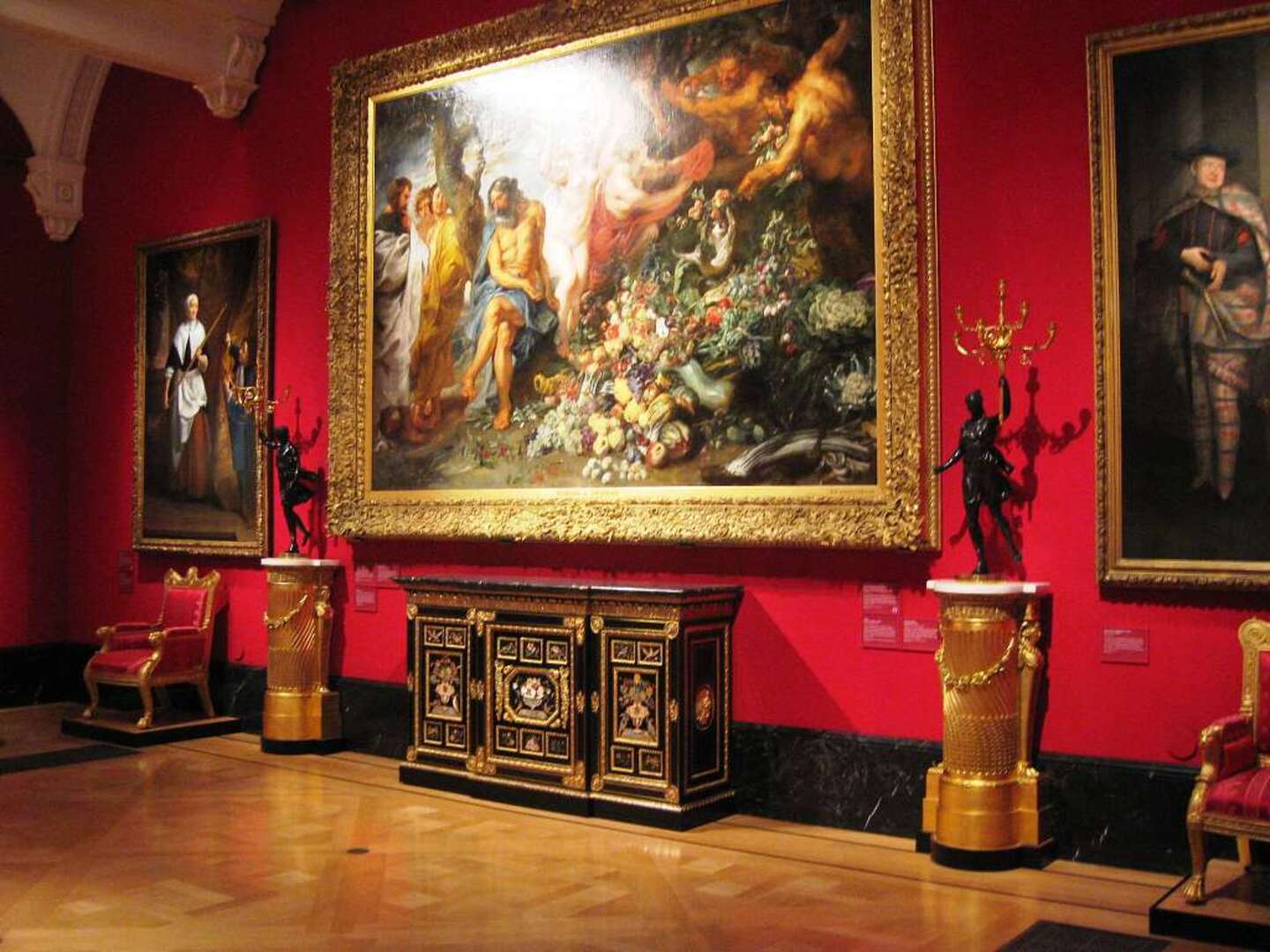
To truly understand the emotional and cultural weight of this redisplay, one must trace the architectural and aesthetic evolution of the gallery itself, a space born out of royal ambition and shaped by the shifting tastes of successive sovereigns. Originally envisioned by the extravagant George IV as a grand salon to house his rapidly expanding collection of Old Master paintings, the gallery was ultimately brought to physical fruition during the reign of Queen Victoria. Over the turbulent decades that followed, the room underwent continuous metamorphosis, reflecting the changing moods of the empire. Its interior walls have played host to a vibrant palette of aesthetic experimentation, shifting from the delicate lilac hues favored under Queen Victoria to the deep, regal reds of the Edwardian era under Edward VII, and now culminating in a striking, sumptuous emerald green that accentuates the golden frames and deep oil pigments of the canvases with stunning visual harmony. Alongside these chromatic updates, the display density has evolved, moving from the dense, floor-to-ceiling Victorian "salon style" crowding to the spacious, curated breathing room of modern museology.
At the center of this newly expanded exhibition is an intelligent curation of world-class masterpieces that reads like a definitive encyclopedia of Western art history, reuniting works that have spent generations separated by administrative changes or shifting palace layouts. Among the crown jewels of the rehang is Johan Zoffany’s mesmerizing Tribuna of the Uffizi, a deeply complex, highly intricate commission originally created for Queen Charlotte. The painting serves as a visual portal into eighteenth-century collecting culture, meticulously capturing a room brimming with classical sculptures and Renaissance paintings, while featuring a cheeky, clandestine self-portrait of the artist himself peering out at the viewer—a delightful reminder of the human personality embedded within royal patronage.
Related article - Uphorial Shopify

The curatorial brilliance continues with the triumphant reunification of significant pieces by the Dutch master Rembrandt van Rijn. For the first time in modern memory, visitors can stand before the psychological depth of The Shipbuilder and his Wife, a breathtaking study of domestic partnership and maritime enterprise, placed in evocative dialogue with the deeply narrative-driven canvas Christ and St Mary Magdalen at the Tomb. The spatial proximity of these two works allows viewers to witness Rembrandt’s peerless mastery of light and shadow, where divine revelation and earthly intimacy are rendered with heartbreaking emotional precision.
Moving deeper into the gallery, the installation creates powerful artistic conversations across centuries and nationalities, most notably through a dramatic pairing of works by Caravaggio and Anthony van Dyck. By placing Caravaggio’s intense, tenebristic Christ calling Peter and Andrew alongside Van Dyck’s luminous Christ Healing the Paralysed Man, the curators have constructed a masterclass in the evolution of light, composition, and spiritual drama. The stark contrast between Caravaggio’s brooding, dramatic illumination and Van Dyck’s fluid, aristocratic grace illustrates the profound ways in which European masters influenced one another across generations, creating an immersive visual dialogue that transfixes the eye.
Among the rare treasures proudly elevated in the new display is Johannes Vermeer’s Lady at the Virginals with a Gentleman, a delicate domestic interior that represents one of only approximately thirty-five surviving works by the elusive Dutch master. Known for its exquisite, subtle handling of natural light filtering through a leaded window and its enigmatic, intriguing mirror reflections that subtly alter the geometry of the room, the painting commands quiet reverence, offering a masterclass in stillness and spatial mystery that stops visitors in their tracks.
Further enriching this historical tapestry is the emotional reunion of portraits by Peter Paul Rubens and Anthony van Dyck, canvases that once hung proudly alongside one another at Whitehall Palace during the reign of Charles II. Separated by the vicissitudes of history, fire, and shifting royal residences, their placement side by side once again restores the original curatorial vision of the seventeenth-century Stuart court, allowing contemporary audiences to bear witness to the artistic kinship of two titans of Flemish painting whose partnership defined an artistic epoch.
Today, the Picture Gallery of Buckingham Palace refuses to function merely as a static museum vault frozen in amber; it remains a dynamic, breathing space that actively bridges the past and the present. Throughout the year, it continues to serve as an active, prestigious venue for official royal events, receptions, and state occasions, maintaining its living connection to the Crown. Yet, during the summer months, its doors swing open to the public, offering visitors from across the globe a rare, transformative connection to centuries of royal patronage, aesthetic evolution, and human artistic genius. Through strategic storytelling, cultural understanding, and emotional precision, this extraordinary documentary and the rehang it chronicles remind us that great art does not merely decorate the walls of power—it defines the enduring soul of civilization.