The atmosphere at Lincoln Financial Field in Philadelphia was thick with the distinct, heavy tension that only occurs when two teams find themselves locked in a stalemate, fully aware that a single error could dismantle their World Cup aspirations. On this mid-June day in 2026, Côte d’Ivoire and Ecuador stepped onto the pitch for a Group E fixture that was less a celebration of open football and more an exercise in tactical endurance. For the Ivorians, the match carried the weight of a twelve-year wait—a decade and two years of near-misses and organizational shifts that had kept them from the taste of a World Cup victory. For Ecuador, it was a test of their endurance and their ability to translate their rhythmic, high-pressure style into points on the grandest stage.
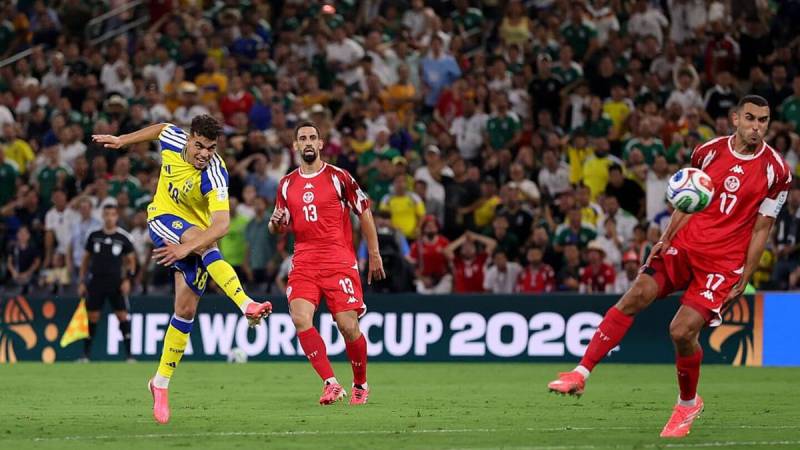
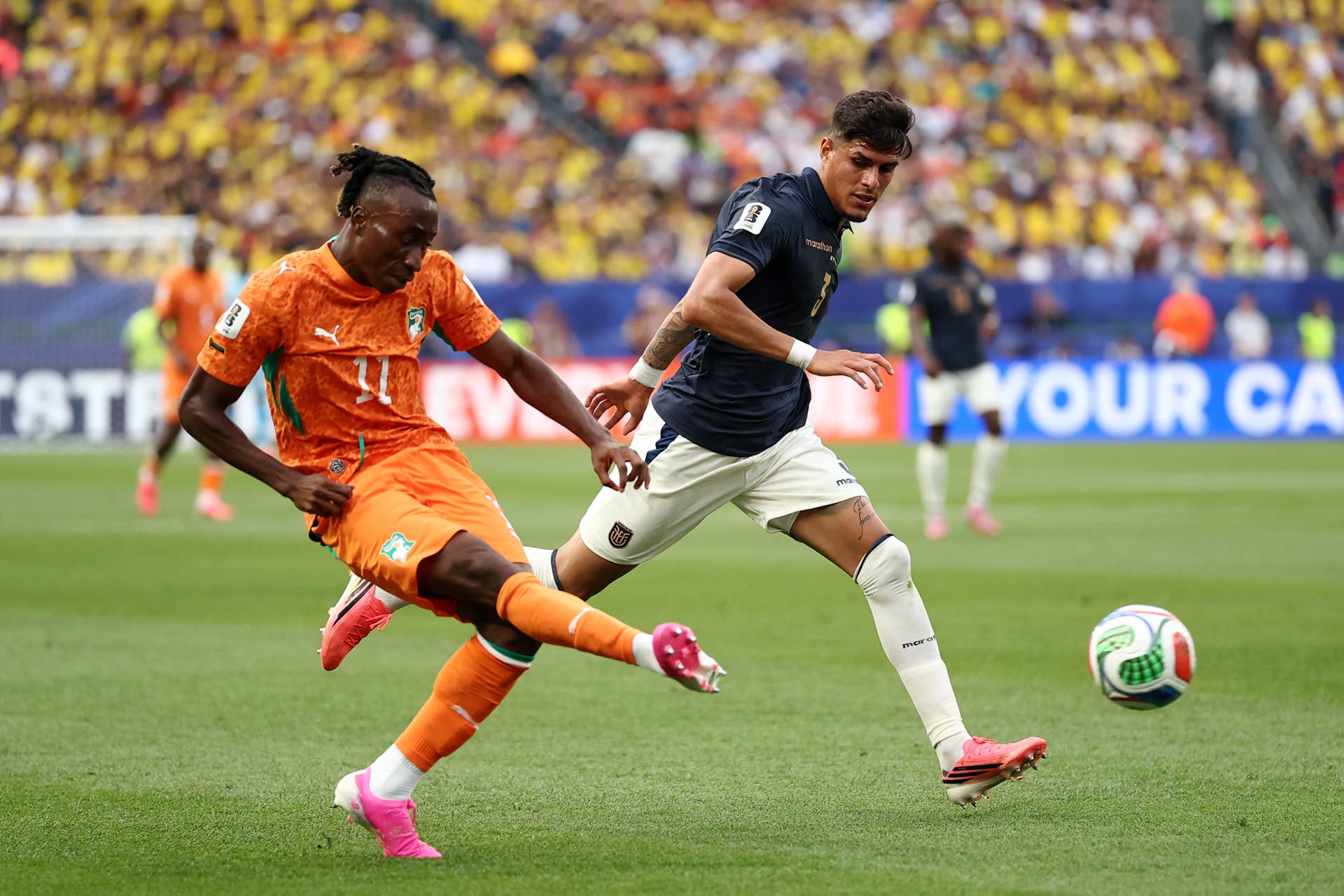
From the opening whistle, the game took on the character of a chess match played at breakneck speed. Ecuador, draped in their striking blue kits, signaled their intent with a ferocity that caught the Ivorian defensive line momentarily off-guard. Early on, a golden opportunity presented itself when a well-constructed attacking move fell to an Ecuadorian forward, but the subsequent strike ballooned over the crossbar, a miss that seemed to echo through the stadium. As the half progressed, the frustration grew for the South Americans. They were playing with an undeniable fluency, stringing together precise passages of play that repeatedly unpicked the Ivorian defense, only to be denied by the cruel geometry of the game—a thunderous strike rattled the woodwork, sending a collective gasp through the Ecuadorian support and serving as a reminder that momentum in tournament football is as fleeting as it is fragile.
Related article - Uphorial Shopify
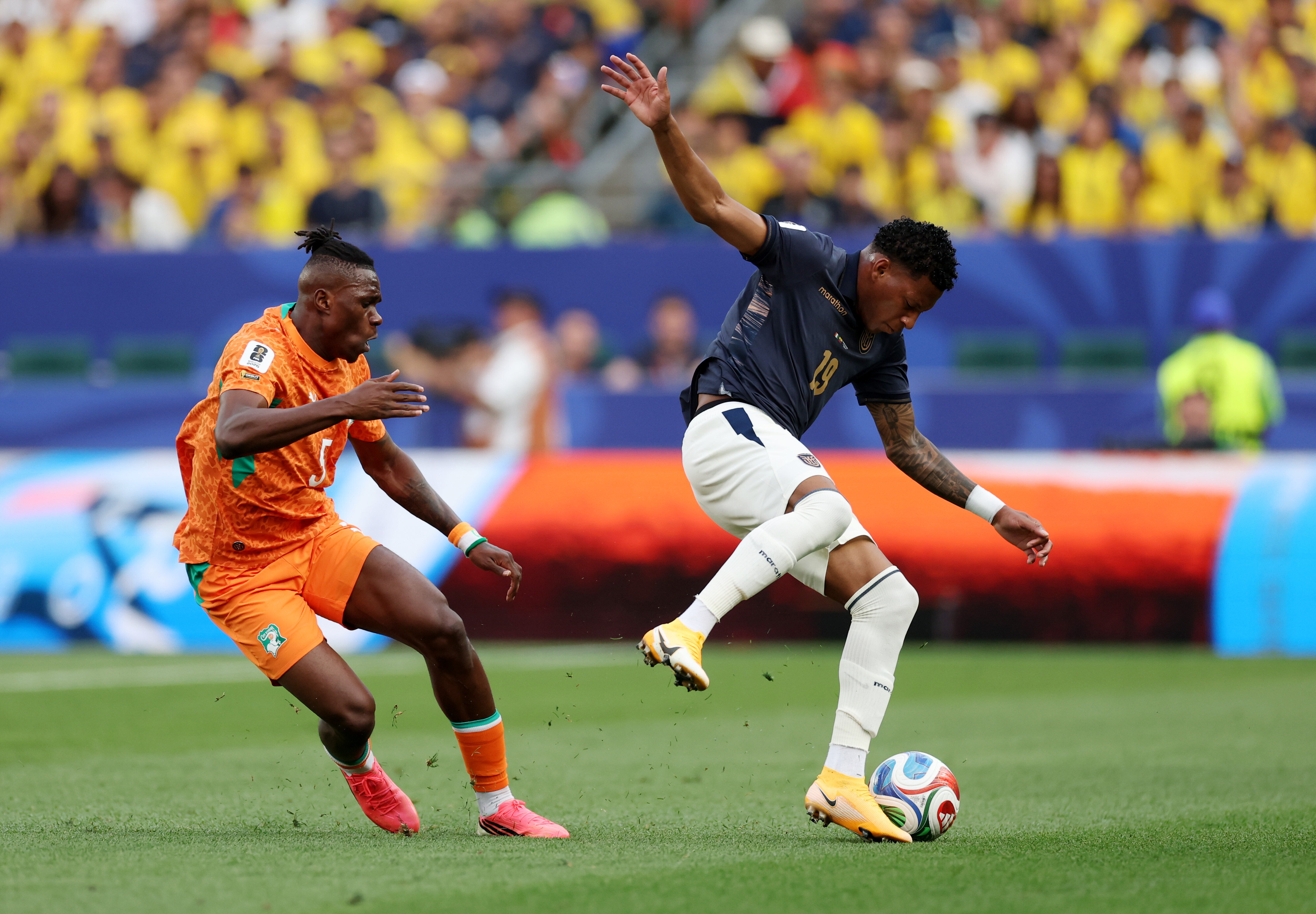
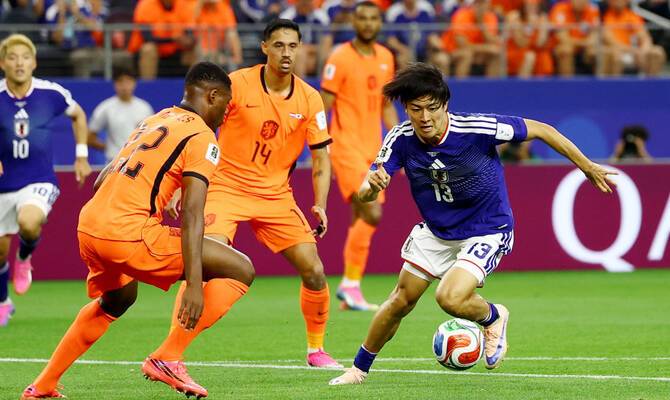
As the halftime whistle echoed, the deadlock remained unbroken. The first forty-five minutes had been a testament to the defensive stubbornness of the Ivorian side, who had weathered the Ecuadorian storm through a combination of tactical discipline and a refusal to yield in the face of sustained pressure. Both managers, recognizing that the game was balanced on a razor’s edge, returned from the locker rooms with a clear mandate: the introduction of fresh legs. The second half became a grueling, end-to-end battle of attrition. The tactical shifts saw both sides prioritize transition play, turning the midfield into a chaotic, crowded arena where possession was surrendered as quickly as it was earned.
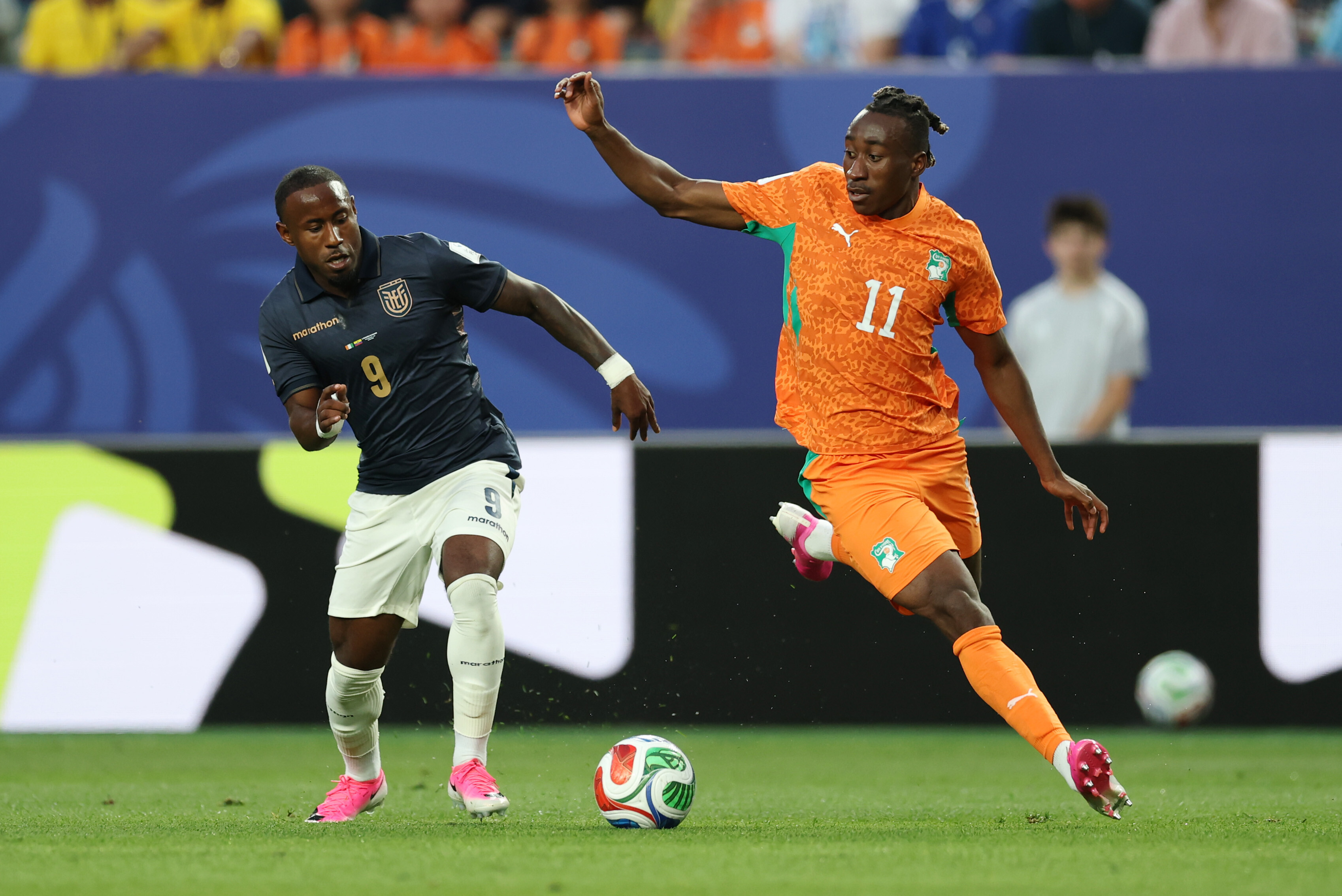
The energy in the stadium shifted in the final quarter of the match. The fatigue of the Philadelphia heat began to bear down on the players, creating pockets of space that neither team had been able to exploit for the preceding seventy minutes. It was in this environment of waning stamina and heightened focus that the Ivorians staged their final, decisive act. The breakthrough, arriving in the dying embers of the contest, was a masterpiece of strategic patience. A surging run from the flank dissected the Ecuadorian line, turning a defensive transition into a moment of pure, offensive clarity. The ball was squared with clinical precision, finding an Ivorian substitute who had entered the match with the singular task of changing its trajectory. With the composure of a veteran, he swept the ball into the corner of the net, a finish that punctured the Ecuadorian resistance and sent the Ivorian bench into a state of absolute, unbridled euphoria.
The final minutes were a frantic blur of Ecuadorian desperation and Ivorian resolve. As the whistle finally sounded, the reality of the moment took hold: a 1-0 victory for Côte d’Ivoire. For the players in orange, the result was far more than a routine group stage win. It was a milestone that bridged a twelve-year gap, a long-awaited homecoming to the winners' circle on the world stage. They had earned three vital points, but more importantly, they had regained the psychological edge that is essential for surviving the brutal demands of a World Cup group.As the fans began their trek out of Lincoln Financial Field, the conversation was already shifting from the tactical grind of the last ninety minutes to the promise of what lies ahead. For Ecuador, the match was a heartbreaking lesson in the fine margins of the tournament—a day where the ball simply refused to find the back of the net. For Côte d’Ivoire, the win represents a transformational framing of their tournament identity. They have proven that they are not just here to endure the competition, but to exert their will upon it. As they look toward their next fixture, they do so with the confidence of a team that has finally shattered its own limitations, leaving Philadelphia not just with a victory, but with the belief that they are, at last, ready to contend with the best in the world.