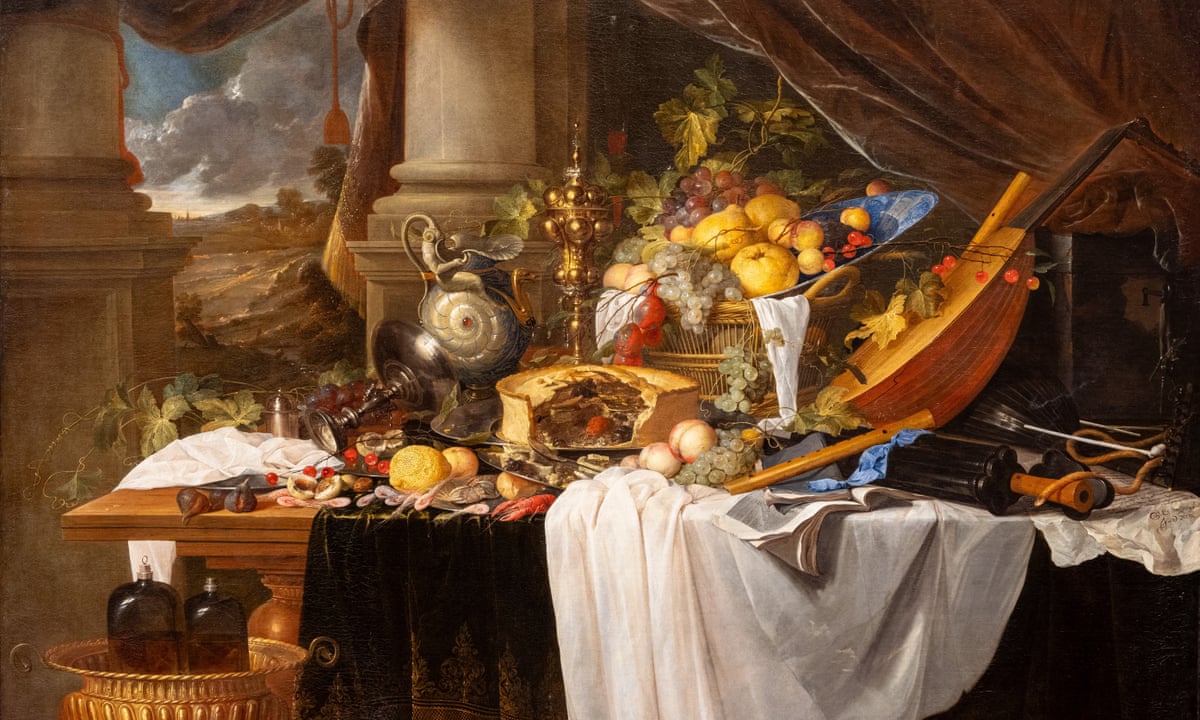
Sotheby’s art experts Daria and Calvine recently attempted to bridge a 400-year gap between the canvas and reality by physically recreating two masterpieces by the Dutch master Peter Claesz. These works, painted around 1622, represent the early brilliance of the still life painter before he transitioned to a more monotone style, offering a unique opportunity to dissect his transition from vibrant color to moody, atmospheric scenes. The first challenge involved a fruit still life, which the experts discovered is actually an imagined image of bounty because it features fruits that ripen at entirely different times of the year. While modern audiences can source grapes or cherries easily, in the 17th century, items like grapes from southern Italy or porcelain from China were high-end delicacies that signaled a "shimmering" luxury and the vast reach of global trade.
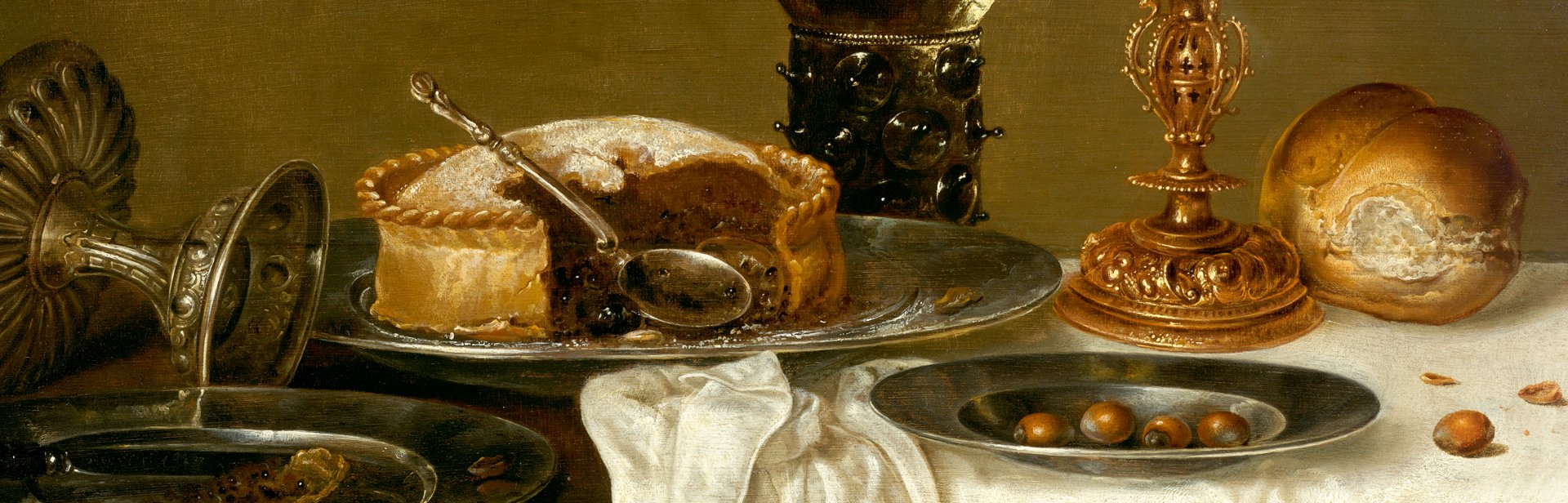
The technical precision required to build these compositions is revealed through Claesz’s use of visual devices, such as placing spoons and knives on diagonals to direct the viewer's gaze through the frame. One of his most effective "tricks" involves positioning a knife or a glass handle slightly off the edge of the table, which effectively breaks the visual barrier and invites the viewer into the scene. This meticulous balance extends to the lighting; for instance, light passing through a ROR glass in the background casts a geometric reflection of a casement window onto the table, a detail that requires architectural precision to replicate in a physical space. The experts even had to find creative approximations for rare items, using yellow cherry tomatoes to mimic the translucence of gooseberry skins and persimmons to evoke the shape of medlars.

Related article - Uphorial Shopify
The second recreation, a tobacco still life, offers a darker, tavern-inspired look at the "detritus of a fun night" with friends. This 1622 painting is one of the earliest known examples of the genre and features a deck of cards that looks remarkably similar to those used 400 years later. This scene, filled with torn bread, dice, and pipes, highlights the reach of the Dutch West India Company, as the tobacco would have been a new and expensive commodity imported from the Americas. To anchor the composition, Claesz uses various glass shapes and a ceramic brazier to reflect light and "warm up" the limited color palette, proving that he could create a lively atmosphere even with monochromatic tones.
Breaking these paintings down object-by-object reveals that what appears to be a natural, casual scene is actually the result of tremendous planning and almost architectural precision. Whether it is the crossing of a wood spill over a knife to lead the eye or the specific sheen of light on pewter, every element is a deliberate choice made by the artist. This exercise in reconstruction underscores that Peter Claesz was not merely a painter of objects, but a master of compositional balance who used every detail—from the monogrammed signature on a knife to the embers in a brazier—to craft a narrative of 17th-century life. Ultimately, the physical recreation of these works provides a newfound appreciation for the complexity and thought embedded in every inch of a Dutch Golden Age still life.