PARIS — The "Shapes of Cartier" represents more than a collection of luxury objects; it is a sprawling, 300-piece manifesto on how the geometry of time was systematically dismantled and rebuilt by the house of Cartier over the last century. At the core of this record-breaking assembly is the realization that Louis Cartier and his successors viewed the watch face not as a static surface, but as a flexible canvas for avant-garde expression. By breaking the monopoly of the round watch, Cartier moved horology into the realm of architectural design, creating a visual shorthand that appealed to the logic of engineers and the aesthetic sensibilities of artists in equal measure.
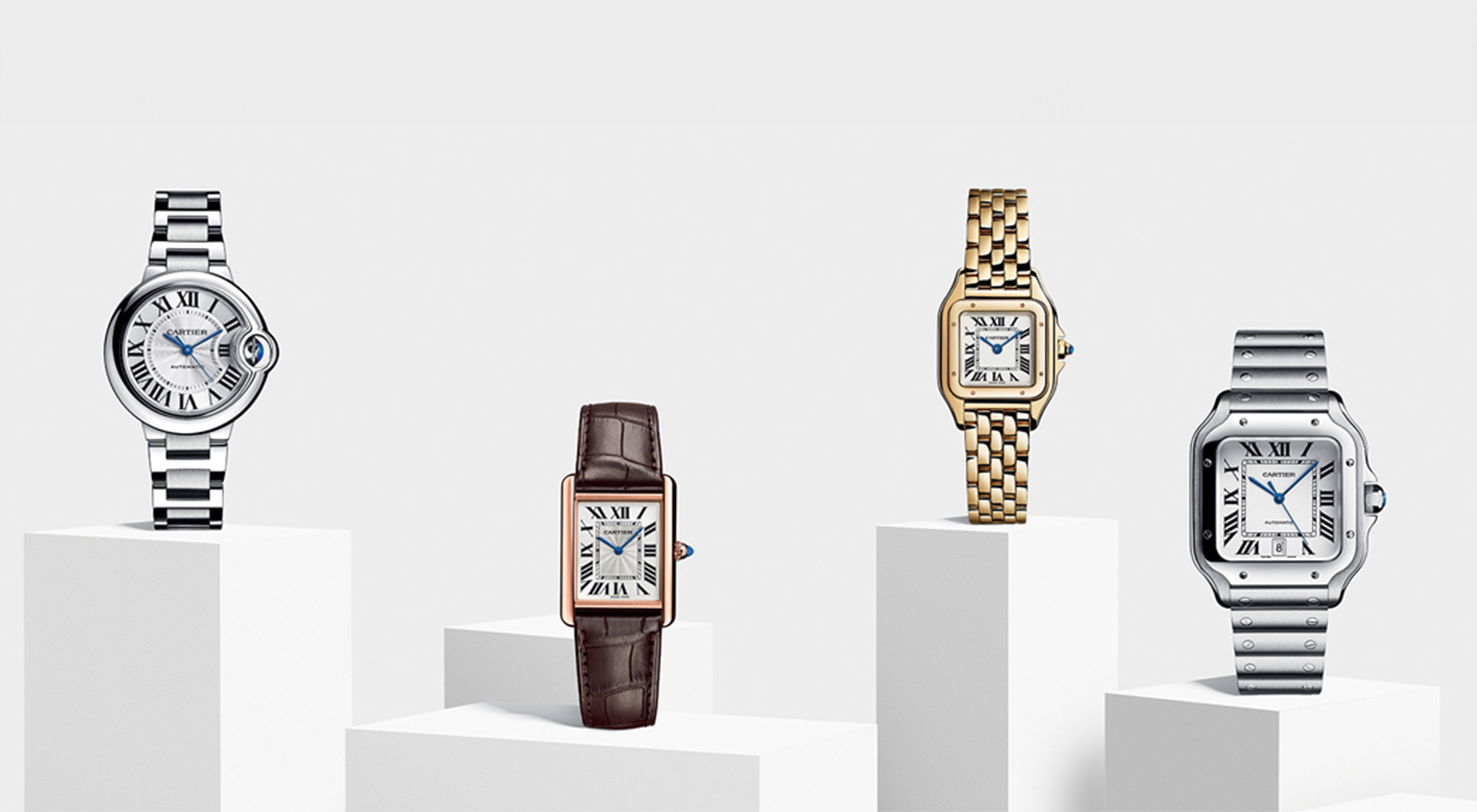
The foundational shift began with the Santos, a timepiece that redefined the masculine accessory. Before its inception, men carried round pocket watches; the Santos, born from the practical requirements of aviator Alberto Santos-Dumont, brought time to the wrist in a bold, square frame. This wasn't merely a change in orientation but a revolution in ergonomics. It allowed for a seamless integration of the strap into the case, a design innovation that transformed the watch into a single, cohesive unit. This spirit of functionalism reached a peak of industrial elegance with the Tank. Drawing from the grim machinery of the First World War—specifically the overhead view of Renault tanks—the watch used its "brancards" (the vertical bars) to mimic the tracks of the vehicle. It was a stark, rectangular departure from the ornate styles of the Belle Époque, and its simplicity made it an eternal icon for figures like Andy Warhol, who prized its silhouette over its mechanical function.
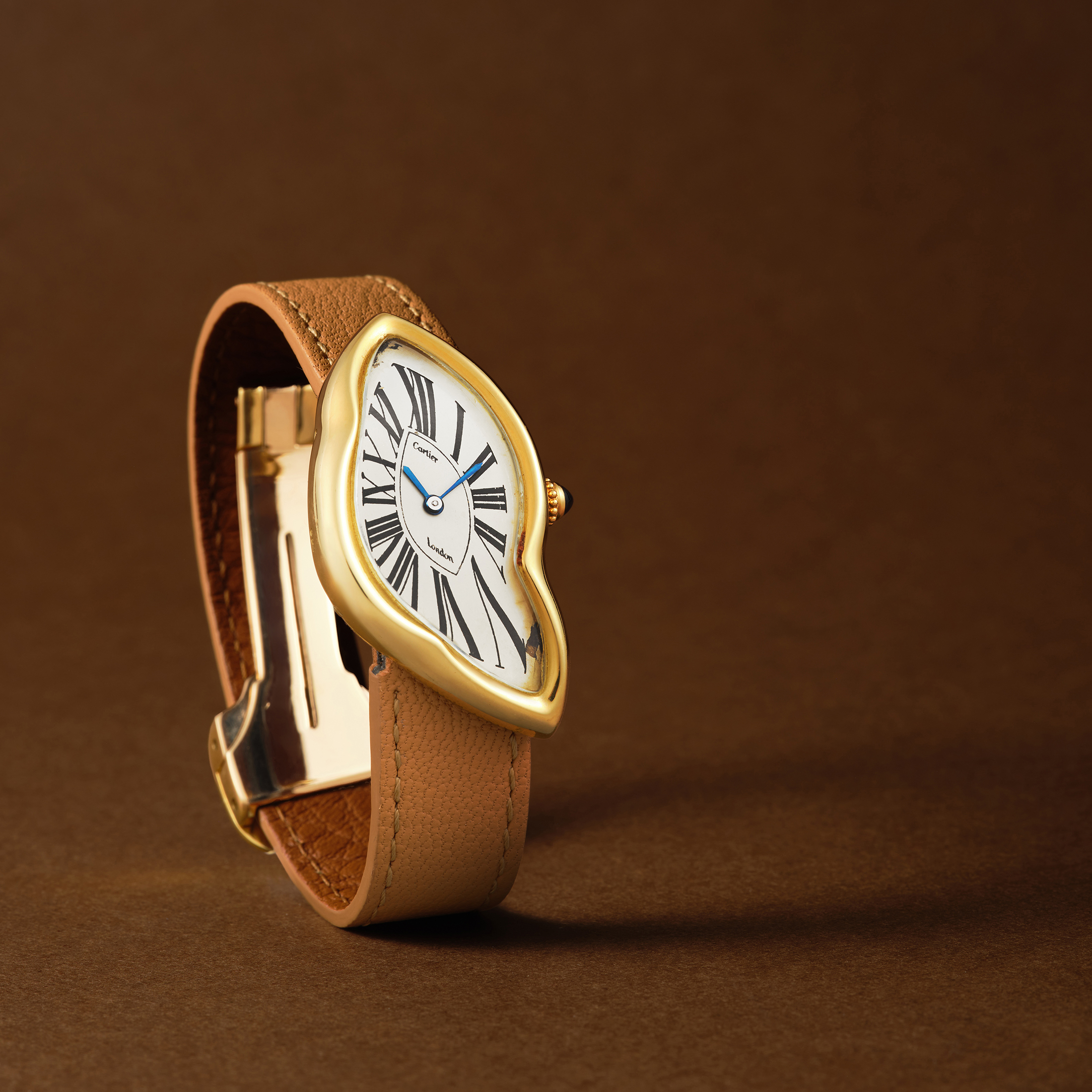
However, Cartier’s mastery lay in its ability to pivot from the rigid and industrial to the fluid and organic. The Baignoire, or "bathtub," serves as the quintessential example of this versatility. Born from a commission for the Grand Duchess Marie Pavlovna, the Baignoire’s stretched, elliptical curves showcased a softer side of Cartier’s geometric vocabulary. It proved that grace could be engineered, leading the way for even more daring experiments like the Cartier Crash. The Crash remains the most subversive design in the collection, a literal and figurative distortion of the Baignoire shape. While legends suggest it was inspired by a watch damaged in a car accident, the reality was a deliberate attempt by Jean-Jacques Cartier and Rupert Emerson to mirror the psychedelic, rule-breaking spirit of 1960s London. The "melting" gold case challenged the very notion of what a high-end timepiece should look like, solidifying Cartier's reputation as the "jeweller of shapes."
Related article - Uphorial Shopify
The collection also highlights how Cartier utilized geometry to solve specific behavioral problems, most notably through the Tank Asymétrique. By shifting the entire movement and dial 30 degrees to the right, Cartier created a watch that aligned perfectly with the driver’s gaze. When a pilot or driver had their hands on a wheel or yoke, the 12 o'clock marker sat exactly at the top of their field of vision. This level of intentionality—where the shape of the object is dictated by the action of the wearer—elevated Cartier from a luxury brand to a design house. It demonstrated that a watch could be an extension of the human body’s movements, rather than a static ornament strapped to it.
Ultimately, this century-long evolution reveals that Cartier timepieces are built on a unique vocabulary of design that merges technical engineering with high art. Each of the 300 watches in this record-breaking collection tells a story of a brand that refused to be circular. Whether it was the square Santos, the rectangular Tank, the elliptical Baignoire, or the distorted Crash, the house of Cartier proved that the most profound way to tell time was to change the shape in which it was told. This legacy continues to influence the world of style and horology today, catering to those who see the watch not just as a tool for measuring minutes, but as a masterpiece of structural integrity and creative vision.