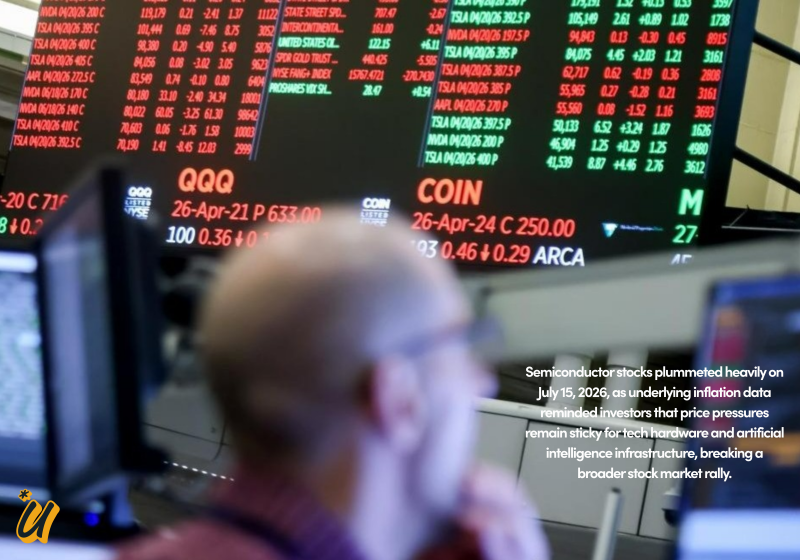
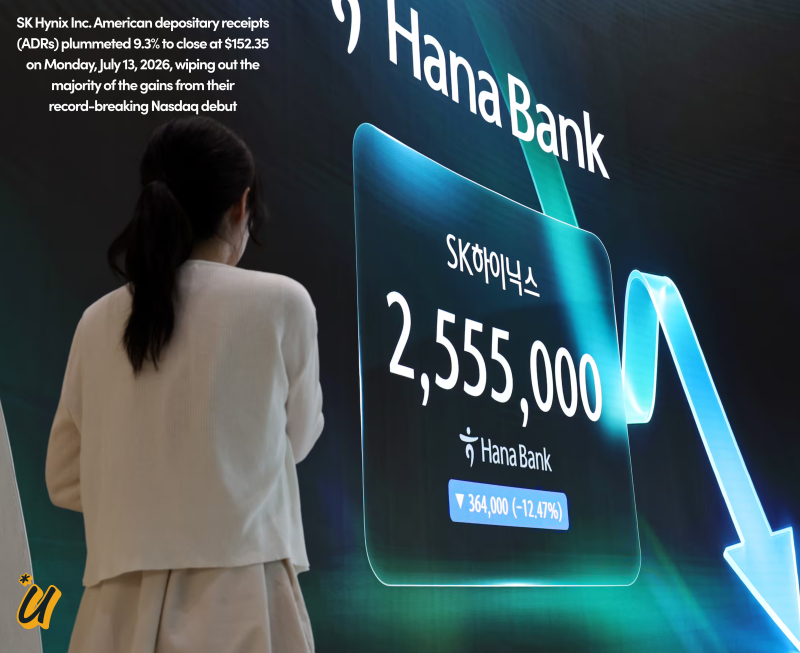
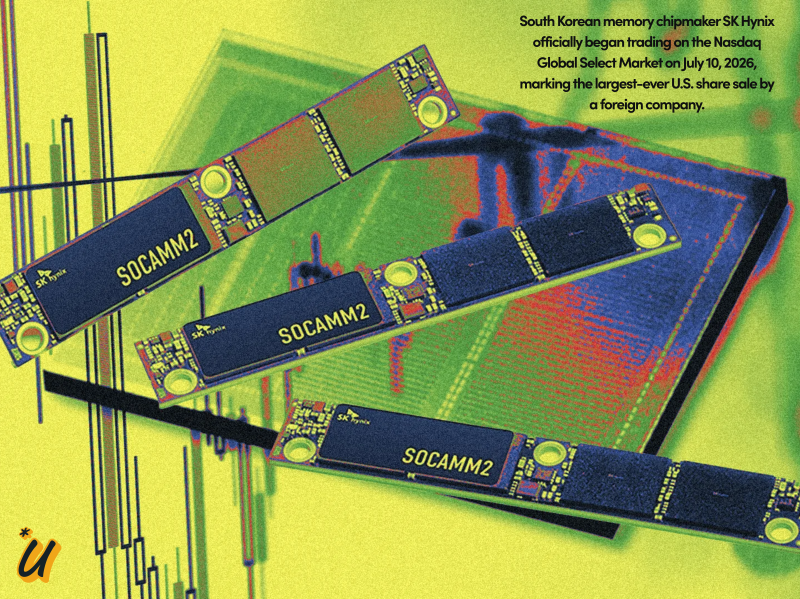
NEW YORK — A sweeping wave of volatility cascaded through global financial markets today as a convergence of groundbreaking artificial intelligence developments, high-stakes corporate earnings reports, and unexpected hardware setbacks triggered a widespread reassessment of tech-sector valuations. In a dramatic trading session that felt like a referendum on the massive capital expenditures pouring into silicon and software, investors aggressively recalibrated their portfolios, leading to sharp declines in equity indexes and rare tremors in corporate debt markets.
The primary catalyst for the day’s market-wide selloff emerged from the highly competitive generative artificial intelligence landscape in Asia. Beijing-based AI startup Moonshot pulled back the curtain on its newest frontier model, Kimmy K3. Boasting a staggering 2.8 trillion parameters, the model represents a massive leap forward in scale and capability. According to Moonshot’s technical presentations, Kimmy K3 actively competes with the absolute highest tier of frontier models currently offered by American heavyweights OpenAI and Anthropic. What truly unnerved Wall Street, however, was the cost narrative: Moonshot claims to deliver this world-class cognitive performance at a significantly lower operational and inference cost than its Western counterparts.
The realization that top-tier AI capabilities are becoming heavily commoditized and heavily discounted sent a shockwave through the semiconductor supply chain. Investors quickly deduced that if ultra-powerful models can be built and run at a fraction of previous cost estimates, the insatiable, blank-check demand for high-end graphics processing units and specialized silicon might peak far sooner than anticipated. The market reaction was swift and unforgiving. A relentless, market-wide selloff battered technology equities, with the heaviest pain concentrated squarely on semiconductor manufacturing and design firms.
By the closing bell, the tech-heavy Nasdaq 100 was reeling under significant downward pressure. The dynamic was even more severe for the Philadelphia Semiconductor Index, affectionately known on trading floors as the Sox. The index plunged dramatically, tracking toward its most severe weekly decline since April 2025. This sudden reversal highlighted a deepening, systemic anxiety among institutional investors regarding the true return on investment for the hundreds of billions of dollars currently being spent on artificial intelligence infrastructure.
This growing skepticism did not stop at equity desks; it bled heavily into fixed-income markets. Observers noted an unusual underperformance in tech-related corporate debt, an area historically insulated from short-term software hype cycles. Bond investors are increasingly questioning whether the relentless capital expenditure required to stay competitive in the AI arms race will ultimately erode corporate balance sheets rather than yield sustainable profit margins. For months, the market gave tech giants a free pass on spending, but the sudden arrival of cheaper, hyper-scaled international models like Kimmy K3 has forced a tense re-evaluation of whether that debt-fueled spending will ever see a meaningful ROI.
Compounding the anxiety in the broader tech ecosystem were reports that Alphabet Inc.’s Google is grappling with unexpected friction in its own AI product pipeline. Inside sources suggest that the tech giant is facing notable development delays regarding the highly anticipated rollout of its Gemini 3.5 Pro model. For a company constantly fighting to prove it hasn't fallen behind in the foundational model race, any hint of a product delay acts as fuel for broader market concerns. It raises uncomfortable questions about Google's agility and its long-term positioning in an AI landscape where startups are moving at breakneck speed.
Yet, despite the macroeconomic clouds hanging over AI infrastructure, the venture capital ecosystem proved it is still willing to place massive, long-term bets on the future of automation. Greylock Partners announced today that it has successfully raised $1.5 billion for its 18th fund. Saam Motamedi, a partner at the firm, noted that despite the public market's immediate jitters, the venture fund remains deeply committed to backing early-stage AI infrastructure and specialized applications. The massive capital raise underscores a stark divide between public market investors, who are panicking over immediate quarterly returns, and private venture capitalists, who view the current volatility as a necessary stabilization phase before the next true wave of enterprise software adoption.
Simultaneously, other magnificent tech giants are shifting their operational chess pieces to navigate regional complexities, particularly within mainland China. Apple Inc. is quietly forging a distinct, localized strategy to ensure its upcoming consumer devices can legally and effectively deploy AI features within the Chinese market. Due to strict domestic regulations on data and algorithmic models in China, Apple is currently in deep discussions to partner with local e-commerce and cloud titan Alibaba to power its device intelligence features.
On the consumer hardware front, Apple is also engineering a major physical overhaul for one of its classic form factors. The Cupertino company is actively planning to equip its next-generation iPad Mini with a vibrant, high-efficiency OLED display, moving away from traditional LCD technology to better align the smaller tablet with the premium display standards of its iPhone and iPad Pro lineups.
Beyond the silicon and software sectors, the entertainment and media landscape offered no relief for weary investors, as streaming pioneer Netflix Inc. became a central source of market drag. Shares of the streaming giant tumbled sharply following a cautious revenue forecast. Company executives warned of slowing sales growth for a second consecutive quarter, signaling that the massive subscriber boosts driven by its recent password-sharing crackdowns and ad-supported tier expansions may finally be reaching a point of diminishing returns. While some sell-side analysts rushed to defend the company, maintaining a positive long-term outlook based on Netflix's undeniable pricing power and dominant global market share, the immediate reality was a bruising blow to investor sentiment, further draining liquidity out of high-multiple growth stocks.
To wrap up a challenging day across the technology frontier, even the newly minted public equity of SpaceX found itself navigating turbulent skies. Following its highly anticipated and historic initial public offering, the aerospace giant experienced a painful reminder of the operational risks inherent to rocket science. A planned launch of its massive Starship vehicle was abruptly scrubbed on the pad due to an unresolved technical anomaly. Coming so soon after the IPO, the high-profile launch abort created immediate, compounding pressure on SpaceX stock. It served as a stark reminder to the public markets that pioneering deep-space exploration involves volatile timelines and capital-intensive setbacks that rarely conform smoothly to the orderly expectations of Wall Street's quarterly earnings calendars.