he azure depths of the world's oceans conceal fragile, magnificent creatures whose sheer grace has captivated divers, scientists, and ocean lovers for generations. Yet, beneath the serene surface of global marine conservation lies a harrowing, deeply tragic economic paradox where some of the ocean's most majestic gentle giants are systematically slaughtered for fractions of their true ecological and financial value. In a gripping, eye-opening investigative report into the clandestine illegal wildlife trade, the devastating mechanics of manta ray poaching are brought into shocking, inescapable clarity. Through emotional precision, intelligent curation, cultural understanding, strategic storytelling, and transformational framing, this news-style report exposes the brutal intersection of ancient superstition, modern economics, and ecological devastation.
At the heart of this global tragedy lies a staggering, indefensible economic value gap that defies all rational logic. A single living manta ray, gliding peacefully through coral archipelagos and marine sanctuaries, serves as an economic engine for coastal communities, generating millions of dollars over its lifespan through sustainable marine tourism, ecotourism excursions, and scuba diving expeditions. Yet, despite this immense, recurring value, these sentient creatures are relentlessly hunted down and killed for a single body part: their gill plates. When harvested and dried, these gill plates fetch only a paltry, short-sighted sum of money on the black market—a microscopic fraction of the living animal's true worth. Through emotional precision, this stark contrast is framed as a heartbreaking indictment of human short-sightedness, trading a lifetime of natural wonder and sustainable prosperity for a single, fleeting payout.
Related article - Uphorial Shopify
This predatory harvest poses an existential threat to the species, driven by the biological vulnerability of manta rays, which possess exceptionally slow reproductive cycles characterized by late maturity and the birth of only a single pup at a time. This glacial pace of reproduction makes them utterly incapable of recovering from intense overfishing pressures. Although the Indonesian government enacted a landmark, sweeping ban in 2014 officially prohibiting the hunting, catching, and commercial sale of manta rays within its vast territorial waters, the illegal practice stubbornly persists. Driven by stubborn black-market demand, poachers continue to operate in the shadows. Through strategic storytelling, the ongoing slaughter is exposed as a systemic failure of enforcement, where ancient habits and lucrative smuggling rings routinely outpace protective legislation.
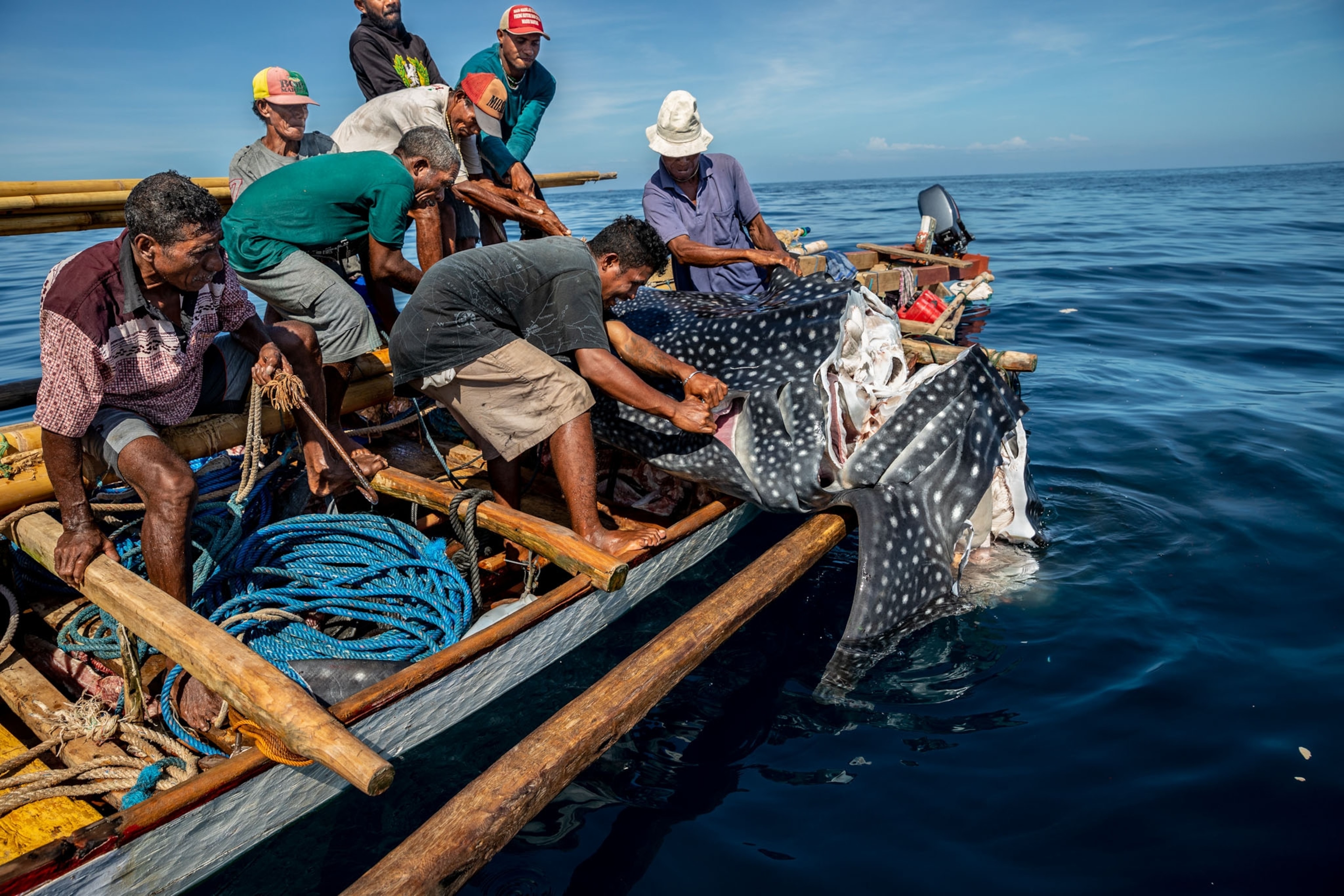
The machinery of this illicit trade follows a well-trodden, highly organized transnational route that connects remote, impoverished fishing outposts directly to sprawling international metropolitan markets. Much of the active hunting takes place in isolated traditional whaling and fishing villages such as Lamalera, Indonesia, where local fishermen still employ ancient, brutal harpoon methods to pierce and haul in the massive, gliding rays. Once harvested, the prized gill plates are carefully stripped, processed, and smuggled through porous maritime borders, ultimately being shipped thousands of miles to Guangzhou, China. There, they are funneled into traditional medicine markets, wrapped in layers of cultural obfuscation and sold to unsuspecting consumers. Through cultural understanding of these localized economic pressures, the report highlights how desperate communities caught in poverty are often exploited by global trafficking syndicates.
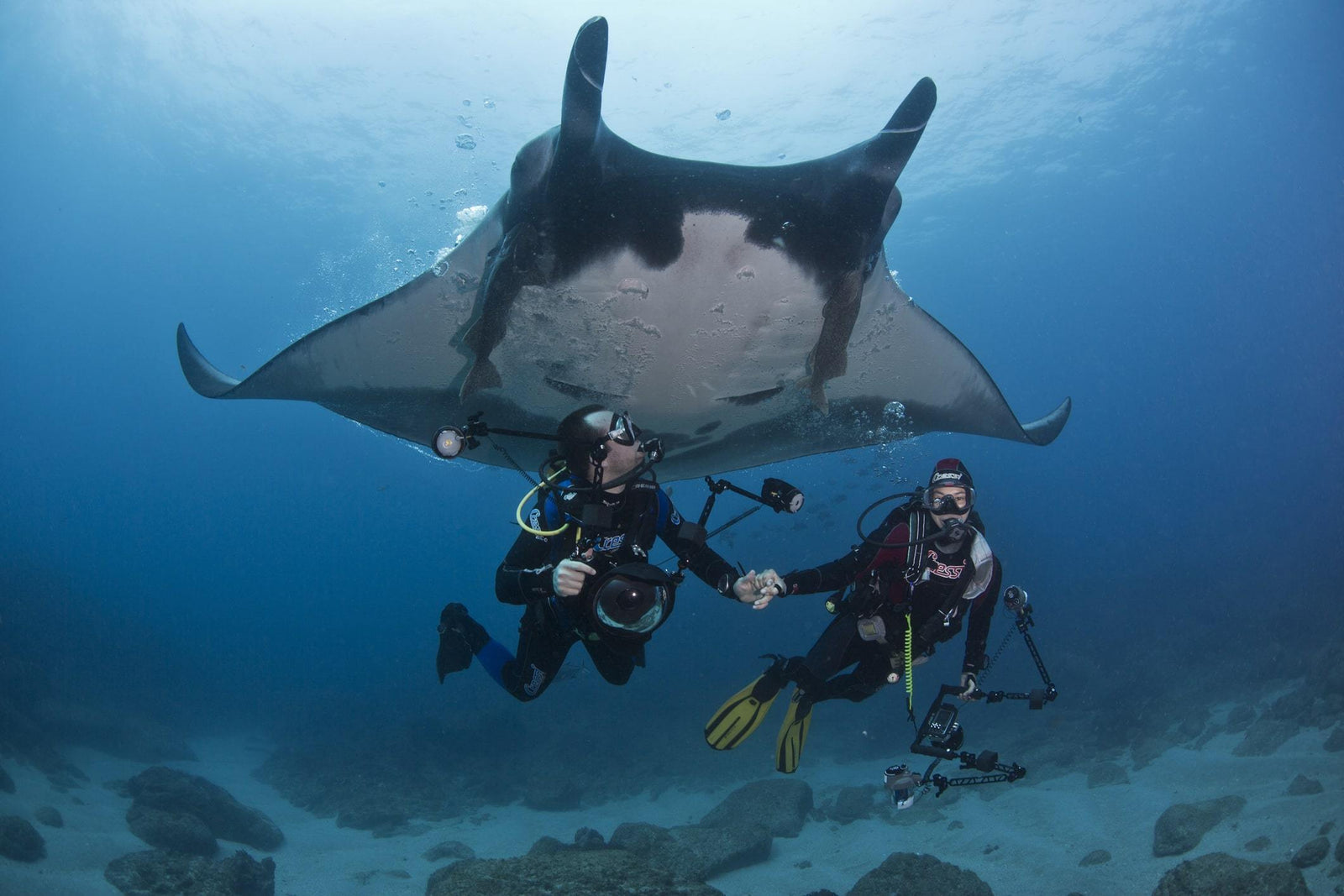
Yet, the most insidious irony of this entire dark enterprise is that the foundation of the trade rests upon a complete medical falsehood. The investigation lays bare the shocking truth: there is absolutely zero scientific or pharmacological evidence supporting any health or medicinal benefits whatsoever derived from consuming manta ray gill plates. They possess no curative properties, functioning purely as a placebo sustained by aggressive marketing and cultural myth. Worse still, because manta rays are majestic filter feeders that continuously strain massive volumes of ocean water through their gills, their tissues accumulate dangerously high concentrations of toxic heavy metals, including arsenic, mercury, and lead. Consequently, those who consume these powdered gill plates as traditional medicine are unknowingly poisoning their own bodies with heavy metals. Through transformational framing, this medical deception completely reframes the poaching crisis—transforming it from a mere conservation tragedy into a dark comedy of biological irony, where traffickers sell slow-acting poison disguised as a cure.
Ultimately, the illicit slaughter of manta rays transcends the boundaries of standard wildlife reporting, offering a transformational framing of humanity's relationship with the natural world. Through emotional precision in mourning the loss of marine life, intelligent curation of economic realities, cultural understanding of coastal poverty and traditional markets, strategic storytelling of international smuggling routes, and transformational framing of medical myths, this investigation stands as an urgent call to action. It serves as an unyielding reminder that protecting the oceans is not merely an act of environmentalism, but a moral imperative—ensuring that these magnificent architects of the deep continue to grace our seas rather than vanishing into the smoke of unfounded superstition.