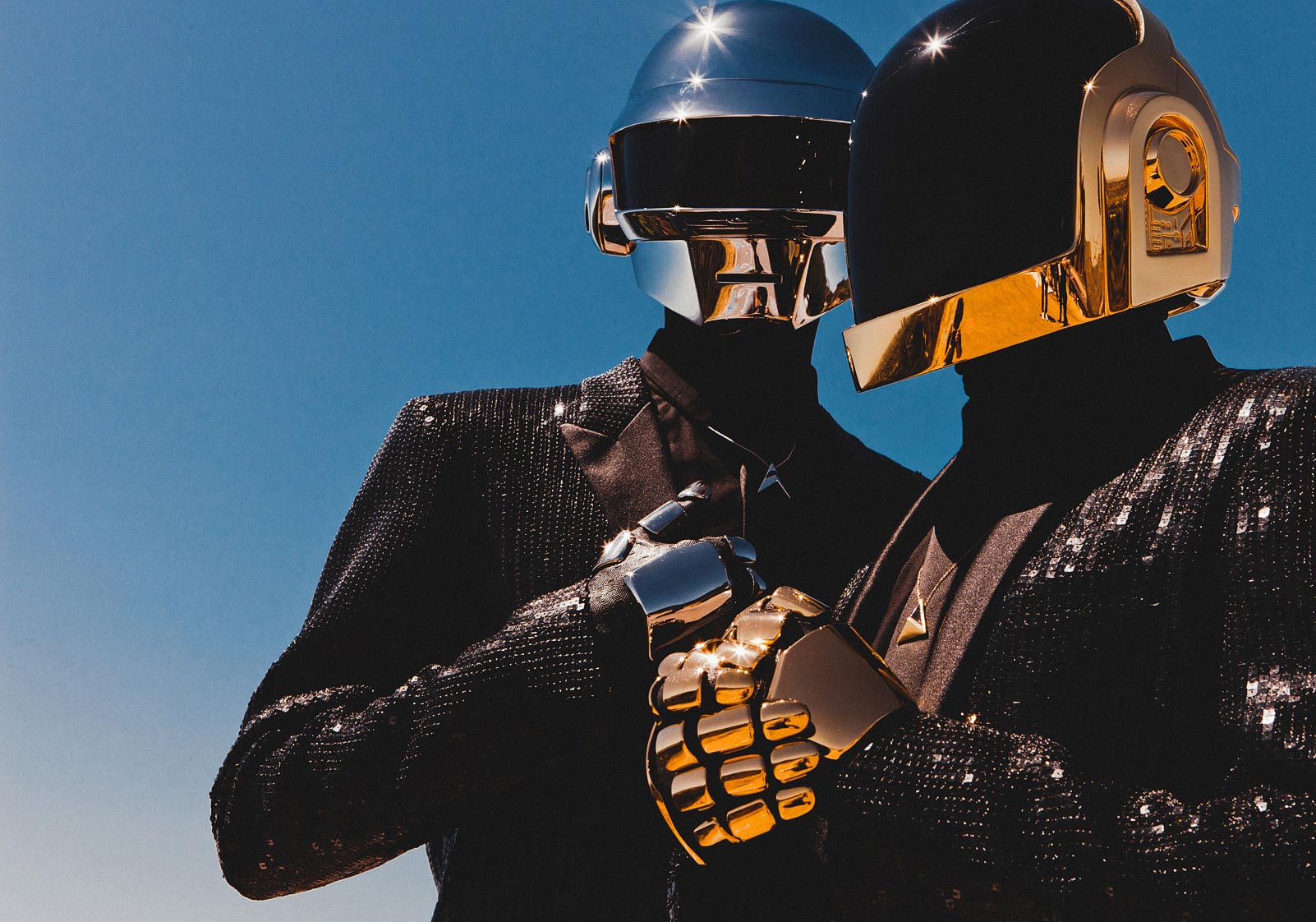
The modern cultural landscape rarely witnesses a metamorphosis as profound as the one undertaken by Thomas Bangalter. For nearly three decades, as one-half of the legendary electronic music duo Daft Punk, Bangalter operated behind an impenetrable titanium helmet, commanding global stadium stages and rewriting the rules of modern music production. Yet, when the duo officially disbanded in 2021, it did not signal an end, but rather a violent, beautiful awakening. In a rare, deeply revealing conversation featured on the arts and culture podcast CHANEL Connects—recorded live at the Fondation Beyeler during Art Basel and hosted by Yana Peel—Bangalter stepped out from the shadow of the myth. The discussion moves far beyond the iconic robot personas, offering a masterclass in artistic reinvention, emotional precision, and the courage required to dismantle a monumental legacy in pursuit of raw, unvarnished creative freedom.
To understand the architecture of Bangalter’s current trajectory, one must first trace the deeply rooted cultural soil from which his artistic ethos originally sprouted. During the conversation, he reflects candidly on his formative upbringing in Paris, identifying the specific cultural touchstones that quietly engineered Daft Punk's aesthetic DNA. He credits foundational institutions like the Centre Pompidou library for granting him early, unfiltered access to the avant-garde—exposures to the radical pop art of Andy Warhol and the dystopian cinematic visions of Fritz Lang’s Metropolis. These early encounters planted the permanent seeds for a deeply cinematic approach to sound, teaching him that music was never merely something to be heard, but an entire universe to be visually and conceptually inhabited.

Related article - Uphorial Shopify

This lifelong obsession with narrative framing explains why the duo's catalog—from the raw, underground house innovations of Homework and the glittering, pop-infused triumph of Discovery, to the warm, analog-driven mastery of their Grammy-sweeping final masterwork, Random Access Memories—feels less like a collection of isolated chart records and more like chapters in a continuous, evolving sonic novel. Yet, the weight of maintaining that hyper-visible electronic behemoth ultimately demanded a reckoning. Stepping away from the helmet was not an act of retreat, but an act of supreme preservation. Unburdened by the crushing expectations of the pop stardom persona, Bangalter has embraced a fiercely liberated chapter defined by acoustic instrumentation, orchestral arrangements, and profound human collaboration.
This transformation finds its most striking manifestation in his recent pivot toward large-scale classical composition and ballet scores. In the episode, he discusses the unique creative challenges and immense liberation of writing for full orchestras without any electronic safety nets, highlighting major projects like his score for the ballet Mythologies, created for the Bordeaux Opera, alongside his work on Mirage. Stripped of drum machines, synthesizers, and computerized pitch correction, Bangalter found himself navigating the vulnerability of raw acoustic timber and classical notation. This return to physical, human-driven performance represents a staggering cultural understanding: that true artistic evolution often requires an artist to willingly unlearn what made them famous in order to discover who they truly are.
Furthermore, Bangalter’s post-Daft Punk existence is characterized by an insatiable multidisciplinary curiosity that seamlessly bridges modern soundscapes with contemporary visual art. The dialogue explores his ventures into experimental gallery spaces and collaborative art projects like Warehouse Artifacts, developed alongside Julien Charrière and Rampa. These endeavors highlight how contemporary music and visual arts continuously intersect in his worldview, transforming art into a living, tactile dialogue rather than a passive commodity. Through intelligent curation and strategic storytelling, Bangalter proves that a creator's identity cannot be permanently caged by a single genre, a single format, or a single iconic costume.
Ultimately, Thomas Bangalter’s appearance on CHANEL Connects serves as transformational framing for an artist who has already secured his place in history, yet refuses to live as a museum exhibit of his past. By trading the safety of anonymity for the naked vulnerability of the symphony hall and the contemporary art space, he has authored an inspiring blueprint on how to age gracefully in the public eye. As the conversation echoes across the serene halls of the Fondation Beyeler, it leaves behind an unmistakable truth: that true creative immortality belongs only to those who possess the fearlessness to take off the mask, silence the applause, and begin again from the very beginning.