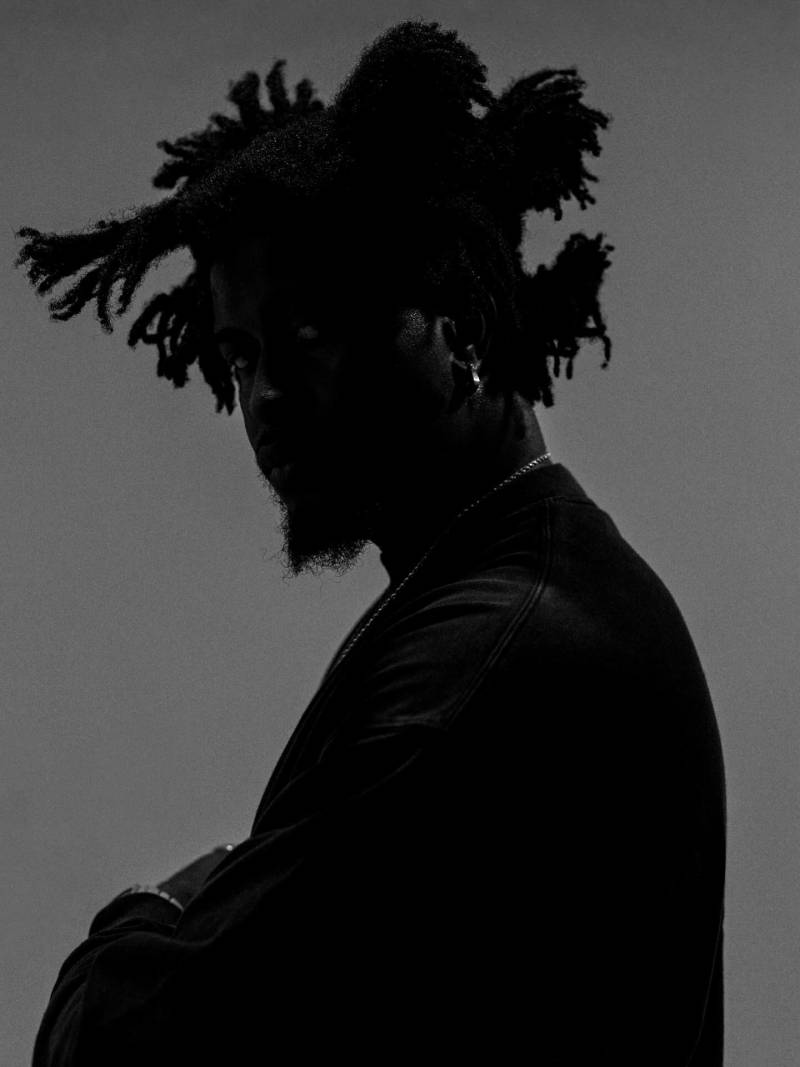
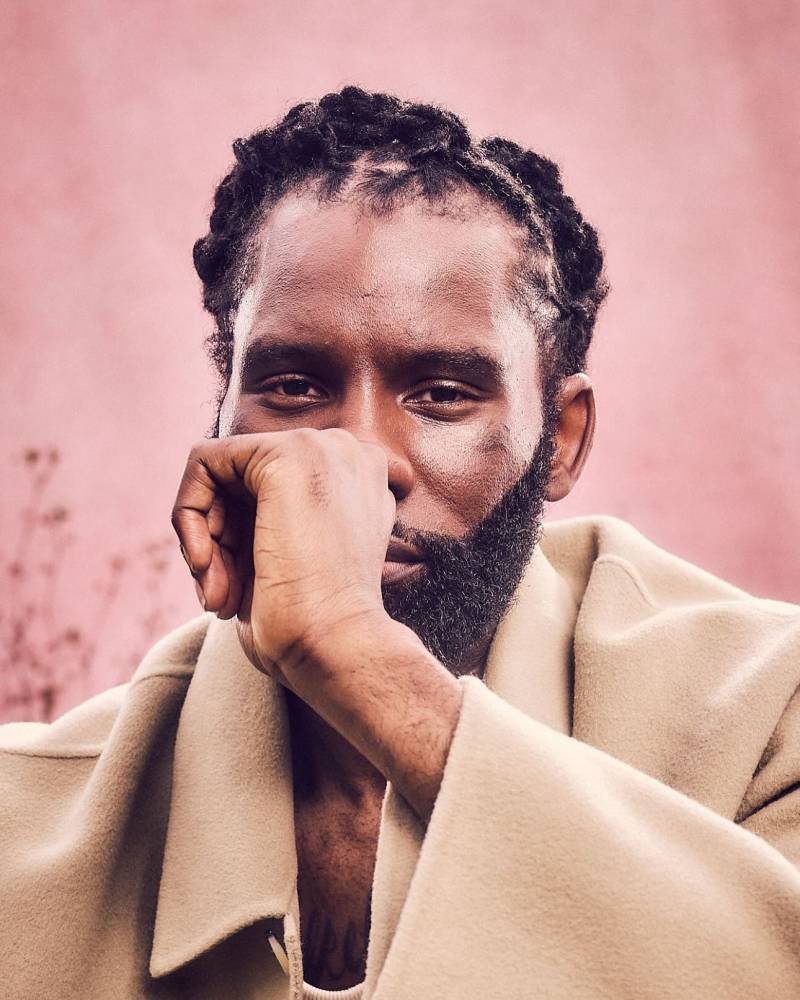
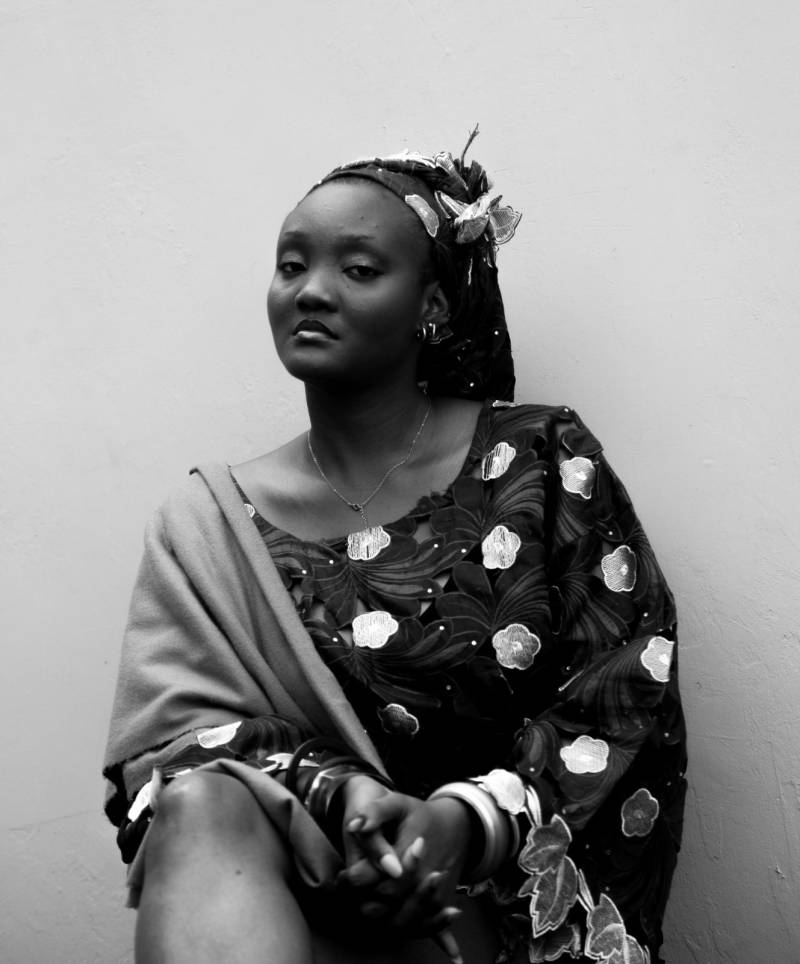
LAGOS – The air inside the studio during the most recent episode of MENtality with Ebuka was thick with a rare kind of sincerity—the sort that only emerges when men who have reached the peaks of their respective industries decide to stop performing and start reflecting. Host Ebuka Obi-Uchendu, joined by co-host Banky W and the formidable voices of rapper M.I Abaga and filmmaker Dika Ofoma, peeled back the layers of the Nigerian entertainment industry to reveal a startling truth: the pursuit of greatness is a lonely road if walked without a map, and for too long, the map has been missing.
At the heart of the dialogue was a sobering dissection of the current cultural landscape. These men, who have shaped the sounds of Afrobeats and the visual narratives of Nollywood, acknowledged a shared pain point: they had largely navigated their own ascent in the dark. Mentorship, in their formative years, was not a given; it was an accidental discovery, often found in the margins of professional life rather than through any formal or structured pipeline. As they recounted the early struggles of their careers, the conversation underscored a systemic failure to transfer knowledge from one generation to the next. The industry, they argued, has operated as a series of isolated silos rather than a community of growth, leaving young creators to stumble through the same pitfalls their predecessors spent years overcoming.A pivotal tension emerged as the panel drew a sharp, necessary line between mentorship and the passive observation of role models. There is, they argued, a profound difference between the distant, often curated perfection of a role model on social media and the grit of a mentor. While one can study the trajectory of an icon—analyzing their work and their history to extract lessons—this is a one-way street. True mentorship is relational; it is an active, two-way transfer of values, mistakes, and wisdom. By shifting the focus from the pedestal of the "role model" to the grounded connection of the "mentor," the conversation championed a return to human-to-human guidance. It was a call to move beyond the digital distance that characterizes modern aspiration and back toward the traditional, necessary apprenticeship of the spirit.
Related article - Uphorial Shopify

Perhaps the most transformational framing of the discussion was the panel’s rejection of the "result" in favor of the "process." In an era defined by an almost pathological societal obsession with the final outcome—the wealth, the status, the public accolade—the guests articulated a radical counter-narrative. They argued that our cultural fascination with the finish line is effectively blinding us to the character-building essential to staying there. When success is viewed only as a destination rather than a reflection of a life lived with integrity, the path taken to reach it becomes irrelevant. This, they noted, has created a generation for whom the "how" has been sacrificed for the "what." The call to action was clear: we must stop celebrating the outcome and start honoring the grueling, unglamorous, and transformative process of becoming.The group did not shy away from the darker implications of their own industry’s influence. As creators of stories and sound, they acknowledged the moral weight of their craft. In both Nollywood and Afrobeats, there has been a creeping normalization of questionable paths to wealth—stories that glamorize shortcuts and prioritize optics over substance. They debated the responsibility of the creator, asking whether the narratives they project are guiding the next generation toward light or toward a mirage. It was a moment of profound accountability; they recognized that they are not just observers of the culture, but its architects, and that every story told, every song released, and every public persona curated contributes to the moral scaffolding upon which younger men build their own lives.
Despite the systemic challenges, the crumbling institutions, and the economic pressures that define the Nigerian experience, the conversation ultimately circled back to a bedrock of personal responsibility. The panelists refused to let external circumstances serve as an excuse for individual decay. Leading one’s life, one’s home, and one’s career is, at its core, a solitary duty that must be performed with unwavering integrity. They challenged the listeners—and each other—to move beyond the performative aspects of masculinity and to foster connections that are stripped of ego. It was an invitation to build a brotherhood that does not hinge on mutual financial gain or the maintenance of public branding, but on the long-term, quiet work of helping one another remain honest, grounded, and focused on development that transcends the immediate.As the episode drew to a close, the consensus was clear: the urgency of this moment requires a shift in how men define value. We are at a turning point where the obsession with immediate fame must be tempered by a commitment to long-term impact. By prioritizing the transfer of wisdom over the accumulation of wealth, and by demanding that the process be as honest as the outcome is significant, these men are attempting to build a legacy that is not just heard in the charts or seen on the screen, but felt in the lives of those who come after them. It was a conversation that did not aim to solve the problems of the nation, but rather to sharpen the tools of the men responsible for navigating it—a necessary, reflective pause in a culture that rarely stops to ask where it is actually going.