The global retail landscape, a colossal machine built upon decades of standardized efficiency, is quietly undergoing the most radical structural transformation since the invention of checkout automation. For over fifty years, the familiar vertical stripes of the traditional one-dimensional barcode have served as the universal language of commerce, silently marching across conveyor belts and ringing up billions of transactions every single day. Yet, as modern supply chains expand in complexity and consumer expectations for transparency reach unprecedented heights, that trusty linear relic has hit its absolute functional ceiling. Driven by an urgent industry-wide mandate known as Sunrise 2027, the retail world is orchestrating a historic migration away from legacy 1D barcodes toward dynamic, data-dense 2D barcodes, fundamentally rewriting how physical goods interact with the digital world.
At the epicenter of this monumental shift stands GS1, the global non-profit authority that governs international supply chain standards. As the ultimate gatekeeper of product identification, GS1 holds the keys to the kingdom, establishing the universal protocols and unique numbering structures required by major retailers across the globe. When GS1 dictates a transition of this magnitude, it is not merely a cosmetic update or a minor software patch; it is a complete rewiring of the foundational infrastructure of international trade. Retailers and manufacturers alike must bow to this new standard, recognizing that compliance is no longer optional for those wishing to maintain shelf space in the modern marketplace.
The catalyst for this expensive and logistically daunting evolution is rooted in hard, sobering lessons learned from recent public health crises. Recent high-profile food safety recalls exposed the terrifying limitations of traditional 1D barcodes, which act as static dead-ends incapable of providing granular traceability. When a contaminated batch of food or a dangerous product defect threatens public safety, legacy barcodes offer no way to isolate specific lots, track individual serial numbers, or instantly broadcast automated recall alerts to point-of-sale systems. In stark contrast, 2D barcodes possess the capacity to hold vast arrays of data within a tiny footprint, enabling instantaneous batch tracking, expiration date verification, and immediate recall alerts that can literally save lives by pulling dangerous items off shelves before they reach consumers.

Related article - Uphorial Shopify
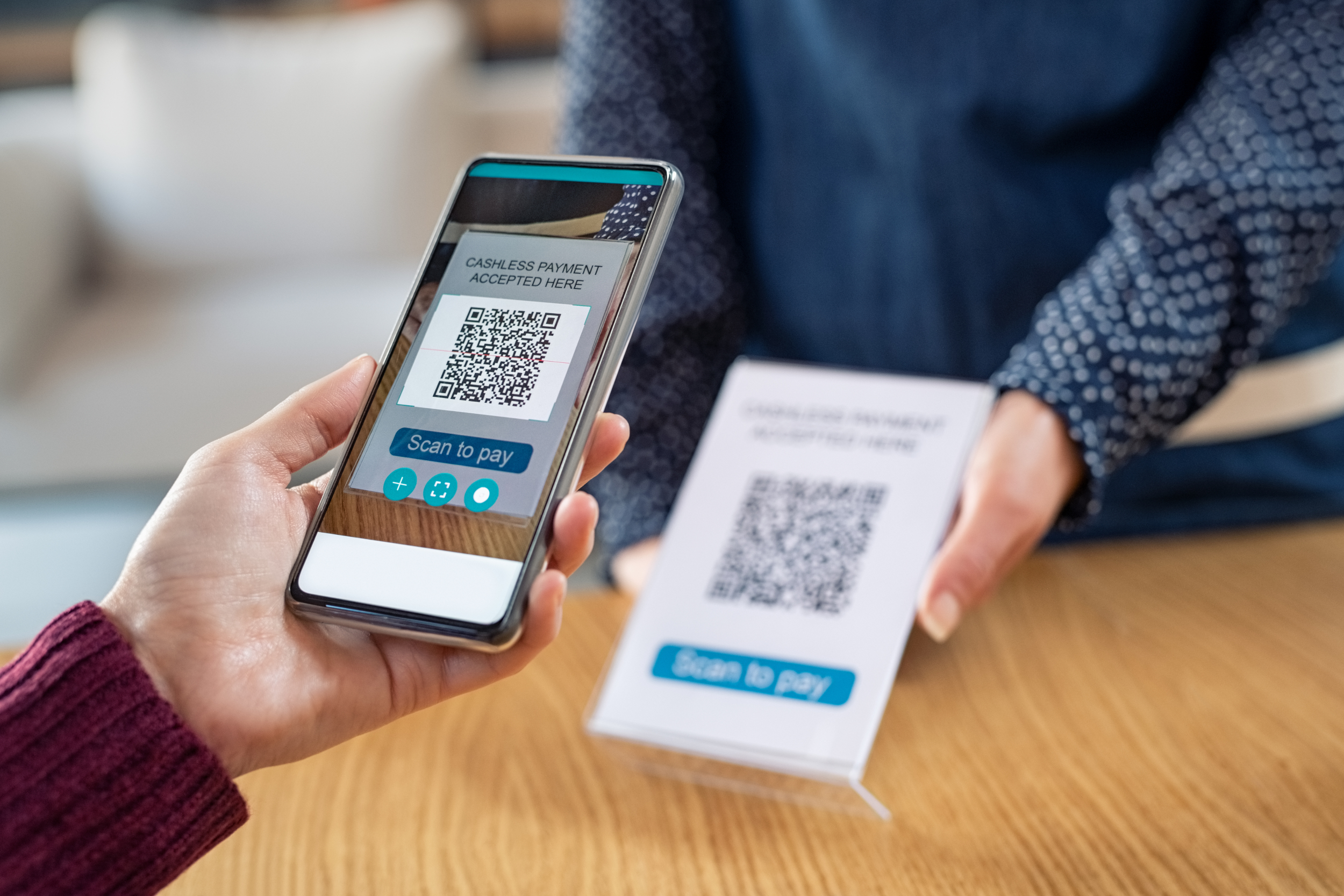
However, bridging the gap between a five-decade-old hardware infrastructure and the high-tech future cannot happen overnight, creating a complex, messy transition period for brand owners and manufacturers. Because checkout scanners currently deployed in millions of retail stores worldwide are primarily designed as legacy 1D laser readers, brands are caught in a logistical purgatory. During this multi-year bridge to Sunrise 2027, packaging designers are forced to accommodate both the old linear barcode and the new 2D matrix code simultaneously on product labels. This dual-coding requirement introduces brutal design challenges, particularly for small items, compact cosmetics, and specialty goods where packaging real estate is already fiercely contested. Brands must carefully negotiate this awkward adolescence of retail tech without cluttering their packaging or alienating consumers.
The deeper, more profound revolution, however, lies not in the physical printing of the code, but in the software shift that accompanies it. Unlike static 1D codes that merely transmit a static product identification number to a local cash register, modern 2D barcodes function fundamentally as live, scannable URLs. This single technical leap transforms the humble product label from a passive piece of packaging into an active, software-driven tool capable of bridging the physical item directly to the cloud. When a consumer or a supply chain manager scans a 2D code with a smartphone or a modern imager, it opens a dynamic gateway to rich digital content, authenticity verification, supply chain provenance, and interactive brand experiences.
This transition from physical print to dynamic software management means that brand owners can no longer treat packaging as a one-time manufacturing cost. Instead, companies must build and maintain robust backend digital infrastructure for every single product they release into the wild. Managing real-time data routing, compliance updates, and consumer engagement portals requires specialized technical capabilities that most traditional consumer goods companies do not possess in-house. Consequently, this has triggered a massive surge in strategic partnerships between product brands and specialized compliance platforms, creating an entirely new ecosystem of software providers dedicated to keeping the world's inventory digitally connected.
Ultimately, the impending arrival of Sunrise 2027 represents a transformational framing of modern commerce. Through intelligent curation of global standards and a cultural understanding that modern consumers demand absolute transparency, safety, and digital integration, the retail industry is shedding its analog skin. As the last traditional 1D barcode is finally phased out of existence, it will make way for an era where every single item on a store shelf tells a complete, verifiable story—proving that the future of retail is not just about selling products, but about connecting data, trust, and human lives with absolute precision.