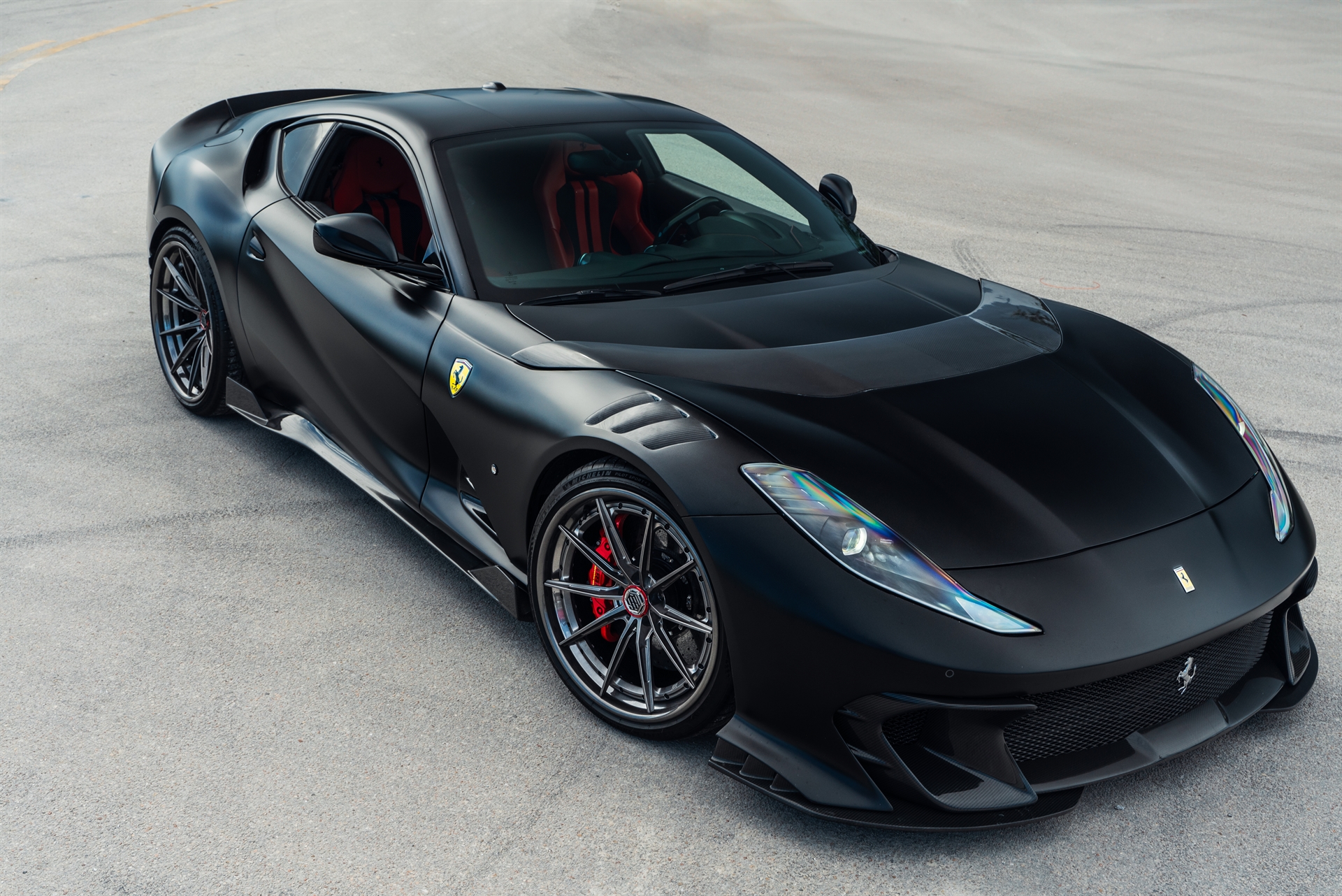
Taming the invisible forces of fluid dynamics has become the signature engineering pursuit of Ferrari as the manufacturer turns environmental resistance into a strategic competitive advantage on both land and sea. This mastery begins with a fundamental understanding of aerodynamics, the branch of science focusing on how gases interact with moving bodies through perpendicular forces like lift and downforce, and parallel forces such as aerodynamic drag. At the heart of this discipline is Bernoulli’s principle, which dictates that as the speed of a fluid increases, its pressure decreases. While aviation uses this principle to split airflow and create upward lift, the Ferrari contribution to automotive engineering involves doing the exact opposite: creating a pressure vacuum under the car to generate downforce, or aerodynamic load. This "magical" force allows a vehicle to maintain high grip during high-speed cornering without the performance-hindering penalty of added physical weight.
Related article - Uphorial Shopify

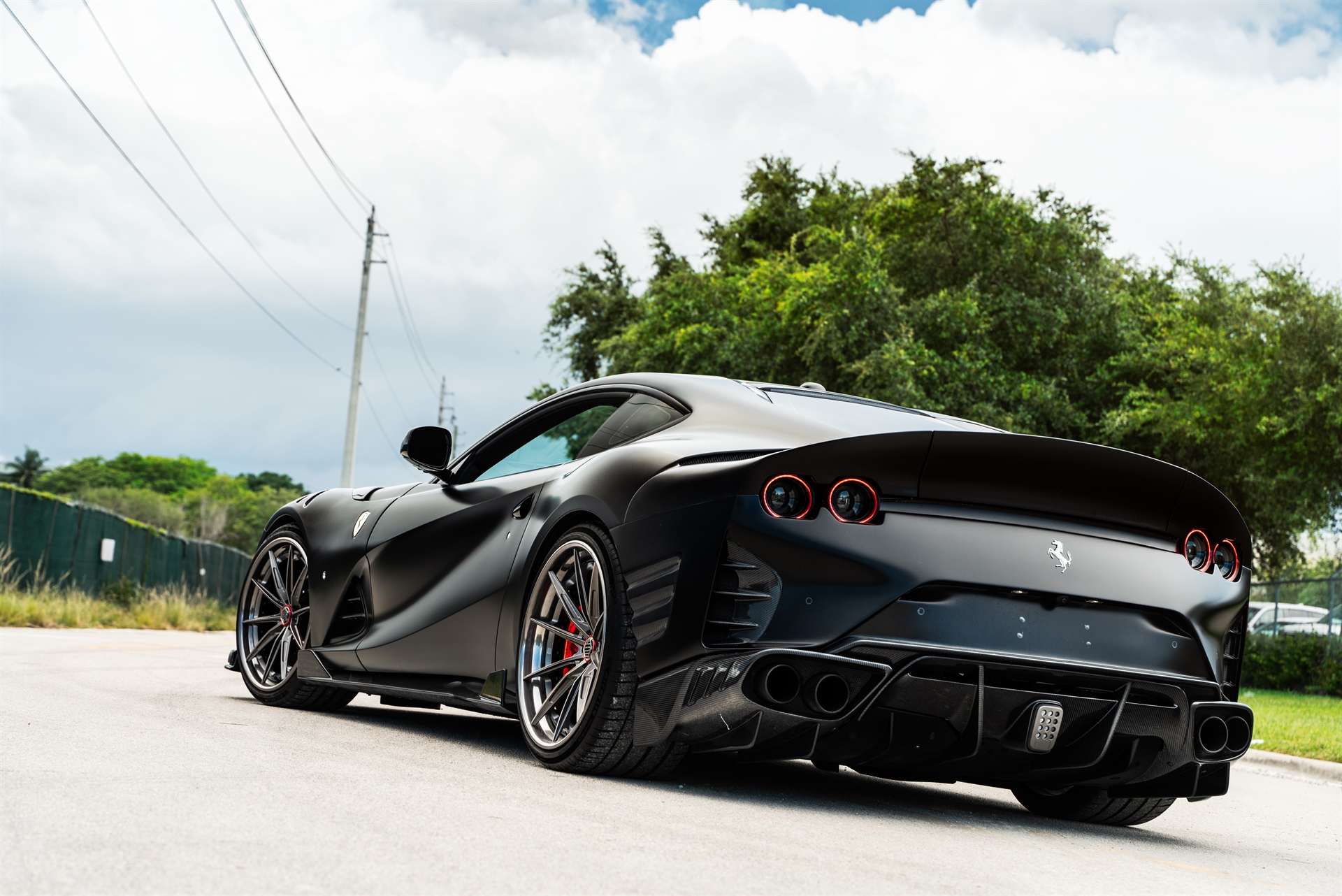
The Ferrari Enzo pioneered a revolutionary approach in the early 2000s by implementing active aerodynamics, a system that autonomously modifies a car's components—such as movable spoilers and nose flaps—to manage the Venturi effect while in motion. By narrowing the conduit through which air flows to increase speed and lower pressure, Ferrari engineers consolidated these solutions into models like the 849 Testarossa, where the underfloor alone accounts for 35% of the total downforce. Today, the pinnacle of this research is the Ferrari F80, which achieves 1,050kg of downforce at 250km/h. This record-breaking efficiency is made possible by a full carbon fiber chassis, allowing for complex aerodynamic shapes that were previously impossible with traditional aluminum or multi-material chassis.
The challenges of fluid dynamics are even more pronounced in water, which is 800 times denser than air and generates significantly higher friction. To overcome this resistance, high-performance boats use foils—underwater wings—to lift the hull and effectively "fly" above the surface. Leveraging over seventy years of racing expertise, Ferrari is now applying its carbon fiber technology to enter the world of sailing, proving that the principles of lift and thrust used in boat design share a common lineage with the downforce that pins a racing car to the track. In the high-stakes world of Formula 1, this load can reach a staggering 4,000kg, allowing drivers to withstand 5g’s of acceleration, a force significantly higher than the inertial pressure felt by astronauts during a space shuttle takeoff. Ultimately, by continuously refining the balance between downforce and drag, Ferrari remains a pioneer of cutting-edge technological revolutions that turn the air we move through into a tool for unprecedented speed.