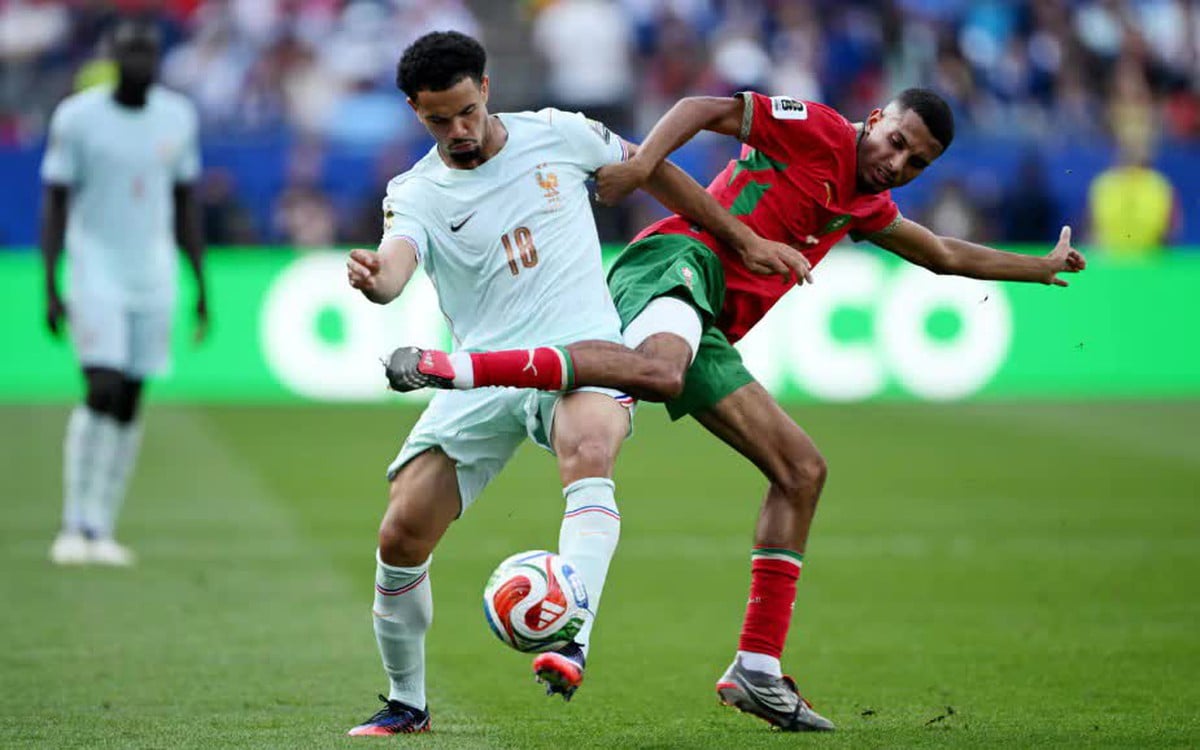
BOSTON - The atmosphere at Boston Stadium on the day of the 2026 FIFA World Cup quarterfinal between France and Morocco was electric, a collision of two footballing philosophies that resonated far beyond the confines of the pitch. For France, a squad built on the bedrock of tactical sophistication and championship pedigree, this was a contest of consolidation. For Morocco, a team that had already captured the global imagination, it was an opportunity to redefine the narrative of African football on the world’s most prestigious stage. As the players emerged from the tunnel, the tension was palpable—a silent acknowledgment that the path to the semifinals required not just talent, but an absolute commitment to tactical discipline and emotional fortitude.
The match ignited with a frantic, high-stakes intensity that suggested the gravity of the occasion had bypassed the customary feeling-out period. Within the opening exchanges, the sheer pace of Kylian Mbappé provided a constant, destabilizing threat to the Moroccan backline. When Mbappé drew a penalty following a sharp challenge from Noussair Mazraoui, the stadium held its collective breath. It was a moment of supreme theatre, a chance for France to seize early control of the game’s psychological flow. However, Yassine Bounou, acting as the ultimate guardian of the Moroccan goal, executed a save that felt like an act of defiance. By denying Mbappé, Bounou did more than just preserve the scoreline; he signaled to his teammates that the French offense, for all its lauded precision, was human and, crucially, fallible.
Related article - Uphorial Shopify
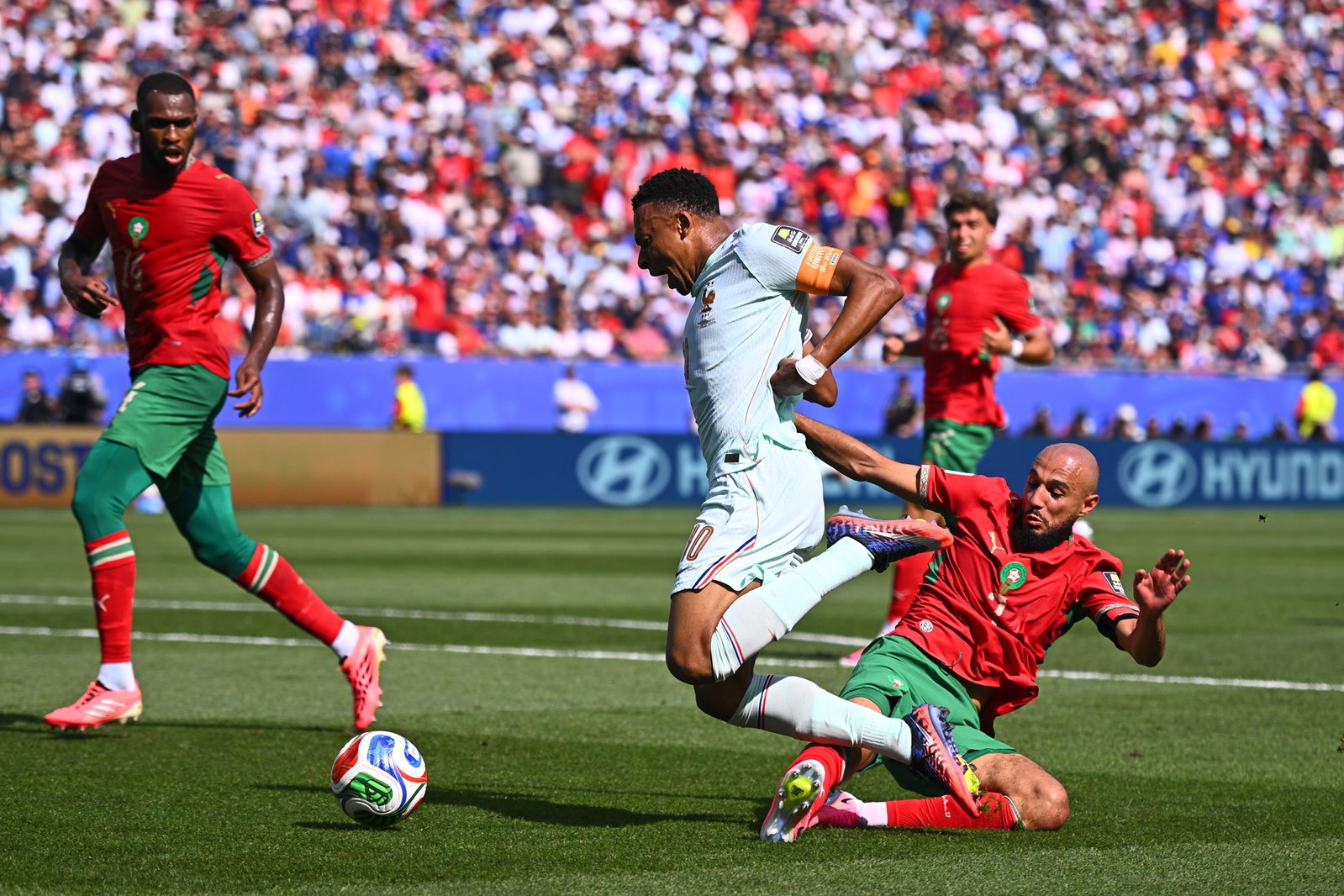
Throughout the remainder of the first half, the match evolved into a duel of goalkeeping brilliance. Bounou’s performance was nothing short of heroic, characterized by a series of instinctive, high-degree-of-difficulty saves that kept Morocco firmly tethered to the possibility of victory. On the other side of the pitch, the French defense operated with a clinical, almost cold detachment, neutralizing Moroccan counter-attacks before they could develop into true threats. It was a half defined by the tension between France’s relentless, methodical pressure and Morocco’s resilient, organized defensive structure. The tactical sophistication displayed by the French side was evident, yet it was matched stride-for-stride by the collective heart of a Moroccan team that played with the weight of an entire continent’s expectations on their shoulders.
As the second half commenced, the game transformed into a high-intensity battle of attrition. The space on the field tightened, and every challenge carried the weight of a season’s worth of effort. France continued to press, their offensive fluidity creating moments of genuine danger. A strike from Mbappé, which sailed agonizingly over the crossbar, served as a reminder that the French side was operating on the precipice of a breakthrough. Yet, Morocco refused to buckle, their attacks becoming increasingly direct and daring as they sought to find the decisive moment that would turn the tide. The stadium became a chorus of competing loyalties, the roar of the crowd echoing the urgency of the players on the field.

The conclusion of the match, with France ultimately securing their passage to the semifinals, was the result of a performance that validated their status as tournament heavyweights. It was a victory won through incremental pressure and the tactical discipline to endure a period of sustained Moroccan resistance. However, the true legacy of the night lies in the transformational framing of Morocco’s journey. By standing toe-to-toe with one of the world’s most formidable teams, they cemented their role as an ambassador for the African game. Their resilience and the exhilaration of their performance provided a bridge between cultures, demonstrating that the global appeal of football lies in its capacity to elevate the underdog to the status of a giant-slayer.
In the final analysis, the match in Boston was a testament to the beautiful, punishing nature of tournament football. For France, it was a confirmation of their readiness to reclaim the title, a display of professional excellence under fire. For Morocco, it was a heartbreaking, yet deeply honorable, exit that left an indelible mark on the 2026 World Cup. As the French squad prepares for the semifinals, they carry with them the lessons of a hard-fought battle, while the Moroccan team returns home with the knowledge that they did more than just compete—they captivated the world, proving that on any given night, in any stadium, the spirit of football remains the most powerful force in the game.