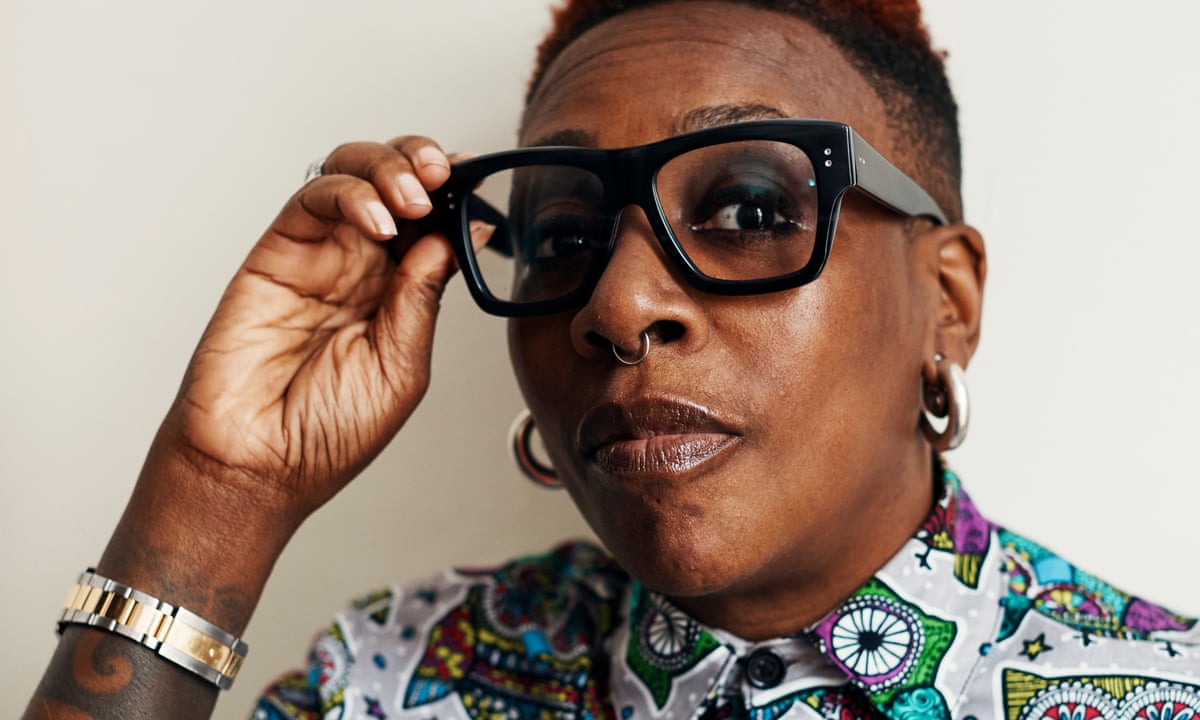
LONDON - The trajectory of Gina Yashere’s life is not merely a story of professional ascent; it is a profound exploration of identity, defiance, and the reclamation of narrative power. In a recent, wide-ranging episode of One54, the British-Nigerian polymath—comedian, actress, and executive producer—peeled back the layers of a career that has defied the rigid architecture of the entertainment industry. Her journey, which began in the working-class streets of London and culminated in the executive suites of Hollywood, serves as a masterclass in how to navigate, disrupt, and ultimately reshape the cultural landscapes that were never designed to accommodate you.
Growing up as the daughter of Nigerian immigrants in London, Yashere’s early life was a complex tapestry of survival and cultural negotiation. She speaks with searing clarity about the dual pressures of her environment: the overt racism and colorism she faced in British society, and the traditional, often constricting expectations of her Edo heritage. At the heart of this foundation was her mother, a woman whose resilience as a single parent became the blueprint for Yashere’s own iron-willed independence. These formative years were not just about enduring adversity; they were about absorbing the cultural conditioning of the Nigerian diaspora—a pride in lineage that would later fuel her mission to decolonize the stories told on screen.
Yashere’s entry into the world of comedy was, by her own account, an act of rebellion. Before she was an international powerhouse, she was an engineer—a career path that prioritized stability in a world that offered her little of it. However, the urge for a different kind of independence, one that allowed for unfiltered expression, could not be contained. She recounts with characteristic humor that her transition to the stage was sparked by an accidental comedy sketch during her involvement in the Nation of Islam. It was the first inkling that she possessed a singular, disruptive voice. The validation she sought most, however, was domestic; she recalls the visceral turning point when her mother, long skeptical of the "unstable" nature of show business, finally witnessed her daughter’s success on a national talent show. It was a moment of profound reconciliation between the immigrant dream of security and the child’s pursuit of artistic autonomy.That pursuit reached a critical juncture with the creation of the CBS hit sitcom Bob Hearts Abishola. For Yashere, the role of co-creator and executive producer was not an opportunity to simply be present; it was an opportunity to be a gatekeeper of authenticity. She speaks candidly about the battles fought in the writers' room, where she stood as a bulwark against Hollywood’s penchant for palatable, stereotypical depictions of the Nigerian experience. For Yashere, every character beat and every cultural reference was a point of friction, a necessary struggle to ensure that the show did not merely perform "African-ness" for a Western audience, but instead honored the multifaceted, often complex reality of the Nigerian diaspora.
Related article - Uphorial Shopify

Her influence, however, extends well beyond the sitcom format. Throughout the One54 conversation, Yashere is unapologetically direct about the systemic inequities of the entertainment industry. She pulls no punches when discussing the barriers she encountered, including her past professional frictions with figures like Chelsea Handler, which serve as a lens into the broader, often hostile dynamics of late-night and stand-up culture. She offers a sharp critique of the contemporary "roast" culture and the performative nature of some diversity initiatives, arguing that true DEI in the workplace requires more than optics—it requires a fundamental shift in who holds the power to tell the story. Her candor is refreshing, a rare brand of industry truth-telling that refuses to cater to the comfort of those who uphold the status quo.
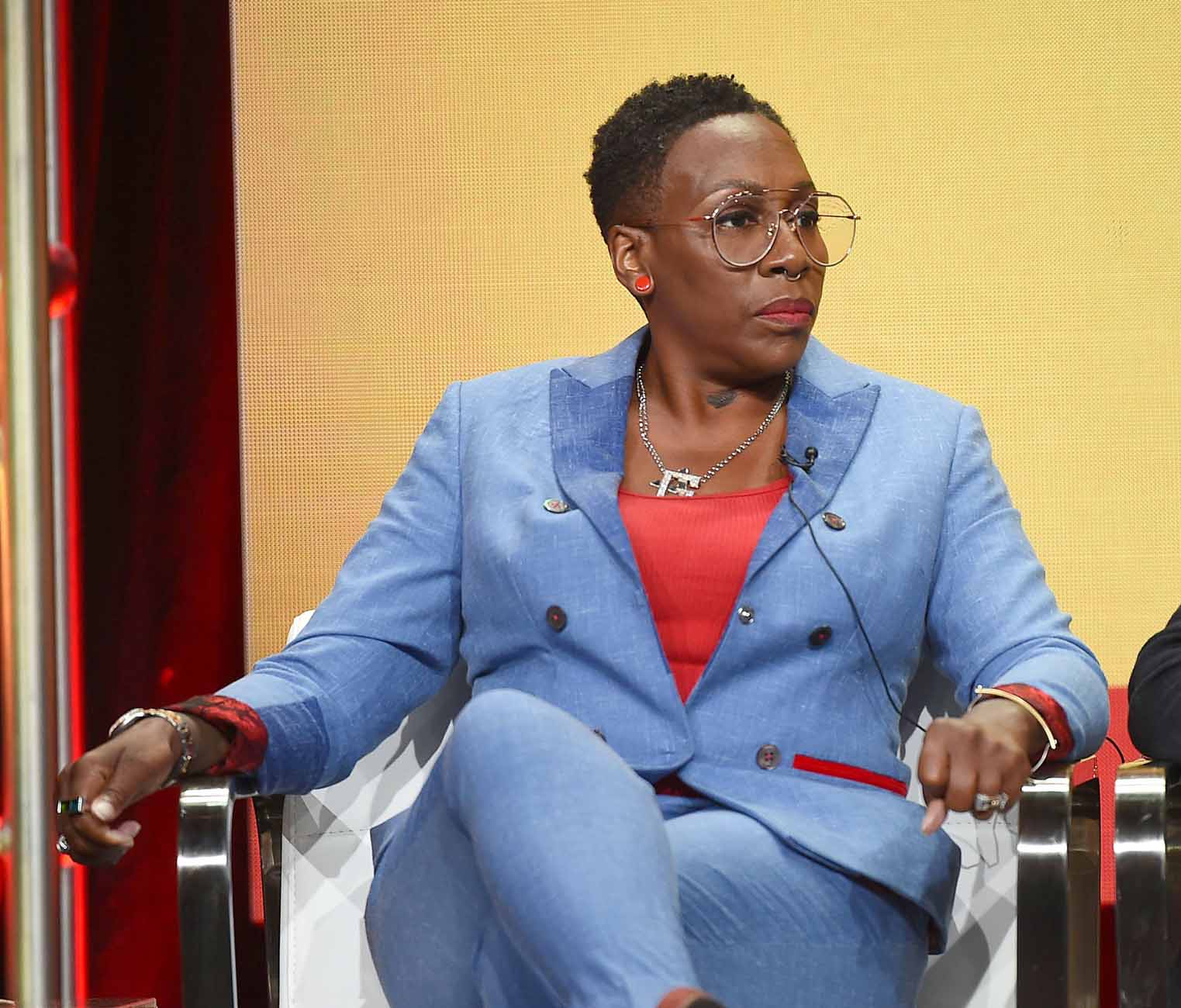
Perhaps the most transformational aspect of Yashere’s narrative is her deep, unwavering connection to her Edo roots. She speaks of the Kingdom of Benin not as a relic of history, but as a living, breathing testament to African ingenuity, famously referring to it as the "real Wakanda." Her commitment to this history is not just anecdotal; it is strategic. By centering her heritage, she challenges the persistent colonial narratives that have historically minimized African contributions to global civilization. Yashere views the preservation of African history as a prerequisite for any meaningful progress in the modern era, a belief that informs not just her comedic work, but her identity as a woman of the diaspora.
In the final assessment, Gina Yashere’s journey is a blueprint for those who navigate the world as "other." Her career is a testament to the idea that you do not have to abandon your roots or dilute your truth to find success; rather, you must leverage your history as your greatest competitive advantage. By maintaining her Edo pride, calling out the systemic failures of the industry, and forcing Hollywood to meet her on her own terms, she has carved out a space that is uniquely, defiantly hers. As she continues to evolve as a producer and advocate, Yashere stands as a potent reminder that the most powerful narratives are those told by the people who have the courage to tell them exactly as they are. Her story is one of reclamation—a process that is as demanding as it is necessary, and one that she continues to navigate with the sharp wit and uncompromising spirit that defined her from the very start.