The atmosphere at the stadium was thick with a specific, hard-earned kind of hope—the sort that only accumulates over nearly three decades of yearning. When Scotland took the pitch against Haiti for their group stage fixture of the 2026 FIFA World Cup, the weight of history was arguably more formidable than the opponent. For the Tartan Army, this was not just a match; it was an attempt to exorcise the ghosts of the past and reclaim a narrative that had been dormant for twenty-eight years. In the end, the 1-0 victory did far more than secure three points; it validated a generational shift in Scottish football and offered a cathartic release to a nation that has long defined its relationship with the sport through the lens of endurance and tempered expectation.
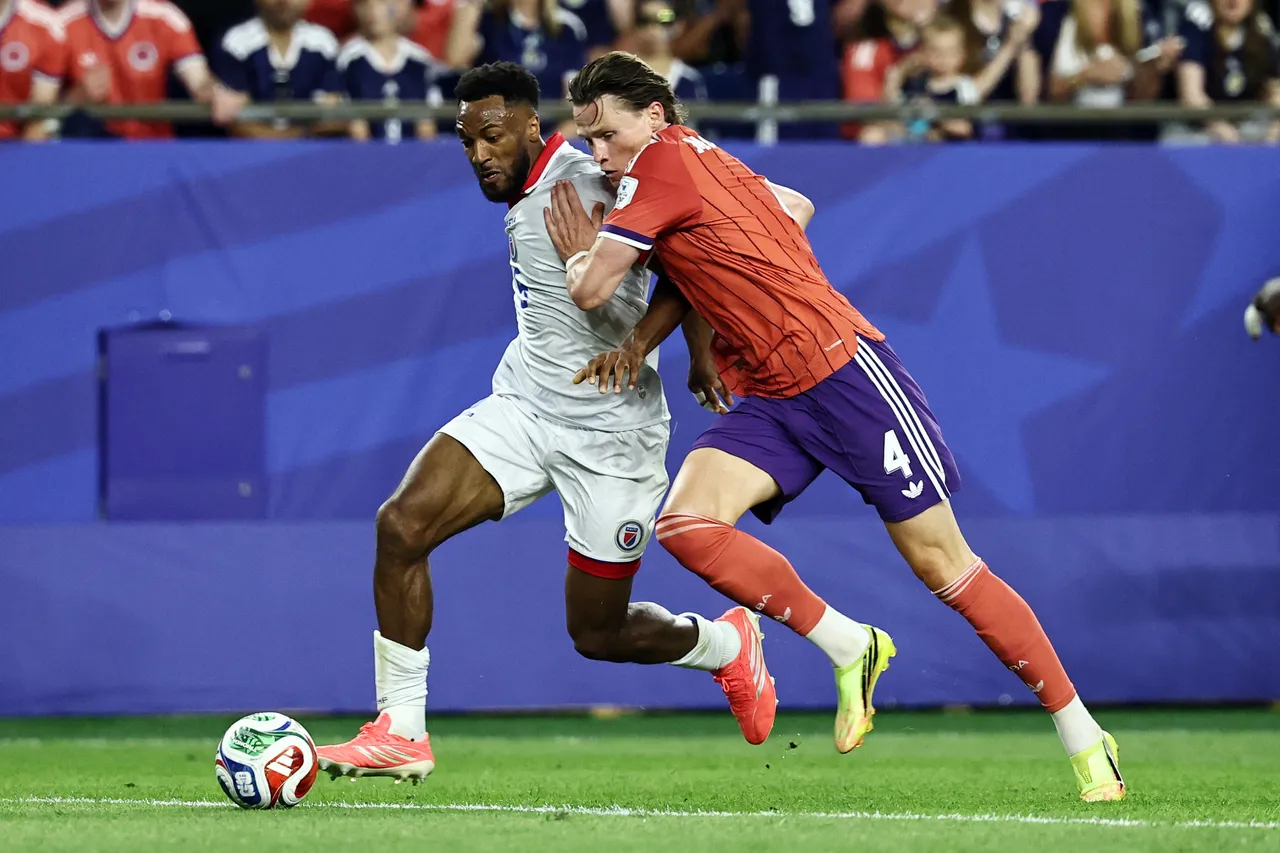
From the opening whistle, the intensity was immediate and unyielding. Scotland, under clear instructions to impose their physical and tactical will, surged forward with a hunger that caught the Haitian side momentarily off guard. The Scottish offensive was relentless, characterized by a series of high-pressing maneuvers that forced the Haitian defense into hurried clearances. There was a palpable sense of destiny in the air, particularly when a thunderous Scottish strike rattled the upright—a moment that sent a collective gasp through the stands and served as a stark reminder of how thin the line between frustration and glory can be.
Related article - Uphorial Shopify

Haiti, however, proved to be far more than a footnote in this historic narrative. Throughout the encounter, they displayed a resilient, counter-attacking spirit that repeatedly tested the Scottish backline. The Caribbean side’s ability to transition from defense to attack was seamless, frequently carving out dangerous opportunities that forced the Scottish goalkeeper into moments of desperate, necessary brilliance. Their threat was consistent, manifesting in whipped-in set pieces and a late, agonizing header that sliced narrowly wide of the post, leaving the Scottish contingent in the stands to endure a frantic, heart-stopping final act.
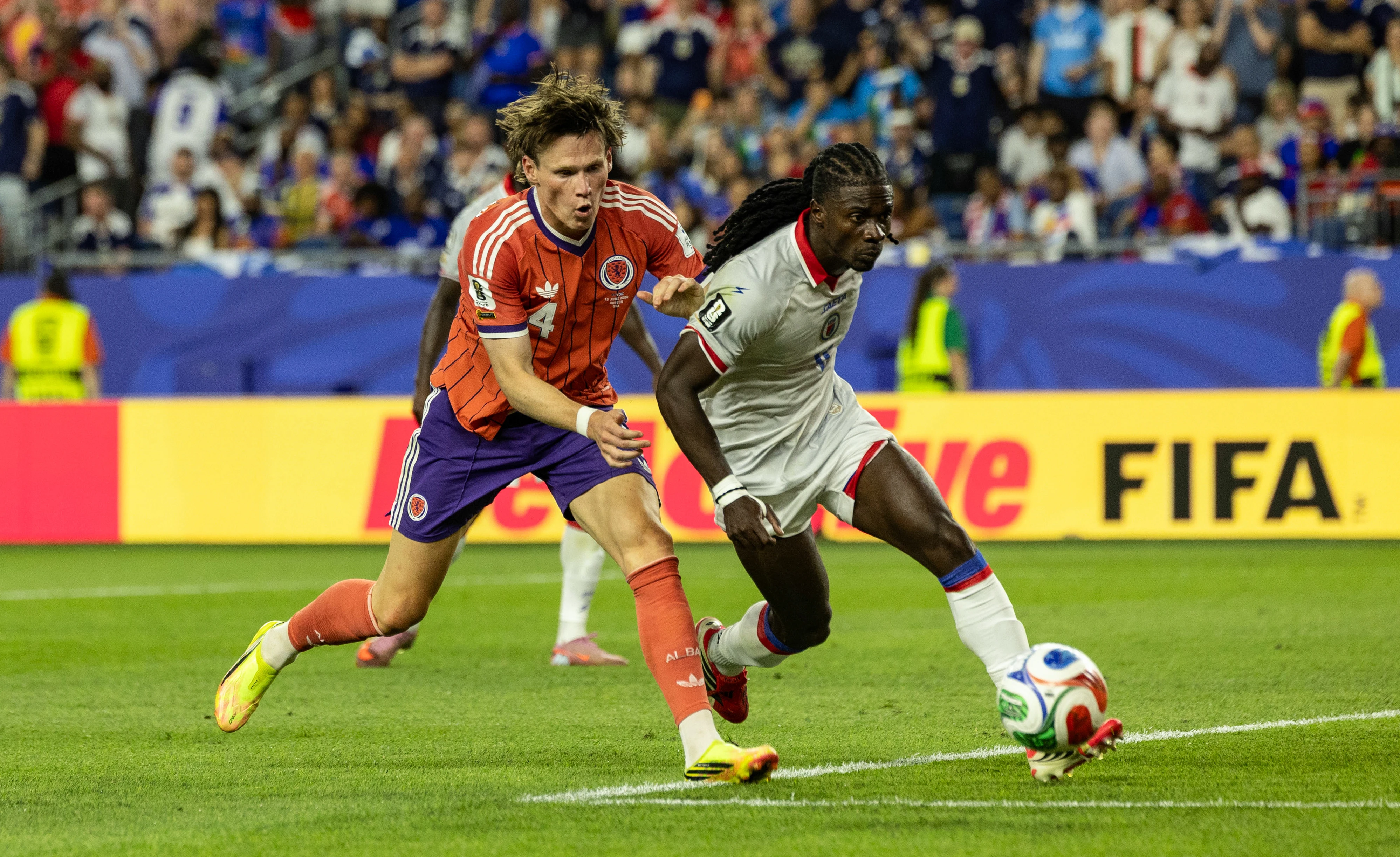
The decisive breakthrough arrived not through a moment of pure, aesthetic grace, but through the quintessential Scottish grit that has come to define this team’s identity. John McGinn, the heartbeat of the Scottish midfield, orchestrated the move that would alter the course of the nation’s sporting history. Engaging in a sequence of sharp, deceptive footwork that bypassed the Haitian defensive pressure, McGinn carved a lane toward the edge of the box. His subsequent strike was aided by a cruel deflection—a chaotic variable that left the Haitian goalkeeper grasping at shadows as the ball found its way into the net. It was a goal that felt written by the forces of persistence, a messy, magnificent manifestation of a team that simply refused to be denied any longer.As the final whistle blew, the emotion was visceral. There were no elaborate celebrations at first, merely a stunned, collective realization that the long wait had finally concluded. This victory marked Scotland's first win at a World Cup finals in twenty-eight years, an epoch that spanned the childhoods and careers of those now celebrating on the pitch. To witness it was to witness a transformational framing of the Scottish program; they had finally moved beyond the historical baggage of past failures to secure their own moment of relevance on the global stage.
The significance of the result resonates beyond the scoreline. For a team that has frequently been characterized by its near-misses, this win represents a maturation. It signals a shift in the collective mindset, proving that this iteration of the squad is capable of navigating the immense psychological pressure inherent in tournament play. They held their nerve, weathered the storm of Haiti’s late resurgence, and ultimately executed when the moment demanded it most.As the fans began their long, jubilant trek out of the stadium, the conversation was already shifting from the relief of the victory to the possibilities that lie ahead. The 2026 World Cup, a tournament defined by the blending of cultures and the emergence of new contenders, had provided Scotland with their bridge to the future. They have proven that they are not merely participants, but active architects of their own success. The wait is over, the ghost of 1998 has been laid to rest, and for the first time in nearly a generation, Scotland walks into the remainder of the tournament not with the shadow of history trailing behind them, but with the full, unadulterated confidence of a side that knows exactly who they are and what they are capable of achieving.