In the rarefied air of contemporary African royalty, where tradition and modernity frequently collide, the intersection of leadership and personal expression requires a unique kind of stewardship. As Her Majesty, Olori Atuwatse III, Queen Consort of the Warri Kingdom, marked her 40th birthday in May 2026, the occasion served as more than a milestone in her life; it became a masterclass in the power of professional partnership. At the center of this narrative is a decade-long alliance with Sandrah Tubobereni, the visionary founder of the couture house TUBO. This relationship, which began in 2016 when the Olori first sought a designer for her daughter’s dedication, has evolved into a cornerstone of the Queen’s public identity, culminating in a series of celebratory films that document not just a wardrobe, but a decade of shared vision and growth.
The documentary series, produced to commemorate the Olori’s milestone, offers an intimate portrait of a "Queendresser"—a title that transcends the traditional role of a stylist. For the Olori, Tubobereni has become a trusted expert capable of translating abstract concepts into tangible art. Their connection is described as intuitive, a symbiotic creative process where one woman’s vision for her life’s work is expertly articulated through the other’s mastery of textile and form. In an industry often characterized by fleeting trends and transactional relationships, the longevity of this partnership stands as a testament to the idea that behind every woman who commands a room, there is often a quiet, dedicated architect helping to sustain her presence.
Related article - Uphorial Shopify
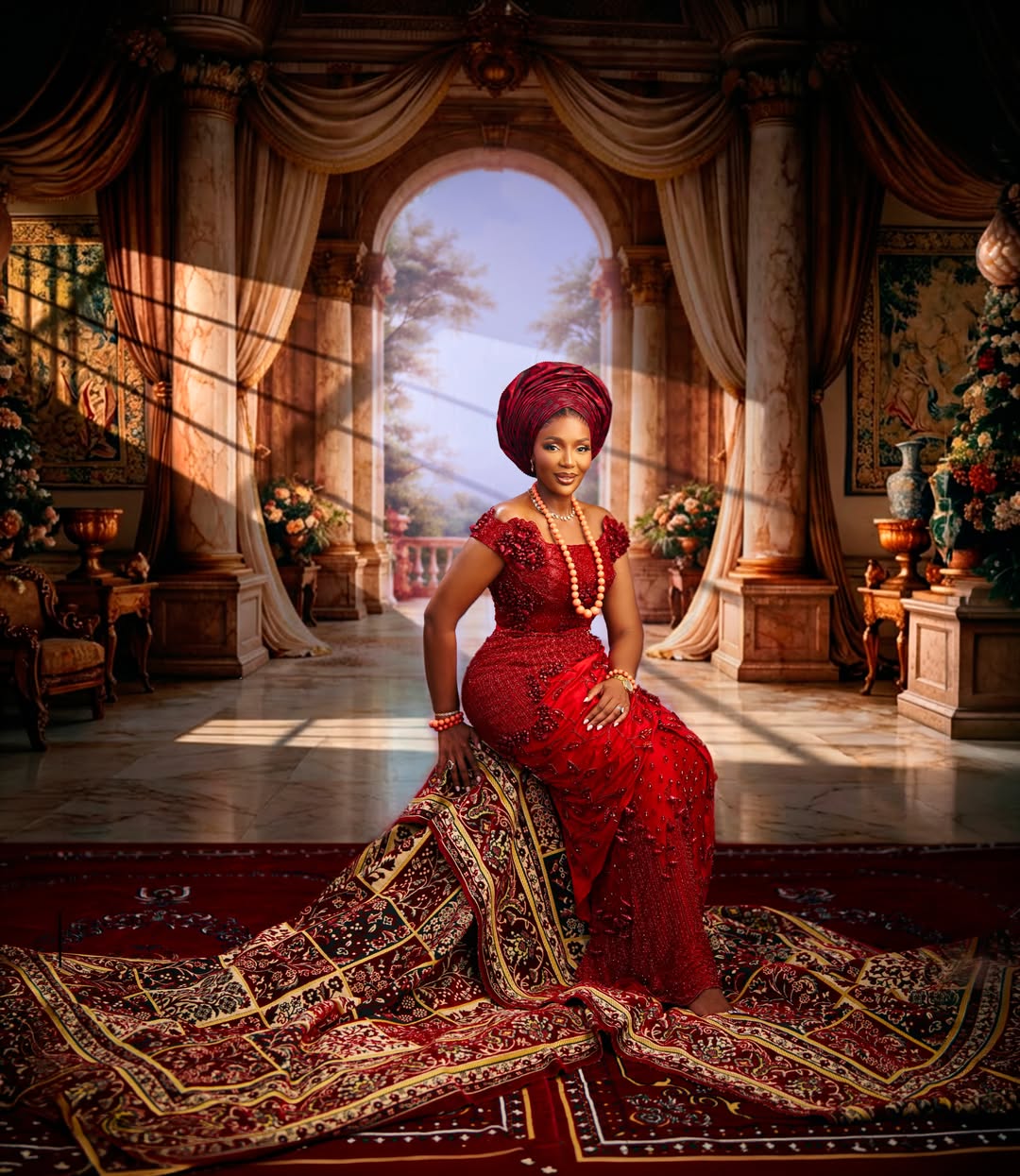

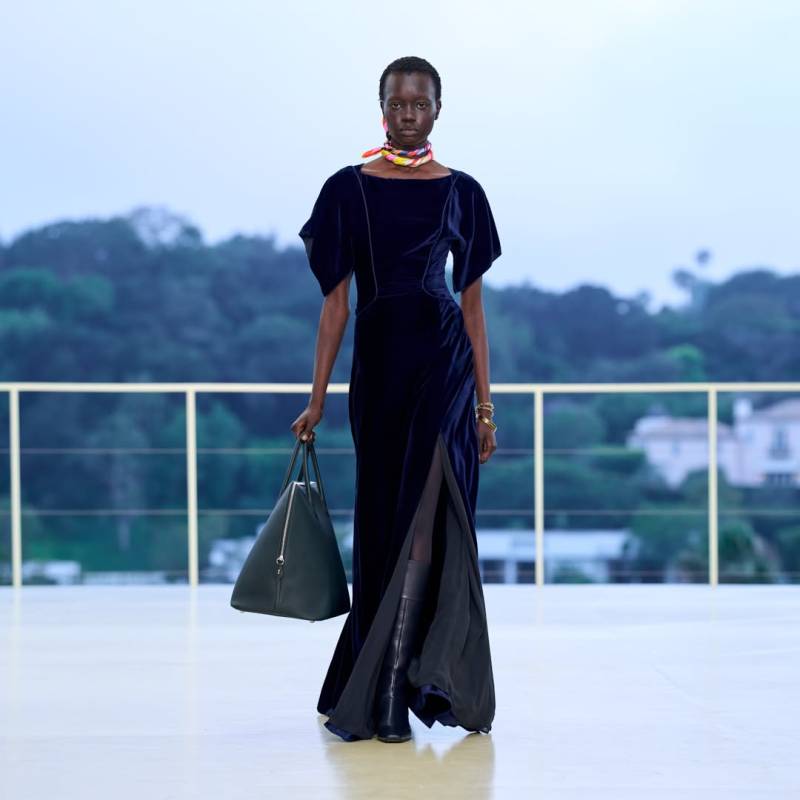
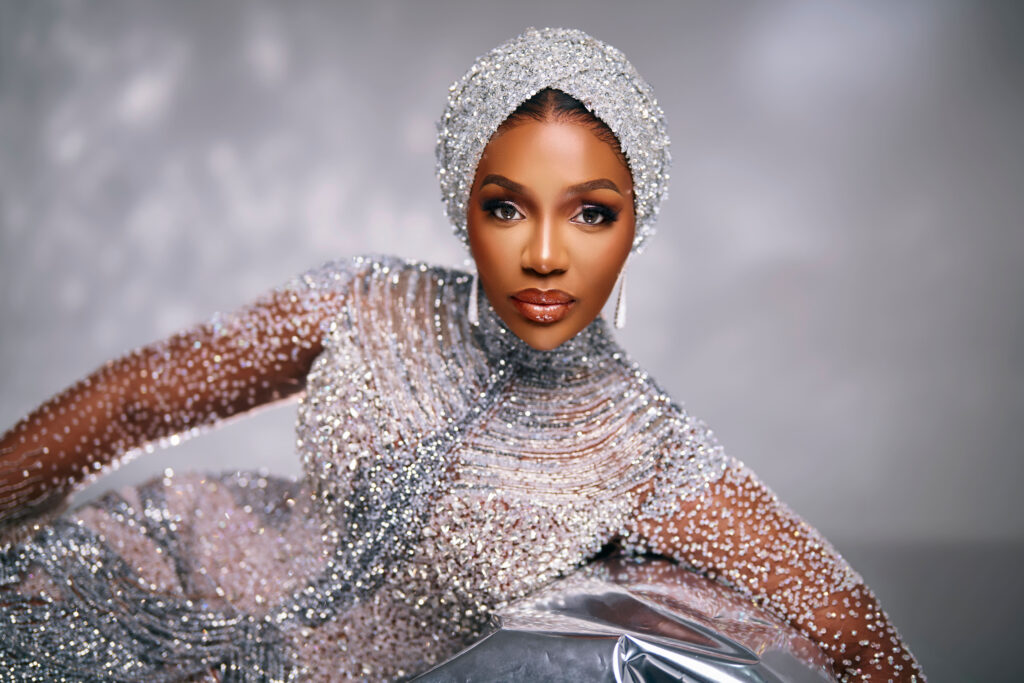
The birthday wardrobe itself was a narrative project, centered on the theme of "Elements." Every ensemble served as a piece of visual storytelling, meticulously crafted to honor the Olori’s roots in the Niger Delta. In one particularly poignant design, the couture house wove together symbols of the Warri Kingdom—raindrops, creeks, periwinkles, and seashells—creating a garment that functioned as a tribute to the riverine heritage and the industrial heartbeat of her home. By prioritizing African storytelling through bespoke couture, the Olori and her "Queendresser" have moved fashion away from the superficial and toward the profound, utilizing cloth as a medium for heritage conservation.Yet, to categorize this as a mere fashion retrospective would be to overlook the transformational framing of the Olori’s new decade. As she steps into her 40s, the Queen is clear about her intent: her focus has moved toward a more expansive mission for the African woman. Her vision is one of structural empowerment, with a priority placed on the girl child’s sense of identity and purpose. She speaks frequently of the need for an education that goes beyond literacy, aiming to ensure that women across the continent are valued first for their intellect, their leadership, and their voice. Fashion, in this context, becomes a gateway; it is the platform she utilizes to command attention, ensuring that when she speaks on governance, development, and community engagement, the world is already listening.
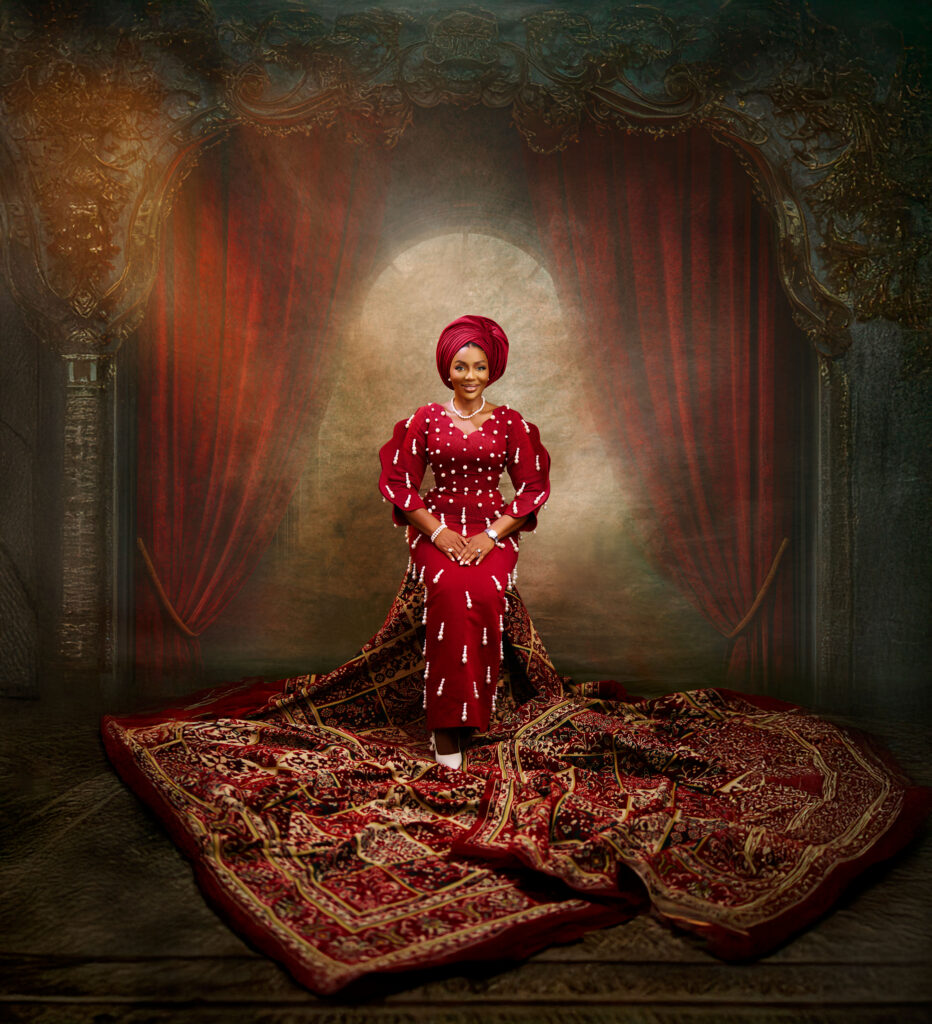
This 40th birthday was, in many ways, an assertion of the Olori’s maturity as a leader. Having spent years in the "stretching" and "pressing" seasons of royal life, she has emerged with a clarity of purpose that is reflected in both her humanitarian initiatives and her public image. Whether she is convening leaders for development forums or championing the 'Elevate Africa' initiative, her style consistently underscores a commitment to intentionality. It is a curated persona that serves a higher cause, proving that for a modern monarch, elegance is not merely an ornament—it is a tool.As the documentary series draws to a close, it leaves the audience with a broader reflection on what it means to be a woman in a position of significant influence. By honoring the partnership between a Queen and her designer, the narrative celebrates the necessity of collaboration. It challenges the myth of the "self-made" leader, instead highlighting the importance of the networks, the experts, and the silent partners who help sustain a vision over time. For Olori Atuwatse III, the past decade has been a period of preparation, and as she embraces her 40s, she does so with a wardrobe that tells the story of her past and a vision that is firmly set on the transformation of the continent’s future.