PERTH – The 2026 HSBC SVNS Vancouver tournament reached a fever pitch this weekend as two of the most dominant forces in world rugby, New Zealand and Australia, clashed in a gold medal final that will be remembered as a masterclass in athleticism and tactical composure. In a match that ebbed and flowed with the intensity of a championship heavyweight bout, New Zealand ultimately emerged victorious with a 24-17 win. The result not only secured the tournament's top prize but also extended New Zealand’s remarkable unbeaten record on Vancouver soil, solidifying their status as the team to beat in the current global circuit.
The match began with a statement of intent from the New Zealand side, who immediately seized the initiative through high-pressure play and clinical finishing. The early lead was established by Jamie Colossi, whose well-timed run allowed her to cross the white line for the opening try of the final. This initial surge was quickly bolstered by the standout individual brilliance of Georgia Miller. Throughout the encounter, Miller proved to be a dominant force, particularly in her role as a playmaker and defensive anchor. Her ability to power through the Australian defensive line provided New Zealand with a significant early cushion, putting the world-class Australian squad on the back foot from the opening whistle.
However, the Australian team demonstrated the resilience and grit that has characterized their 2026 campaign. Despite the early deficit, Australia refused to let the game slip away, maintaining a high level of physical pressure that eventually forced openings in the New Zealand defense. This persistence bore fruit just before the halftime break when Madison Levi found a gap to score, bringing Australia back within striking distance. The momentum shift at the end of the first half ensured that the gold medal remained very much in play, setting the stage for a second half defined by tactical adjustments and sheer determination.

Related article - Uphorial Shopify
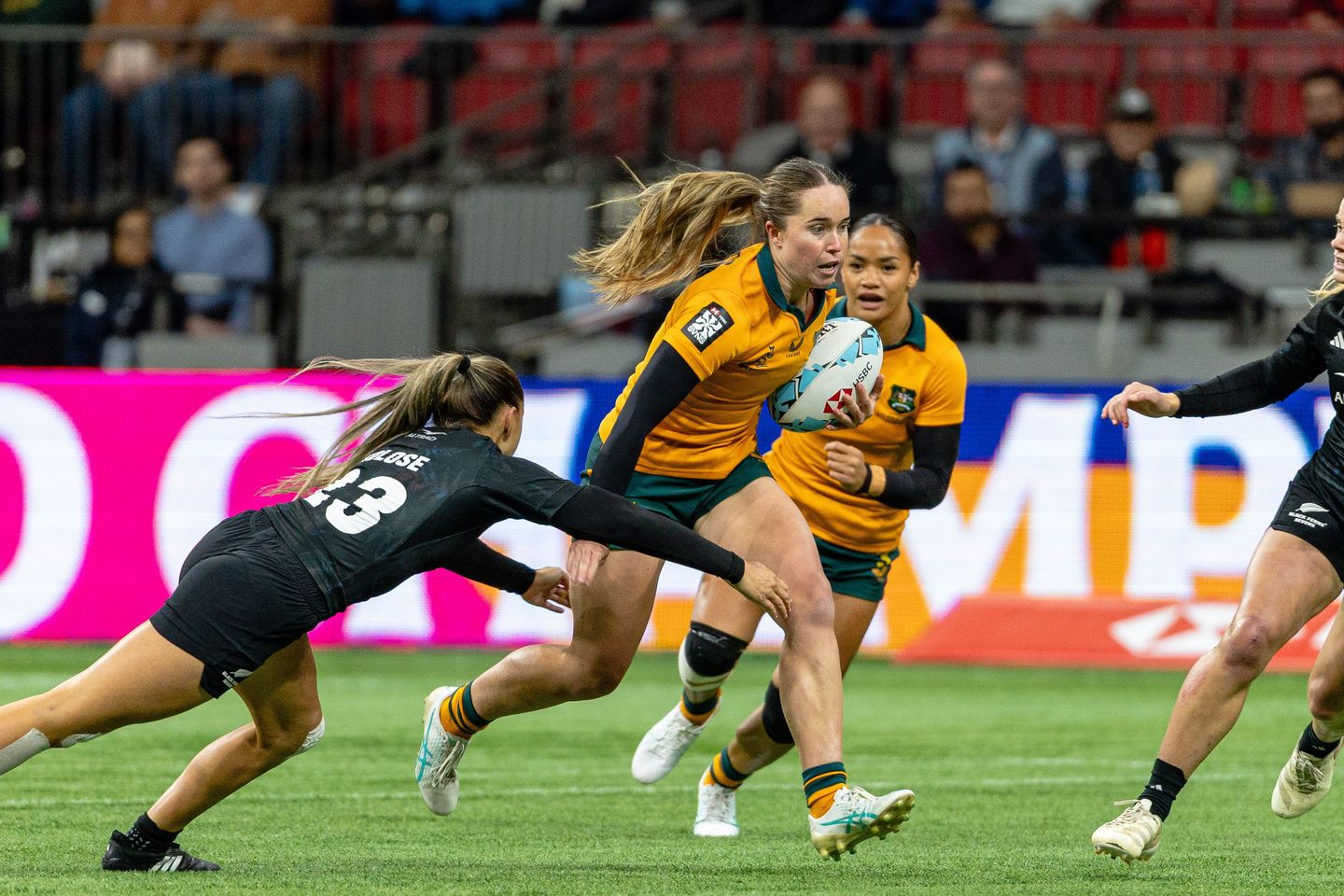
As the second half commenced, the competitive tension only intensified. New Zealand looked to reclaim their dominance early, with Caitlyn Vaholo crossing the line to extend their lead once more. Yet, the Australian response was both swift and fierce. Madison Levi, continuing her exceptional individual performance, secured her second try of the match to narrow the gap. As the clock ticked toward the final whistle, McKenzie Davis leveled the score, drawing the teams even at 17-17. The Vancouver crowd was treated to a rare spectacle: a gold medal final tied in the closing minutes, with both teams showcasing the peak of their physical and mental endurance.

The final moments of the match became a study in high-stakes decision-making. With the pressure at its maximum, New Zealand’s leadership core stepped forward to execute the winning play. The sequence was initiated by captain Reesei Pody Lane and the veteran presence of Stacy Waka, who combined to create a tactical opening in a tiring Australian line. Their combined vision allowed Elena Sili to break free and score the decisive try, reclaiming the lead for New Zealand. It was a moment of technical perfection that illustrated why New Zealand remains at the pinnacle of the sport—the ability to find the winning pass when the margin for error is non-existent.

In the aftermath of the score, New Zealand shifted into a disciplined defensive posture. Despite a final, desperate push from the Australian side, the New Zealand defense—anchored again by the tireless work rate of Georgia Miller—held firm. The final whistle confirmed the 24-17 result, sparking celebrations for a team that has turned the Vancouver venue into a personal fortress. While the gold medal went to New Zealand, the Australian performance was widely praised by analysts for its physicality and unwavering determination, as they kept the outcome uncertain until the very last second of play.
Ultimately, the Vancouver final served as a vibrant showcase for the current state of international rugby sevens. The match highlighted the narrow gap between the world’s elite programs, where a single tactical move or a moment of individual brilliance can be the difference between silver and gold. As the HSBC SVNS series continues, this rivalry between New Zealand and Australia remains the gold standard for the sport, promising more high-stakes encounters as the teams look toward the remainder of the 2026 season. For now, New Zealand reigns supreme in Canada, their unbeaten streak intact and their trophy cabinet further enriched.