The contemporary art world is frequently characterized by metropolitan exclusivity, where avant-garde ideas and multi-million-dollar exhibitions are sequestered within the glass-and-steel fortresses of global capitals like London, New York, and Basel. Yet, true cultural revolutions often begin far away from the commercial epicenters, sparked by visionaries who believe that art must serve as a living vehicle for social responsibility, historical inquiry, and community empowerment. In the sun-drenched savannah town of Tamale in northern Ghana, internationally acclaimed artist Ibrahim Mahama is fundamentally redefining what it means to create, exhibit, and share art. Through emotional precision, intelligent curation, cultural understanding, strategic storytelling, and transformational framing, this comprehensive news-style report explores a radical artistic practice that builds architecture, preserves memory, and repatriates capital directly to the people.
The cornerstone of Mahama’s groundbreaking methodology lies in the deliberate, highly physical repurposing of discarded, everyday materials that carry the invisible scars of global trade and colonial history. Rather than turning to traditional artist supplies, he rescues overlooked industrial artifacts—such as old jute cocoa sacks that once transported agricultural wealth across oceans and scrapped railway cars left behind by shifting infrastructures—transforming them into massive, thought-provoking installations. These monumental works do not merely sit passively in galleries; they tell searing, layered stories about labor, economic inequality, and the complex politics embedded in the movement of goods. Through emotional precision, the materials are reframed as living archives, capturing the sweat, toil, and historical burdens of the communities that handle them.
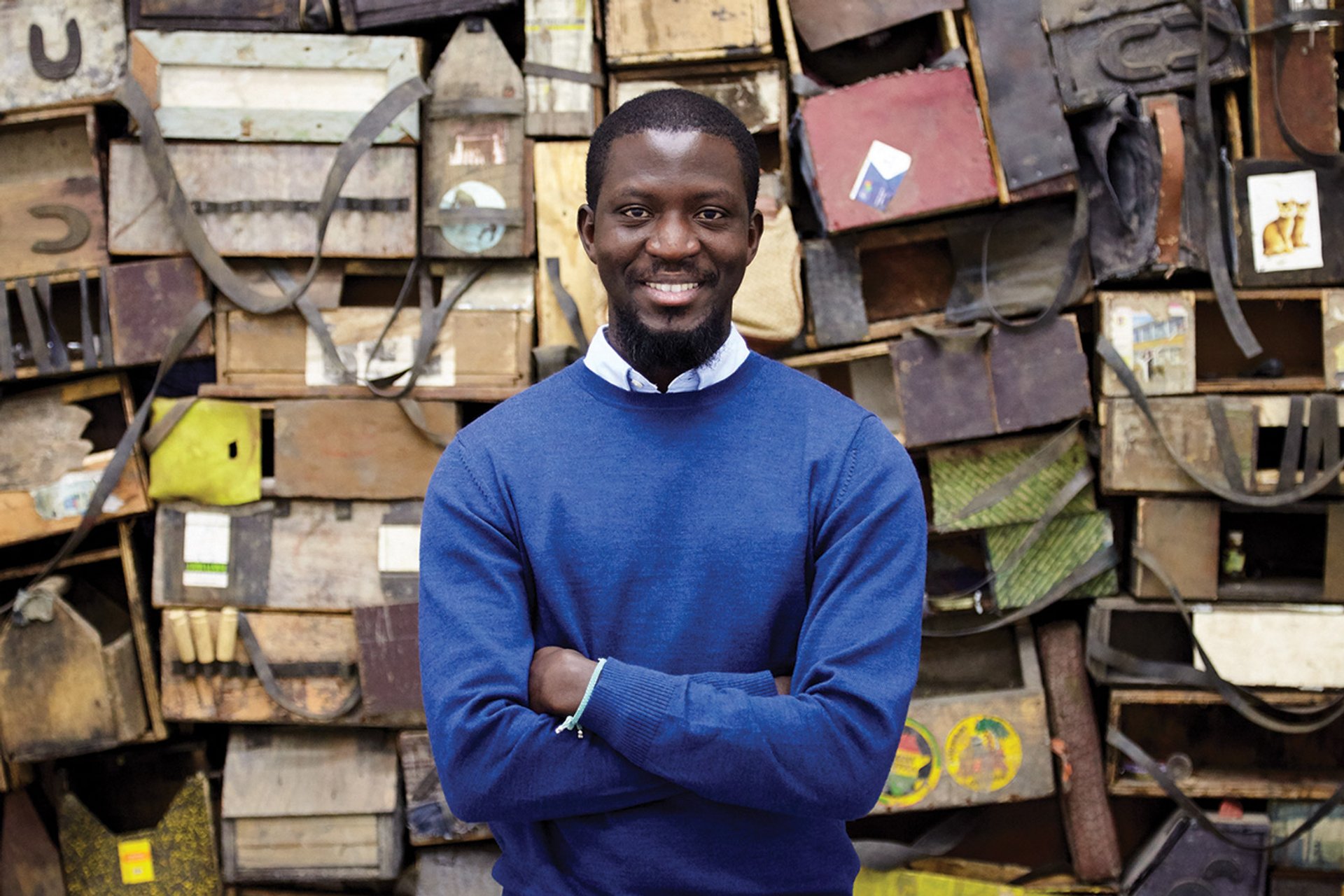

Refusing to follow the well-trodden path of migrating permanently to major Western art hubs, Mahama made the conscious, radical decision to invest his international acclaim, resources, and energy directly back into his home community in Tamale. Over the past decade, he has single-handedly constructed extraordinary cultural infrastructure from the ground up, founding the Red Clay Studio complex and the Savannah Center for Contemporary Art (SCCA). These expansive, beautifully designed spaces feature vast exhibition halls, research archives, and open-access galleries that are entirely free to the public, offering local residents and visiting school children a sanctuary to experience world-class art without traveling thousands of miles. Through intelligent curation, these institutions bridge the profound geographic and economic divides of the global art ecosystem, ensuring that contemporary creativity takes root where it is lived.
This institutional building is driven by a fierce, uncompromising philosophy regarding the role of the artist in society. Mahama actively rejects the ivory-tower detachment of the traditional art world, viewing art as an essential vehicle for criticality, political engagement, and social responsibility. His overarching mission is to repatriate capital back to his local community, support local craftsmanship, and inspire future generations to engage with global economics and politics through creative problem-solving. By turning abandoned industrial ruins, retired airplanes, and gutted railway carriages into interactive classrooms, libraries, and community gathering spots on the Red Clay grounds, he demystifies technology and history. Through cultural understanding of regional marginalization, these spaces transform neglected local heritage into a vibrant engine for intellectual and social progress.

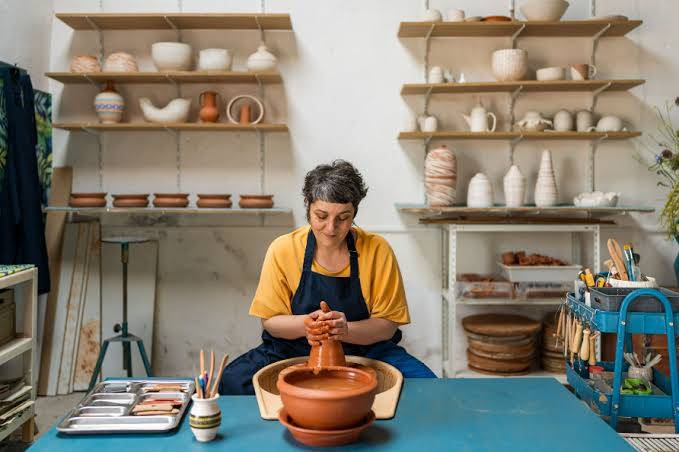
Expanding upon this deep reverence for material history, Mahama’s recent creative focus has turned toward the ancient world of traditional terracotta vessels, investigating a pressing contemporary crisis: the rapid disappearance of traditional craft techniques under the weight of mass manufacturing. In exploring these fragile earthenware objects, he highlights not only the beauty of ancestral craftsmanship, but also the poignant history of repair—how broken vessels are mended, valued, and carried forward across generations. Through strategic storytelling, the delicate process of shaping and restoring clay mirrors the broader human effort to mend fractured post-colonial societies, proving that dignity often resides in the things we choose to fix rather than discard.
Ultimately, Ibrahim Mahama’s multi-faceted creative ecosystem transcends the boundaries of standard fine art practice, offering a transformational framing of cultural production in the twenty-first century. Through emotional precision in honoring labor, intelligent curation of industrial materials, cultural understanding of regional heritage, strategic storytelling through architecture, and transformational framing of community stewardship, his work stands as an immortal monument to collective freedom. It serves as an unyielding reminder that true artistic greatness is measured not by the prices fetched in foreign auction houses, but by the depth of the roots planted in home soil and the doors opened for the generations yet to come.