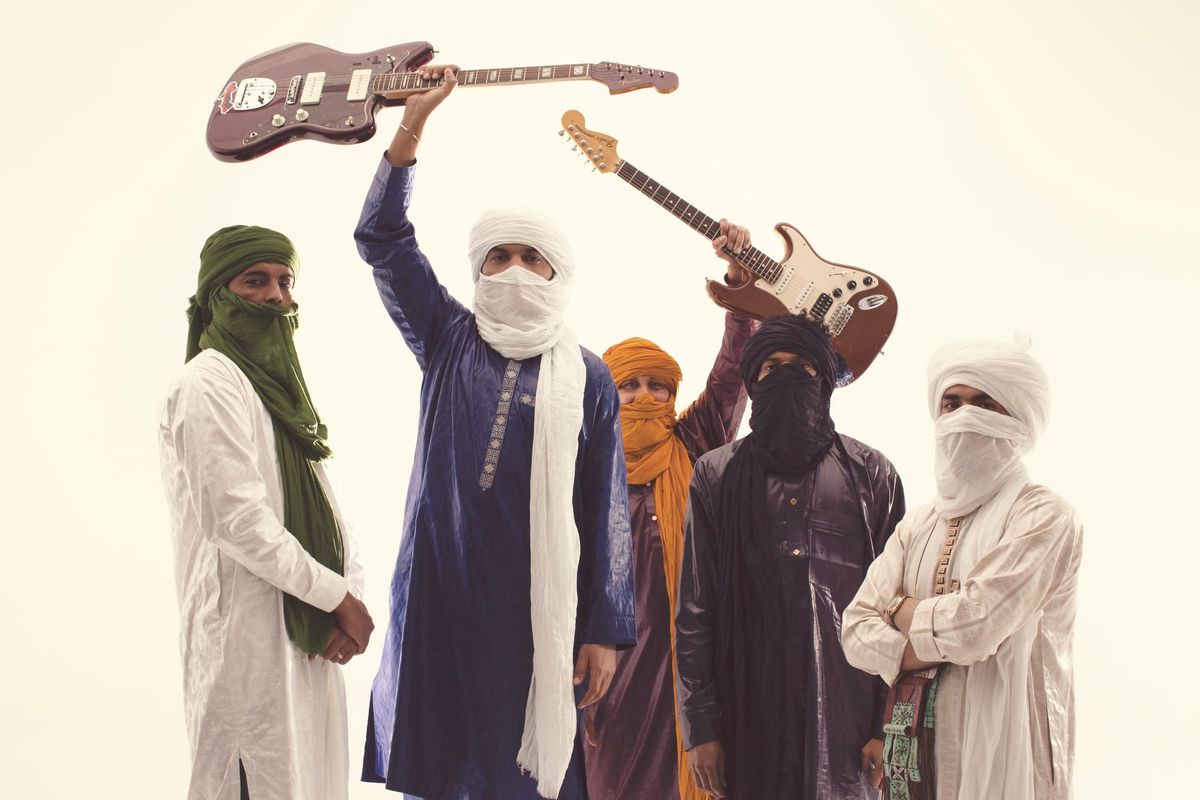
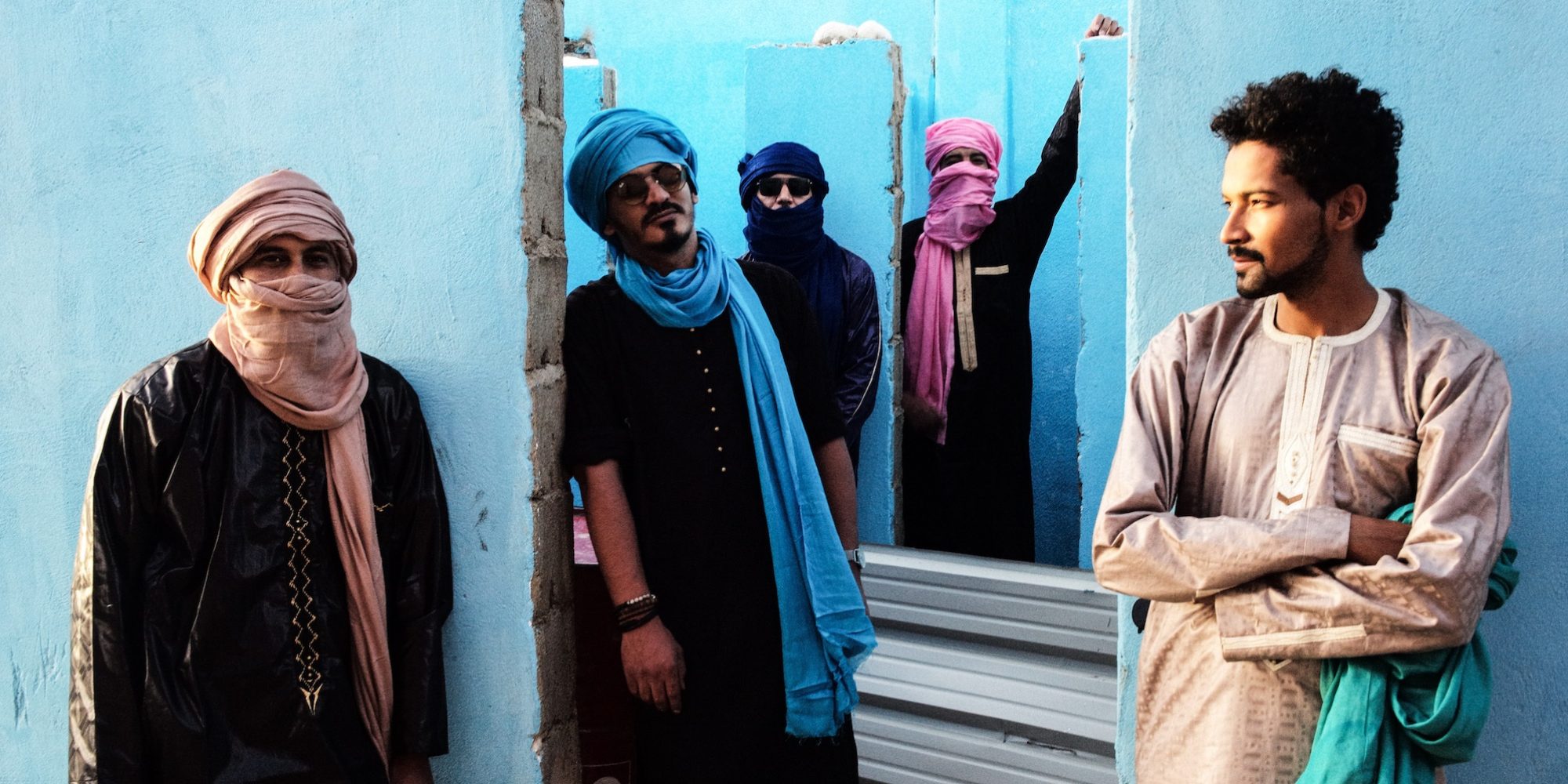
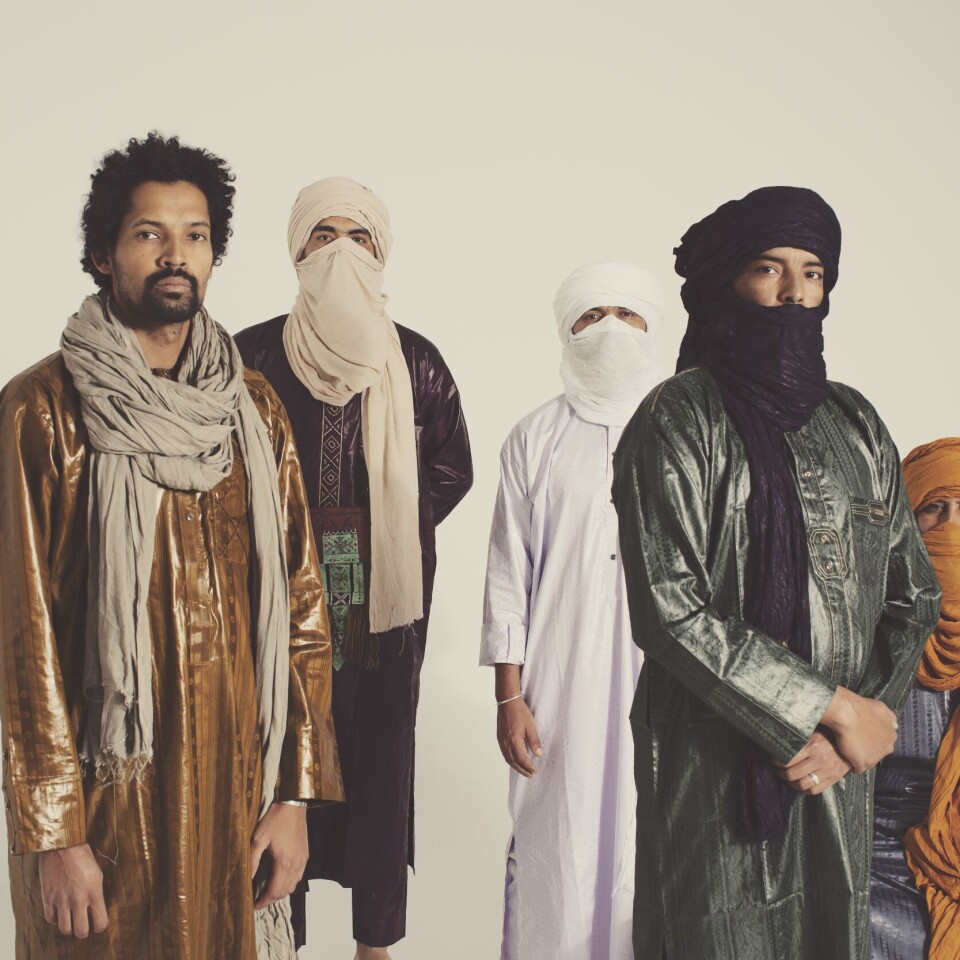
LONDON - In an era where the global music landscape often feels increasingly homogenized by the rapid algorithms of streaming platforms, a recent live studio session at the NTS Studio in London has emerged as a definitive report on the enduring power of cultural preservation and sonic evolution. The performance features the pioneering Algerian band Imarhan, captured in a rare, high-fidelity intimate setting as part of a landmark twentieth-anniversary celebration of their career. Leading up to the highly anticipated release of their fourth long-play studio album, Essam, the session serves as a transformational framing of what has come to be known as "desert blues." Imarhan has moved far beyond the boundaries of ethnomusicology to establish themselves as contemporary architects of sound. Through an intelligent curation of their extensive musical journey, the band authored a narrative that treats traditional music not as a fragile relic of the past, but as a living, breathing dialogue with the modern world.
The narrative arc of the NTS session is anchored by a deep cultural understanding of the Kel Tamasheq, or Tuareg, people, whose historical struggles and relationship with the Sahara Desert find a contemporary voice in Imarhan’s music. By blending traditional Tuareg musical structures and ancestral pan-African rhythms with the raw energy of Western pop and rock, the band engages in a sophisticated exercise of strategic storytelling. This session was not merely a promotional pitstop for an upcoming album; it was a visceral demonstration of twenty years of artistic resistance and migration. The emotional precision of the performance lies in how the band translates the vastness, the isolation, and the profound beauty of the desert into the confined, urban architecture of a London studio, proving that the most resonant music is often that which carries the unmistakable weight of a specific geographic and cultural home.
Related article - Uphorial Shopify
The session opened with the track Tellalt, a composition that immediately established the band’s signature desert blues style and set a high-stakes tone for the rest of the performance. From the first hypnotic loop of the electric guitar, Tellalt functioned as an auditory portal, stripping away the grey exterior of the city and replacing it with the sun-drenched, melancholic textures of Tamanrasset, the Algerian desert city from which the band hails. Imarhan’s approach to the blues is handled with an intelligent curation of tension and release; the guitars do not soar in a traditional rock fashion, but rather weave around one another in cyclical, interlocking patterns that mimic the rhythm of a desert caravan. This opening piece was a masterclass in atmosphere, demonstrating that their upcoming LP, Essam, is built on a foundation of technical mastery that has been sharpened by two decades of global touring and internal reflection.
As the session transitioned into its middle movement, the band introduced the track Assagasswar, a rhythmic tour de force that highlighted the telepathic level of interplay between the musicians. In Assagasswar, the fusion of pan-African rhythms and contemporary rock sensibilities moved to the absolute forefront of the report. The performance was characterized by a seamless, polyrhythmic dialogue between the traditional percussion, driving basslines, and call-and-response vocals that define Tuareg social music. The strategic storytelling here shifted from the isolation of the landscape to the communal joy of survival. Imarhan’s ability to maintain a tight, danceable groove while delivering lyrics steeped in social consciousness represents a profound cultural understanding of the dual role of the modern African artist—acting simultaneously as the guardian of community history and the instigator of cultural evolution.
The emotional precision of the anniversary session reached its peak with the closing performance of Adounia Tochal. This final track served as an elegant summation of the band's career trajectory, leaning heavily into their melodic and traditional influences while showcasing the refined production aesthetics that audiences can expect from Essam. Adounia Tochal is a composition that privileges the human voice and acoustic textures, allowing the band’s ancestral roots to shine through the modern amplification. The transformational framing of this track lies in its ability to feel simultaneously ancient and urgently present; it is a song that could easily be performed around a campfire in the Sahara or on the main stage of an international festival. By concluding the NTS session with such a grounded, melodic piece, Imarhan effectively closed the loop on their twenty-year history, reminding the world that no matter how far their music travels into the realms of rock and pop, their hearts remain anchored in the traditions of their elders. Ultimately, the report from the NTS Studio confirms that Imarhan stands as a monumental force in the contemporary global music ecosystem. The upcoming release of Essam is not just the next chapter in their discography, but a victory lap for a band that has spent two decades bridging the gap between continents, languages, and generations. By curating a live session that honors Tellalt, Assagasswar, and Adounia Tochal, the band has provided a vital service to the culture, demonstrating that traditional music can be modernized without losing its soul. As the final notes of the session faded into the studio silence, the lasting impression was one of profound creative authority, proving that the desert blues is not a static genre, but a limitless horizon of artistic possibility.