INDIA - The geography of human devotion frequently stretches into realms that defy conventional logic, challenging our deepest assumptions about endurance, sacrifice, and the capacity of the mind to conquer physical reality. Within the rich, ancient spiritual tapestry of India, the path of the sadhu—the holy ascetic who has willingly renounced all worldly desires, attachments, and comforts—represents the absolute pinnacle of this psychological and physical stripping away. Among the myriad austerities practiced by these revered seekers, few stories capture the global imagination with as much haunting intensity as the ascetics who have committed to holding their limbs aloft for decades, turning their own flesh into a permanent monument of prayer. To examine this extreme manifestation of faith is to step across the boundary separating modern rationalism from ancient mystical devotion, offering a profound lesson in emotional precision and cultural understanding.
To truly comprehend the weight of such a vow, one must first examine the cultural and psychological ecosystem from which it emerges. In Hindu cosmology, figures like Mahant Amar Bharati—who famously raised his right arm in 1973 and has kept it elevated ever since—did not undertake such an arduous path on a whim. Up until that pivotal year, Bharati lived an ordinary life as a middle-class clerk in New Delhi, a married man with children navigating the standard rhythms of worldly employment and familial obligation. Yet, struck by a profound spiritual awakening, he chose to walk away from everything he knew, dedicating his existence entirely to Lord Shiva, the primordial yogi and master of asceticism. Recognizing that his old life still held quiet tethers to his ego, he sought a radical, unshakeable rupture—a physical gesture so uncompromising that it would permanently sever his ties to terrestrial vanity and serve as an enduring, living prayer for global harmony and world peace.

Related article - Uphorial Shopify

The initial phase of such an extraordinary penance requires a level of psychological fortitude that borders on the incomprehensible. For the first two years, ascetics undertaking this path endure excruciating, relentless physical agony. The human body is naturally engineered to seek comfort and balance, and maintaining a limb in a vertical anti-gravity position induces violent muscle spasms, searing nerve pain, and chronic inflammation. Yet, through intelligent curation of their mental focus, these practitioners push past the threshold of raw suffering. Through deep meditation and unyielding spiritual resolve, they transcend the biological alarm bells of the nervous system. Over time, a remarkable biological transformation occurs: blood circulation shifts, muscles completely atrophy, tissues and cartilage dry out, and the arm becomes permanently locked in its elevated posture. What begins as an agonizing act of conscious will eventually ossifies into a permanent, immovable physical state, rendering the limb a rigid column of bone, skin, and faith.
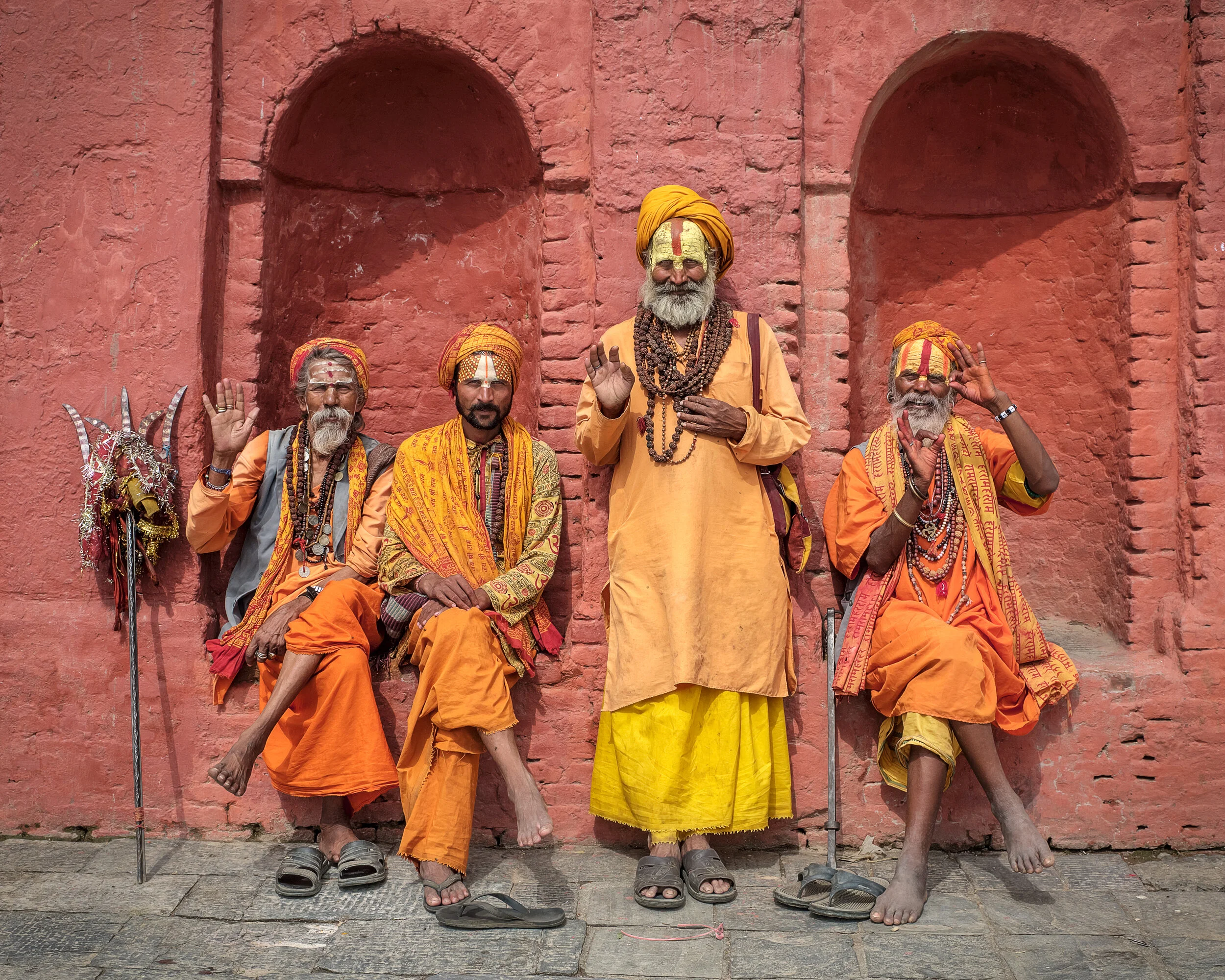
This transition from active torture to permanent monument introduces a powerful layer of strategic storytelling and transformational framing. To the casual observer, the withered, upright arm with its long, curling fingernails may appear shocking or morbid. However, within the traditional worldview of the Indian ascetic, the body is merely a temporary vessel—a cage of illusions to be mastered, transcended, and utilized in service of the divine. The ascetic no longer experiences the arm as a functional tool for daily labor; it has been transformed into a spiritual antenna, an eternal salute to the cosmos that continuously broadcasts a silent plea for an end to human conflict, hatred, and war. When asked why he endures such a life, the ascetic’s response is disarmingly simple: he asks why humanity wastes its energy fighting brothers against brothers, offering his own bodily sacrifice as a living counter-weight to worldly chaos.
Ultimately, the phenomenon of India's most extreme ascetics challenges the modern world to reevaluate its definitions of purpose and dedication. In an era obsessed with instantaneous comfort, digital convenience, and superficial metrics of success, these holy men operate on an entirely different temporal and spiritual frequency. They remind us that the human spirit possesses an unfathomable capacity to endure discomfort, reshape identity, and anchor itself to a higher ideal. As these silent sentinels walk the crowded dust of sacred festivals like the Kumbh Mela, their raised arms stand as stark, unyielding reminders that true devotion is not measured by the ease of our days, but by the depth of the sacrifices we are willing to make for the things we hold sacred.