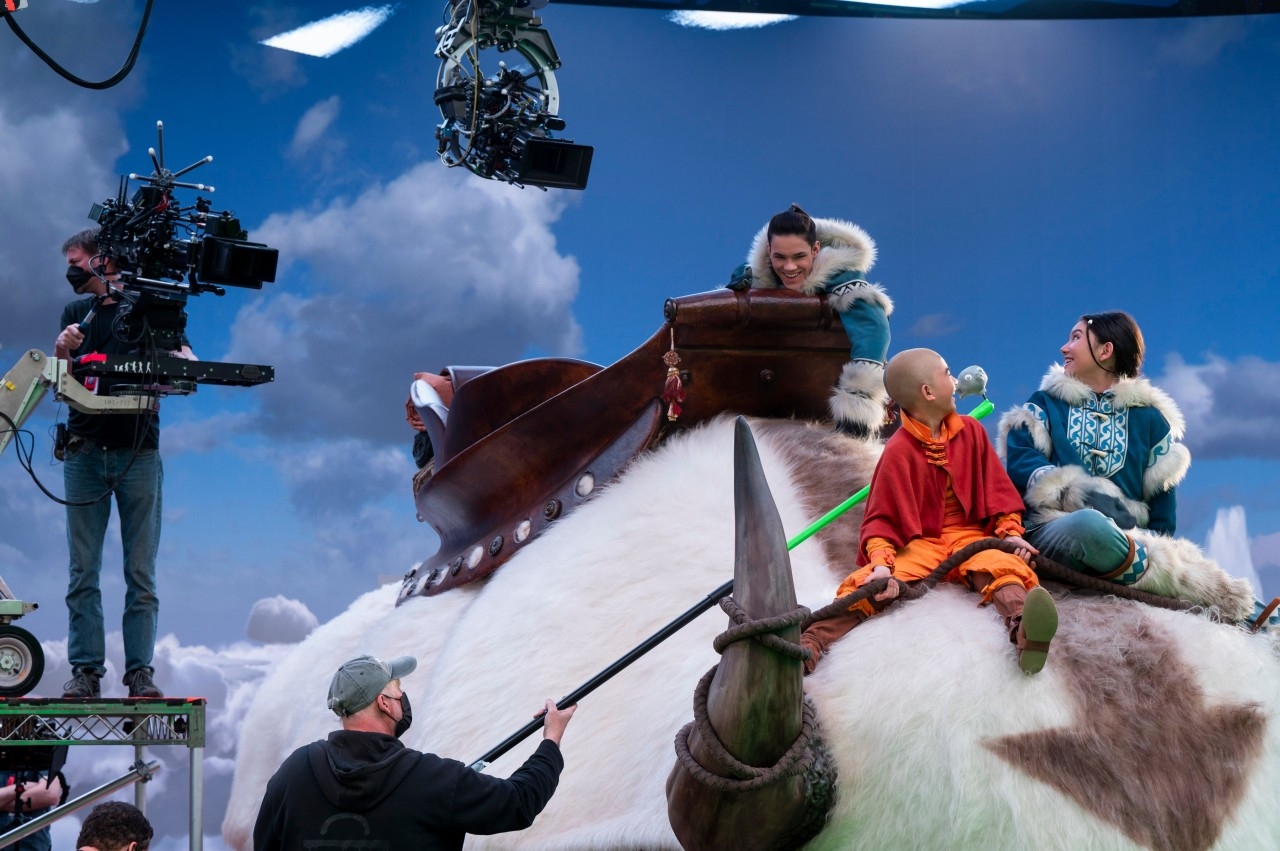
The sprawling soundstages and backlots dedicated to bringing monumental fantasy epics to life are often perceived by audiences as magical realms where complex visual worlds materialize effortlessly through the touch of a digital button and the wave of a director's hand. Yet, behind the polished sheen of the final broadcast product lies a grueling, highly synchronized human crucible where sweat, physical endurance, unrelenting discipline, and deep artistic vulnerability form the true bedrock of cinematic magic. This reality is brought into sharp, captivating focus in a comprehensive behind-the-scenes look at the production of the highly anticipated second season of the live-action adaptation of Avatar: The Last Airbender, a sweeping journey that reveals the immense physical, technical, and creative challenges required to translate animated mythology into living, breathing television.
At the very core of this colossal production is the meticulous art of stunt coordination and physical choreography, where action is not merely designed to look visually striking, but is crafted to tell a visceral story of conflict and survival. The production team works in relentless, grinding collaboration with the cast to build complex action sequences from the ground up, requiring actors to subject their bodies to rigorous conditioning and endless hours of rehearsal. Every flying kick, elemental manipulation, and evasive maneuver is mapped out with millimeter precision, laying bare the punishing physical demands placed upon performers who must bring legendary bending arts to life without the luxury of cartoon physics. It is an exhausting physical discipline that transforms young actors into dedicated tactical athletes.
Related article - Uphorial Shopify

That physical rigor is mirrored by an equally intense commitment to character preparation and internal exploration, ensuring that beloved, iconic roles retain their emotional authenticity and psychological depth. Young stars such as Gordon Cormier and Dallas Liu are captured in quiet, focused moments between takes, intensely refining their line deliveries, dissecting character motivations, and stripping away ego to connect with the raw truth of their roles. This dedication demonstrates the immense emotional labor required to inhabit characters burdened with saving the world or carrying the heavy baggage of familial expectation. They are not merely reciting dialogue; they are building a bridge of empathy between animated history and live-action reality, treating beloved source material with the profound respect it demands.
To bridge the gap between physical action and emotional resonance, specialized fight trainers guide the cast through a grueling regimen that harmonizes specific martial movements with precise emotional beats. Action in this universe is never mindless violence; it is an extension of character psychology, where frustration, anger, fear, and triumph are expressed entirely through motion. Trainers work tirelessly to ensure that every strike carries emotional intensity and authenticity, teaching the young ensemble how to breathe through exhaustion and anchor their fantasy combat in genuine human feeling. This synergy between physical training and emotional coaching elevates the choreography from standard Hollywood stunt work into an expressive language of movement.

Yet, amid the grinding hours, physical exhaustion, and immense pressure of meeting global fan expectations, the on-set atmosphere pulses with a vibrant, collaborative spirit that sustains the cast and crew through long, arduous shoot days. Candid behind-the-scenes footage captures the lighter, deeply human side of the production, filled with genuine laughter, shared camaraderie, and spontaneous bloopers that reveal the authentic bonds forming among the young ensemble. These moments of levity serve as an emotional pressure valve, reminding everyone involved that while the stakes of the fictional world are apocalyptic, the lived experience of creating art together is rooted in joy, mutual support, and youthful resilience.
Ultimately, this comprehensive glimpse into the making of the second chapter of the fantasy drama serves as a transformational framing of modern television production. Through strategic storytelling, intelligent curation of the creative process, and a deep cultural understanding of why these characters resonate so deeply with millions worldwide, the documentary report strips away the illusion of overnight success. It honors the blood, sweat, and tears of the hundreds of technicians, stunt coordinators, trainers, and actors who labor in the shadows of the soundstage—proving that the greatest magic in filmmaking is not generated by special effects, but forged in the crucible of human dedication.