YAKUTSK — In the Siberian heartland sits Yakutsk, a city that holds the title of the coldest urban center on Earth. Here, where winter temperatures routinely plummet to -64°C, architecture is not merely about aesthetic or comfort—it is a sophisticated technology of survival. A recent investigation by filmmaker Kiun B reveals a city defined by its diversity of housing, where every structure is a calculated response to the relentless permafrost and a climate that treats a heating failure as a terminal event. From aging wooden relics to high-tech modern towers, the residents of Yakutsk navigate a landscape where the cost of a warm home is the price of life itself.
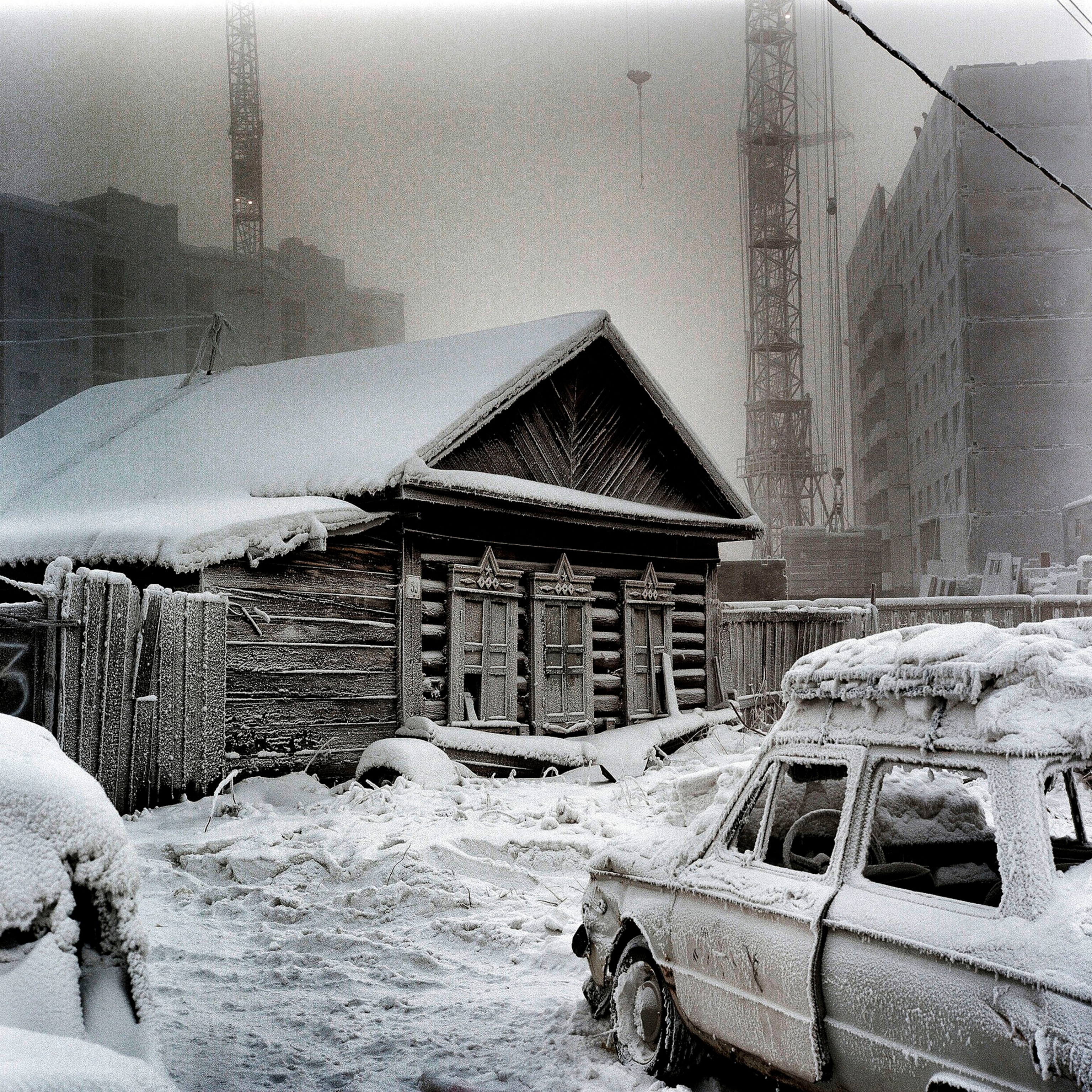
At the most vulnerable end of the spectrum are the old two-story wooden houses. Constructed in the 1960s and 70s, these buildings were originally intended as temporary housing solutions for a burgeoning workforce. Decades later, they remain inhabited by families who cannot yet afford the city's modern expansions. These homes are a constant battlefield against the elements; they often lack indoor plumbing and suffer from significant structural shifting as the frozen ground beneath them heaves. For residents like Katarina, life in these "temporary" structures means a daily struggle to seal cracks against the infiltrating Siberian air and managing the logistical nightmare of external water and waste systems in a deep freeze.
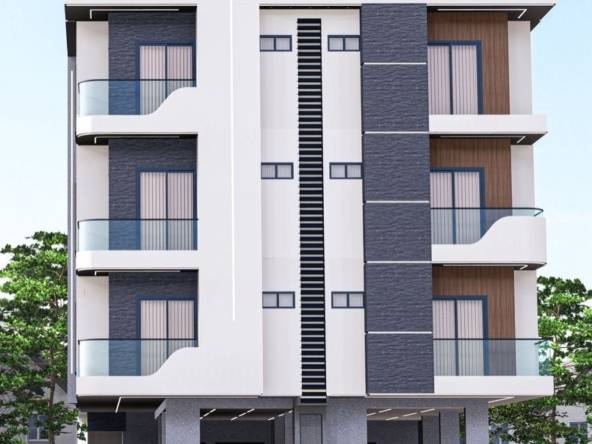
Contrasting these aging structures are the modern high-rise developments that represent the future of Yakutsk. These buildings are designed as "cities within a city," allowing residents to access essential services without the life-threatening risk of long-distance outdoor exposure. However, this level of security comes at a premium, with prices ranging from $100,000 to $350,000. A critical feature of these luxury complexes is heated underground parking. In a city where a car engine left outside for even an hour can freeze into a solid, irreparable block of metal, a heated garage is considered more of a vital utility than a luxury amenity.
Related article - Uphorial Shopify

Bridging the gap between the old and the new are the iconic Soviet-era apartment blocks, known locally as KPD. These concrete panel buildings were the Soviet Union’s answer to mass urbanization in the north. They are engineered with a specific Arctic logic: every building is raised on deep concrete piles to prevent the building's heat from melting the permafrost, which would cause the structure to sink. Furthermore, these apartments utilize a "buffer zone" system, featuring heavy double-door entryways designed to trap cold air before it can reach the living quarters. Residents like Anastasia show that while these spaces are compact and utilitarian, they are remarkably effective at maintaining a stable, warm environment, proving the enduring practicality of Soviet Arctic engineering.

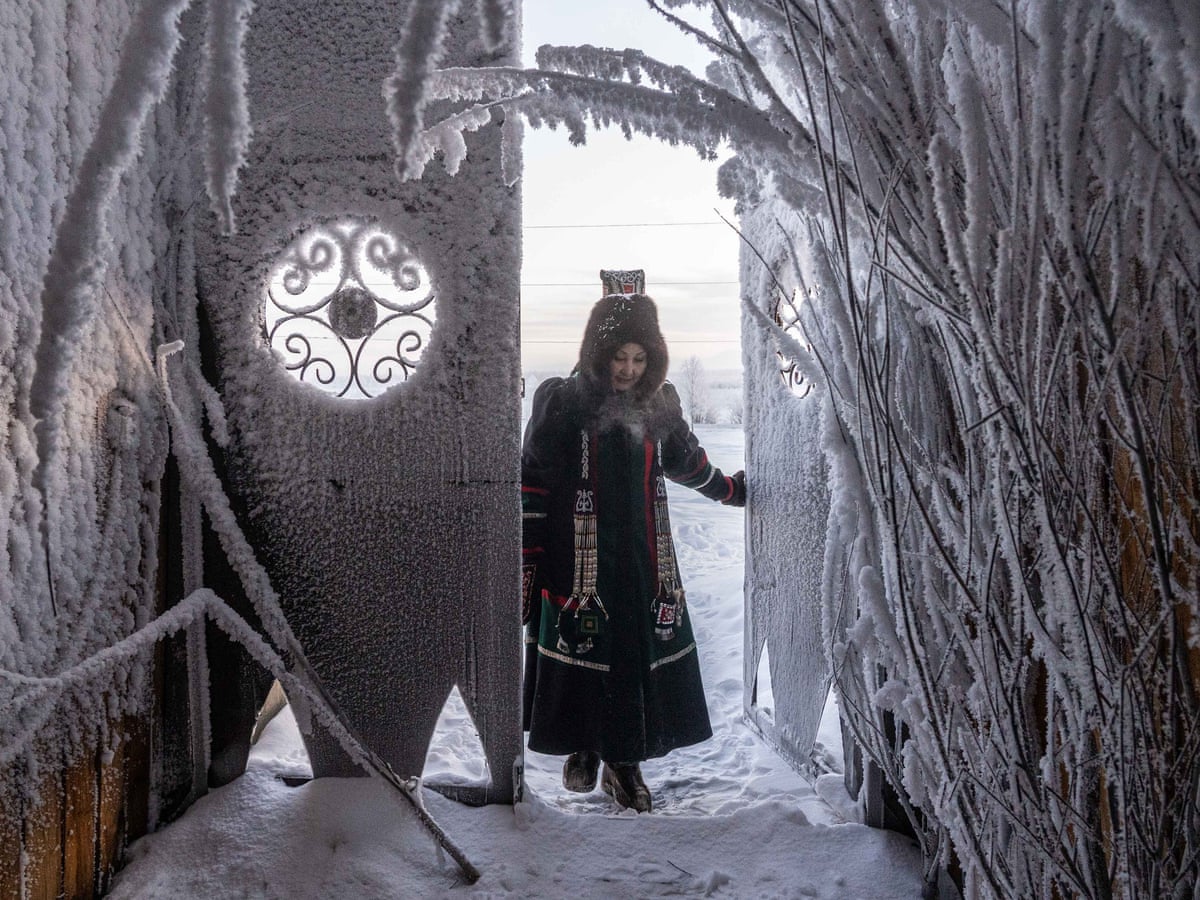
For those seeking more independence, private wooden houses offer an alternative. These homes are popular with larger families who desire more square footage than a city apartment provides. However, the stakes of homeownership here are exceptionally high. These residents rely on sophisticated gas boilers and meticulously insulated garages to keep their households functioning. In Yakutsk, the margin for error is non-existent; a single mechanical failure in a heating system during a cold snap can lead to frozen pipes and catastrophic structural damage within hours. Maintaining these homes is a full-time commitment to vigilance.
Ultimately, the housing landscape of Yakutsk is a testament to human resilience. Whether living in a subsidized Soviet block or a modern penthouse, every resident is united by a singular, non-negotiable goal: the creation of a sanctuary. In an environment that is fundamentally hostile to human biology, the home becomes more than a shelter—it becomes a personal fortress of warmth and safety. The diversity of Yakutsk's housing reflects a society that has mastered the art of living in the planet's most unforgiving deep freeze, turning a frozen wasteland into a functional, vibrant home.