In the landscape of modern R&B, there are voices that do not merely sing; they anchor the culture, serving as the connective tissue between the golden eras of the nineties and the digital present. This June, in celebration of Black Music Month, one such titan finally took his seat at the NPR Tiny Desk. For years, the digital discourse had been filled with petitions and calls for R&B veteran Joe Thomas to grace the stage. When he finally stepped behind the iconic wooden desk on June 10, 2026, it was not merely a concert—it was an overdue reunion between an artist who defined a generation and an audience that had never stopped listening.
Joe, a man who has earned his stripes through decades of chart-topping hits and relentless touring, approached the performance with the casual confidence of an artist who knows exactly what he brings to the table. Eschewing the need for theatrical pretense, he spent his opening moments addressing the curiosity surrounding his recent absence from the spotlight. His answer was as grounded as his music: he had been on the road, doing the work, honing the craft that made him a staple of R&B radio in the late nineties and early 2000s. There was no rust to be found, only a refined, soulful clarity that signaled his readiness to reassert his place in the pantheon of the genre.
The performance itself was a masterfully curated walk through a catalog that remains as vital today as it was at its inception. He opened the set with the infectious warmth of "Good Girls," instantly transforming the office space into a sanctuary of smooth grooves. As he transitioned into "Faded Pictures," the air in the room thickened with a palpable, bittersweet nostalgia. His vocal control was impeccable, navigating the highs and lows of the ballad with the kind of emotional precision that can only come from a career built on honesty and nuance.

Related article - Uphorial Shopify

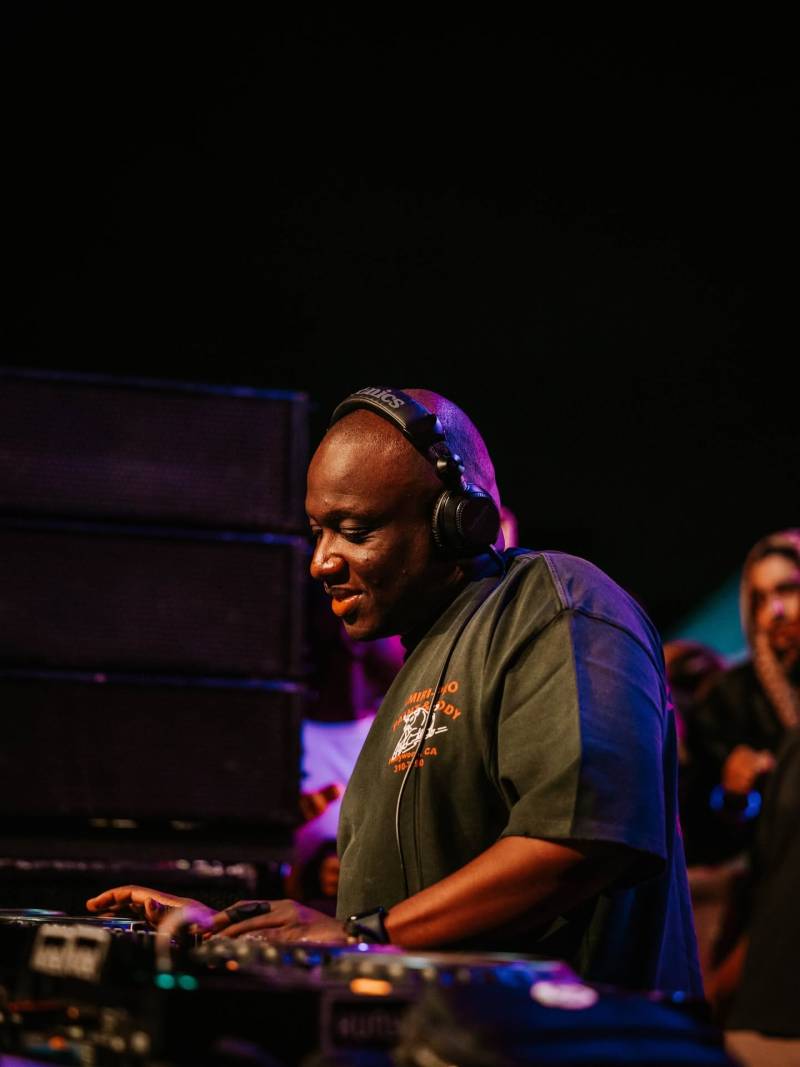
As the band—led by musical director DJ Brown—dialed up the energy, Joe moved through "More & More" and "The Love Scene" with effortless charisma. He did not just perform these songs; he lived within them, engaging the audience with a conversational delivery that made the massive space feel intimate. When he reached the unmistakable chords of his anthem, "All the Things (Your Man Won’t Do)," the atmosphere reached a fever pitch. He transformed the space into a collective experience, inviting the crowd to participate in a way that bridged the gap between performer and spectator, turning the desk into a shared stage of appreciation.The performance culminated in a moment of profound personal resonance. For the grand finale, he chose "I Wanna Know," perhaps the most defining track of his career. However, he chose to perform it not as a solo testament to his own success, but as a bridge to the future. He invited his daughter, Kayla Thomas, to join him on stage to provide background vocals. The sight of the R&B legend sharing the mic with the next generation added a layer of tenderness that silenced the room. It was a fleeting, indelible image—a father and daughter sharing the legacy of a song that has moved millions, marking the intersection of his professional triumph and his personal life.

The set was more than a display of talent; it was a cultural acknowledgement. The Tiny Desk series has become a gatekeeper of musical legitimacy, and Joe’s appearance underscored the undeniable, enduring legacy of Black artistry. By bringing his specific brand of R&B—an archetype that paved the way for successors—to this platform, he reminded the audience that the foundations of modern music were laid by those who prioritized melody, soul, and storytelling above all else.As the final notes faded and the performance concluded, the energy in the room remained charged with the afterglow of a man who had reminded us why he was so dearly missed. The performance was a resounding success, a testament to the fact that while trends in music may shift and the industry may evolve, the power of a voice that speaks to the human experience is timeless. For those who had petitioned for this moment, it was a vindication; for the artist, it was a reminder of his own permanence. As the video wrapped with an update on an upcoming NPR giveaway, the lasting takeaway was clear: Joe Thomas did not just play a set; he reaffirmed his status as a master of his craft, turning a desk into a stage and a performance into a moment of pure, unadulterated soul.