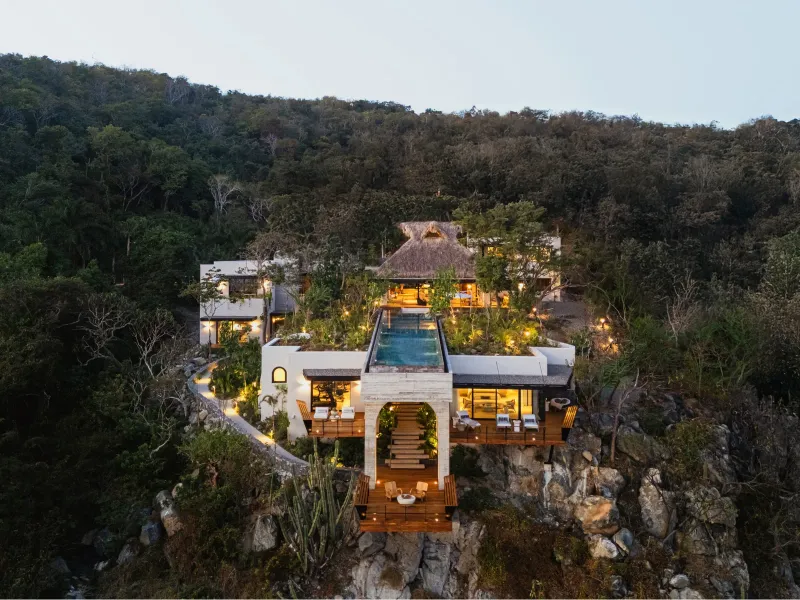
VENICE – The morning light does not break over Venice so much as it dissolves into it. On the lagoon, where the Adriatic Sea meets the salt marshes of northern Italy, the dawn arrives as a pale lilac mist, blurring the line between the sky and the cold, green water. To observe this transition in real time is to witness a slow-motion alchemy. For centuries, artists, poets, and travelers have arrived in La Serenissima demanding immediate spectacle, hunting for the grand theatricality of the Grand Canal or the crowded splendor of St. Mark’s Square. Yet, there is a parallel version of Venice that exists outside the frame of postcards and hurried itineraries. It is a city defined by a slower, more deliberate cadence—a rhythm that requires time, stillness, and an absolute surrender to the present moment.
In an era dominated by the frantic, fractured psychology of the digital age, where human attention spans are bartered in fractions of a second, an unexpected antidote to modern exhaustion has emerged from the very heart of luxury travel. The hospitality brand Belmond has introduced a cinematic venture titled "Venice Long Shots: 60 minutes of Slow TV from the iconic city of water, La Serenissima." This hour-long ambient film completely rejects the fast-paced editing and aggressive stimuli of contemporary media. Instead, it invites the viewer into a deep, meditative engagement with space, light, and sound. Rooted in the historic setting of the Hotel Cipriani on Giudecca Island, the project represents a profound cultural shift. It treats travel not as a series of boxes to be checked, but as an internal transformation achieved through the radical act of paying close attention.
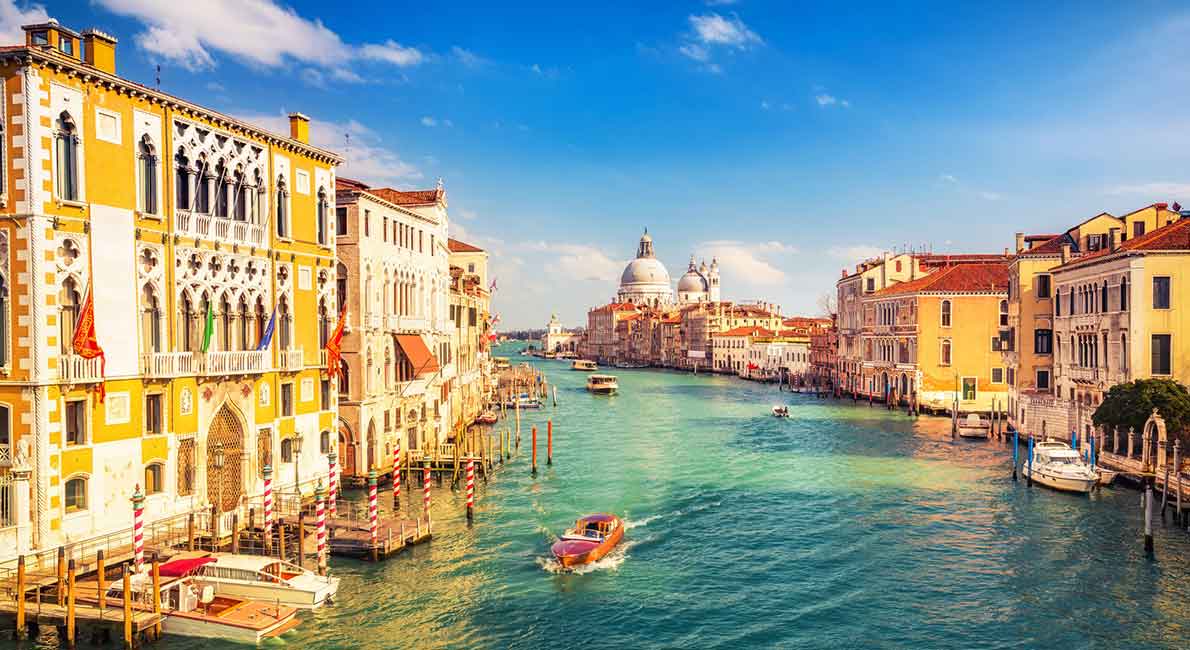
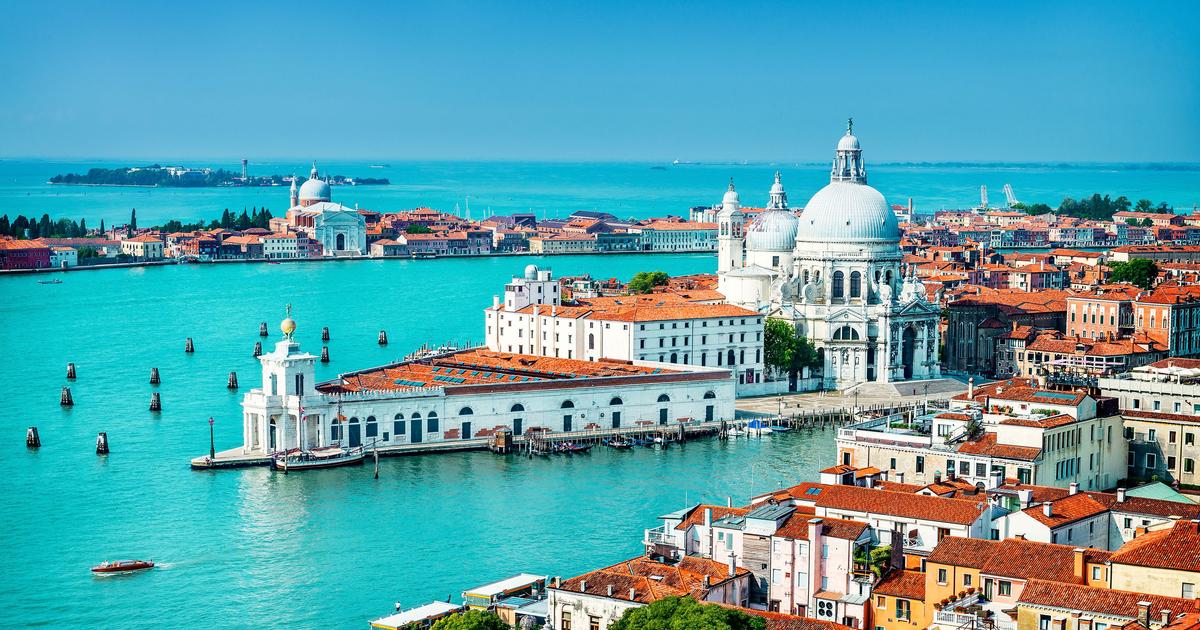
To understand the emotional precision of this cinematic experiment, one must first understand the unique spatial geography of the Hotel Cipriani. Situated on the tip of Giudecca Island, just a short boat ride across the water from the bustling core of the city, the hotel occupies a rare vantage point. It is both a part of Venice and a sanctuary from it. From this location, the camera sits still, capturing the passage of time without the intrusion of narration, music, or fast cuts. The viewer is positioned not as an aggressive tourist, but as a patient observer. The emotional resonance of the piece builds slowly, layer by layer, through the accumulation of small, quiet details. It is found in the soft lapping of the tide against the ancient stone foundations, the distant, rhythmic thrum of a single motorized launch crossing the lagoon, and the way the morning fog gradually lifts to reveal the distant, majestic silhouette of the Doge’s Palace.
As the dawn progresses, the film shifts its focus with an intelligent curation of scenes that mirror the natural progression of a Venetian day. This is not a random collection of B-roll footage, but a carefully orchestrated journey designed to evoke the specific atmosphere of high-end, mindful relaxation. The lens moves to the San Giorgio Terrace, where the simple act of preparing for breakfast becomes a study in elegant stillness. The viewer watches the gentle arrangement of white linen tablecloths, the placing of silverware, and the steam rising from a fresh cup of espresso. There is an inherent dignity in these mundane preparations, framed against the monumental backdrop of the Venetian lagoon. The camera lingers on the hotel’s swimming pool—an Olympic-sized oasis of calm—where the water reflects the shifting blue of the sky, disturbed only by the occasional ripple of wind.
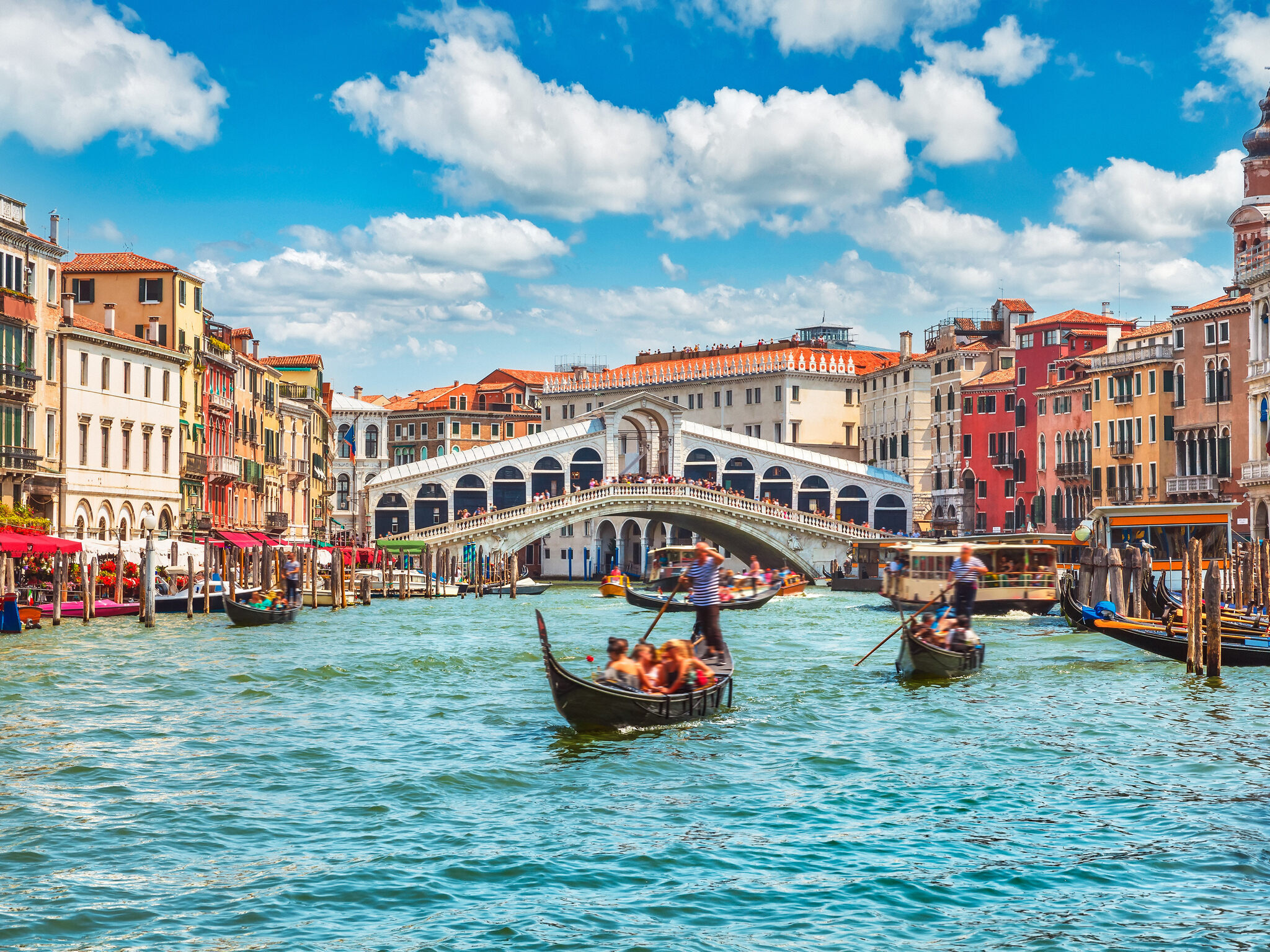
This curated stillness transitions into a fluid exploration of the city's unique infrastructure. The film boards a traditional watercraft to navigate the winding network of the inner canals. Here, the perspective changes from wide, panoramic vistas to intimate, enclosed architectural corridors. The camera glides beneath low stone bridges, past weathered brick facades covered in moss, and alongside the shuttered windows of historic palazzos. The acoustic environment shifts dramatically within these narrow waterways. The open, windy expanse of the lagoon gives way to a sheltered, echoing soundscape. The sound of water slapping against wood, the muffled conversations of residents from upper balconies, and the distinct creak of a gondola’s oar lock all combine to create a vivid sensory tapestry. This section of the film honors the living, breathing reality of a city built on water, showcasing its engineering marvels not as historical relics, but as functional, everyday spaces.
Related article - Uphorial Shopify
The narrative arc of the film is deeply informed by a sophisticated cultural understanding of Venice. For centuries, the city has wrestled with its own mythos. It is a place that has been romanticized, commercialized, and frequently overwhelmed by the sheer volume of global tourism. By choosing the format of Slow TV, the creators demonstrate a profound respect for the authentic identity of La Serenissima. The film intentionally highlights the artisanal underpinnings of Venetian society, taking the viewer inside the quiet, dusty sanctuaries of local workshops. In these spaces, craftsmen work with glass, textiles, and wood, utilizing techniques that have remained virtually unchanged since the height of the Venetian Republic. By lingering on the steady hands of these artisans, the film connects the slow movement of the water outside with the slow, deliberate labor required to maintain the city’s cultural heritage. It reminds the audience that Venice is not a theme park, but a fragile, enduring ecosystem sustained by human dedication and historical continuity.
Strategically, the "Long Shots" series serves as a powerful statement on the evolving nature of global luxury. For decades, luxury was defined by access, opulence, and consumption. Today, however, the ultimate luxury is time and mental clarity. By producing a 60-minute film that demands absolutely nothing from the viewer, the project establishes a new paradigm for brand storytelling. It does not sell a room, a service, or a destination through conventional marketing tropes. Instead, it provides a functional digital utility—a tool for mindfulness, relaxation, and stress reduction. The strategic genius lies in its ability to associate the brand entirely with the emotional state of profound peace. Whether utilized as a calming background during a hectic workday or as a meditative ritual before sleep, the film embeds the essence of the destination into the daily wellness practices of a global audience. This approach culminates in a transformational framing of the travel experience itself. True travel is not merely about geographical displacement; it is about changing the frequency at which we experience life. The film’s final movements capture the arrival of dusk, as the vibrant golds and blues of the afternoon give way to the deep indigos and shadows of evening. The lanterns along the waterways begin to flicker to life, casting long, dancing reflections across the darkening canals. The city grows quiet once more, returning to the stillness from which it awoke. By guiding the viewer through this complete diurnal cycle, the film facilitates an internal shift. It trains the eye to appreciate the beauty of stagnation, the elegance of repetition, and the profound depth that can be found in a single, unmoving perspective.
The success of the Venice edition has paved the way for a broader exploration of this cinematic philosophy across other globally significant landscapes. The "Long Shots" project has expanded its slow-media lens to capture the unique essences of diverse environments around the world. In the rolling hills of Tuscany, a companion film focuses on the estate of Castello di Casole, where the camera sits amidst silver olive groves and sweeping vineyards, capturing the rustle of cicadas and the golden amber of the setting Italian sun. In Peru, the series journeys to the Sacred Valley, offering an hour of pure immersion into the high-altitude tranquility of the Andes, where the wind sweeps through ancient terraced fields and distant river valleys. In South America, the lens turns to Rio de Janeiro, balancing the vibrant energy of the coastal metropolis with long, meditative views of the Atlantic surf crashing against the shores of Copacabana. Even the historic, damp green of the English countryside is explored through an edition filmed in Oxfordshire, capturing the gentle rustle of willow trees along quiet riverbanks. Ultimately, these films function as digital portals, allowing individuals to transcend their immediate physical confines and align their internal rhythms with the natural world. "Venice Long Shots" is a testament to the enduring power of La Serenissima, proving that even after more than a millennium of scrutiny, the city still holds the capacity to surprise, heal, and inspire. It suggests that the best way to see Venice—and perhaps the world itself—is to stop moving, close our eyes to the distractions of modern life, and open them to the slow, magnificent unfolding of a single hour.