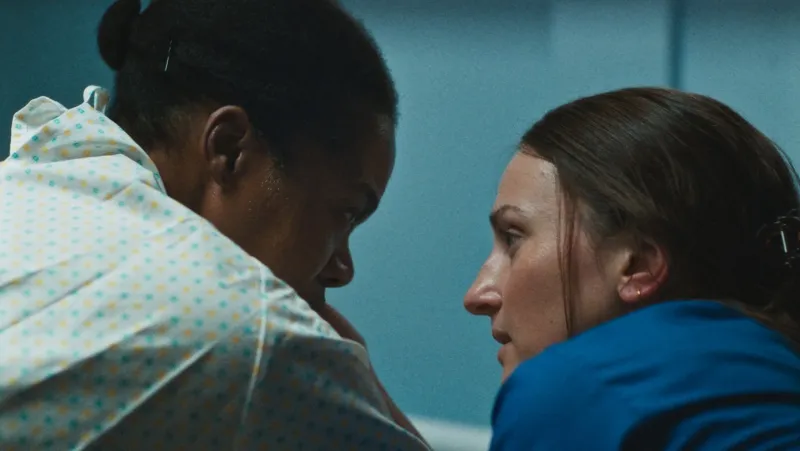
The fluorescent flicker of a convenience store at 3:00 a.m. is a universal aesthetic of isolation, but in Julian Doan’s award-winning short film Long’s Long Lost & Mini Mart, that light illuminates something far more profound: the intersection of commerce and the afterlife. Set deep within the claustrophobic, seedy back room of a shop in Little Saigon, the film serves as a poignant, atmospheric meditation on the futility of seeking closure in a bottle—or, in this case, in a transactional service. It is a work that balances the surreal edges of fantasy with the jagged, unvarnished reality of human grief, forcing the viewer to confront the desperate, irrational lengths to which we will go to speak to those we have lost.
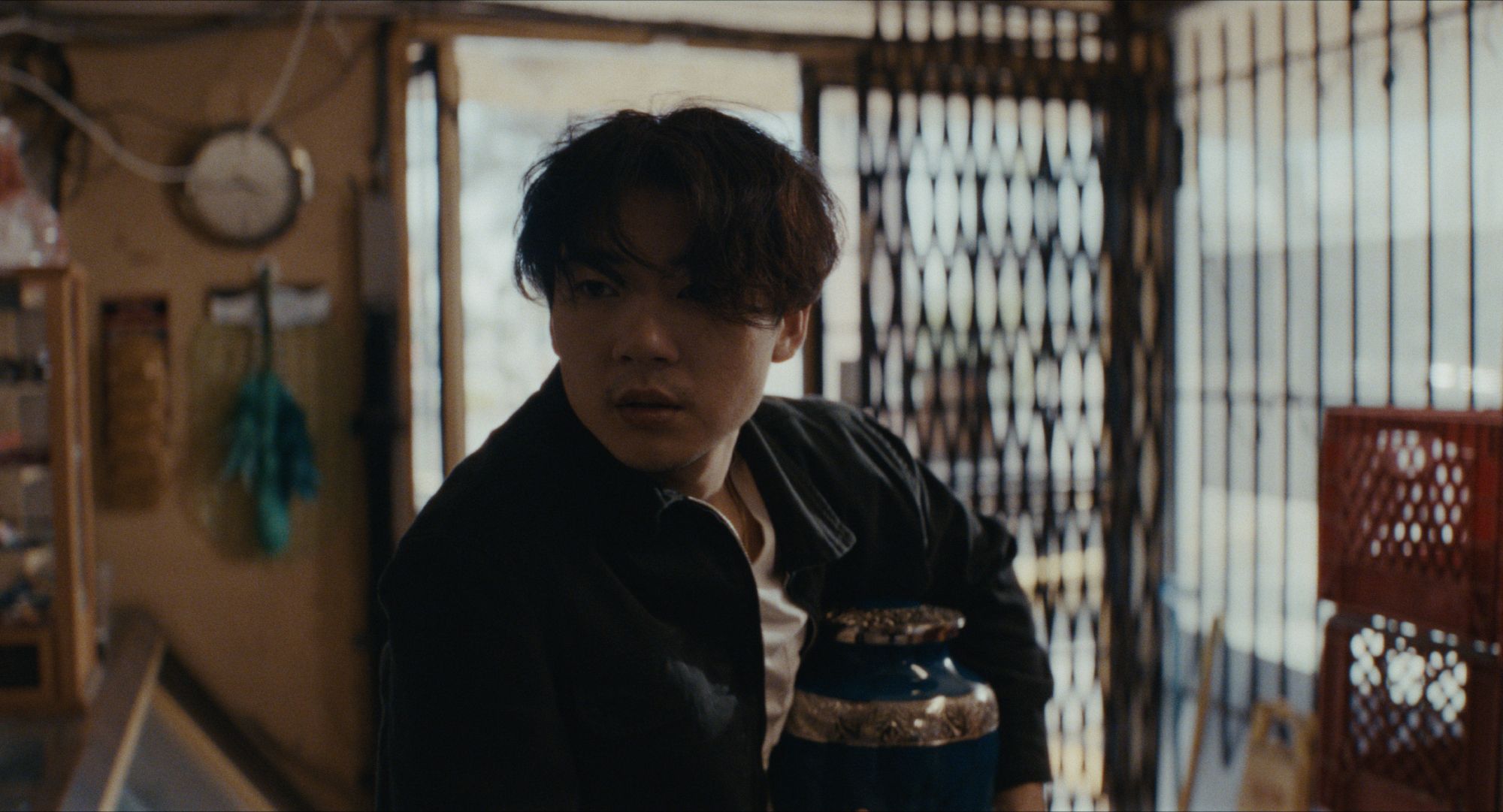
The premise is as simple as it is devastating. A young man, burdened by the unspoken weight of a fractured relationship, enters the store to purchase the impossible: a reanimation service that promises one final conversation with his deceased father. The clerk, played with a weary, practiced pragmatism by Hồng Đào, acts as the gatekeeper of this liminal space. She is not a supernatural entity, but a business owner managing a delicate inventory of memories. She guides the protagonist through a menu of services, subtly pushing him toward the "premium" option—an intervention that speaks volumes about the commercialization of bereavement. It is a chillingly intelligent bit of curation by Doan; by framing the resurrection of a parent as a tiered commodity, he highlights the inherent absurdity and the desperate vulnerability of the grieving process.
Related article - Uphorial Shopify

As the reanimation begins, the film pivots from the transactional to the visceral. The protagonist’s search for closure is not the neatly packaged, redemptive experience he anticipated. Instead, the encounter is riddled with the same friction, hesitation, and unresolved pain that defined their relationship in life. The dialogue does not flow with the ease of a cinematic reconciliation; it stutters under the weight of what was never said and what can never be fixed. When the time allotted for the session runs out, the protagonist’s reaction is not one of acceptance, but of a frantic, almost violent refusal to let go. His confrontation with the clerk—as he demands more time, frustrated by the rigid, contractual limitations of the experience—is the film’s emotional anchor. It reveals the true tragedy of the scenario: that even with the power of resurrection, we cannot force our loved ones to be the people we need them to be in the moments we finally have them back.The brilliance of the film lies in how it shifts the lens in its final act, pulling back from the protagonist’s singular anguish to offer a glimpse into the clerk’s perspective. Hồng Đào’s performance captures the profound exhaustion of a woman who operates at the crossroads of life and death. She is not immune to the suffering of her customers, but she is burdened by the reality of managing expectations that are, by definition, unmanageable. She understands what the protagonist does not: that the shop cannot provide healing, only an echo. Her role is not to grant peace, but to facilitate the difficult, often ugly process of realizing that the conversation we want is rarely the conversation we get.
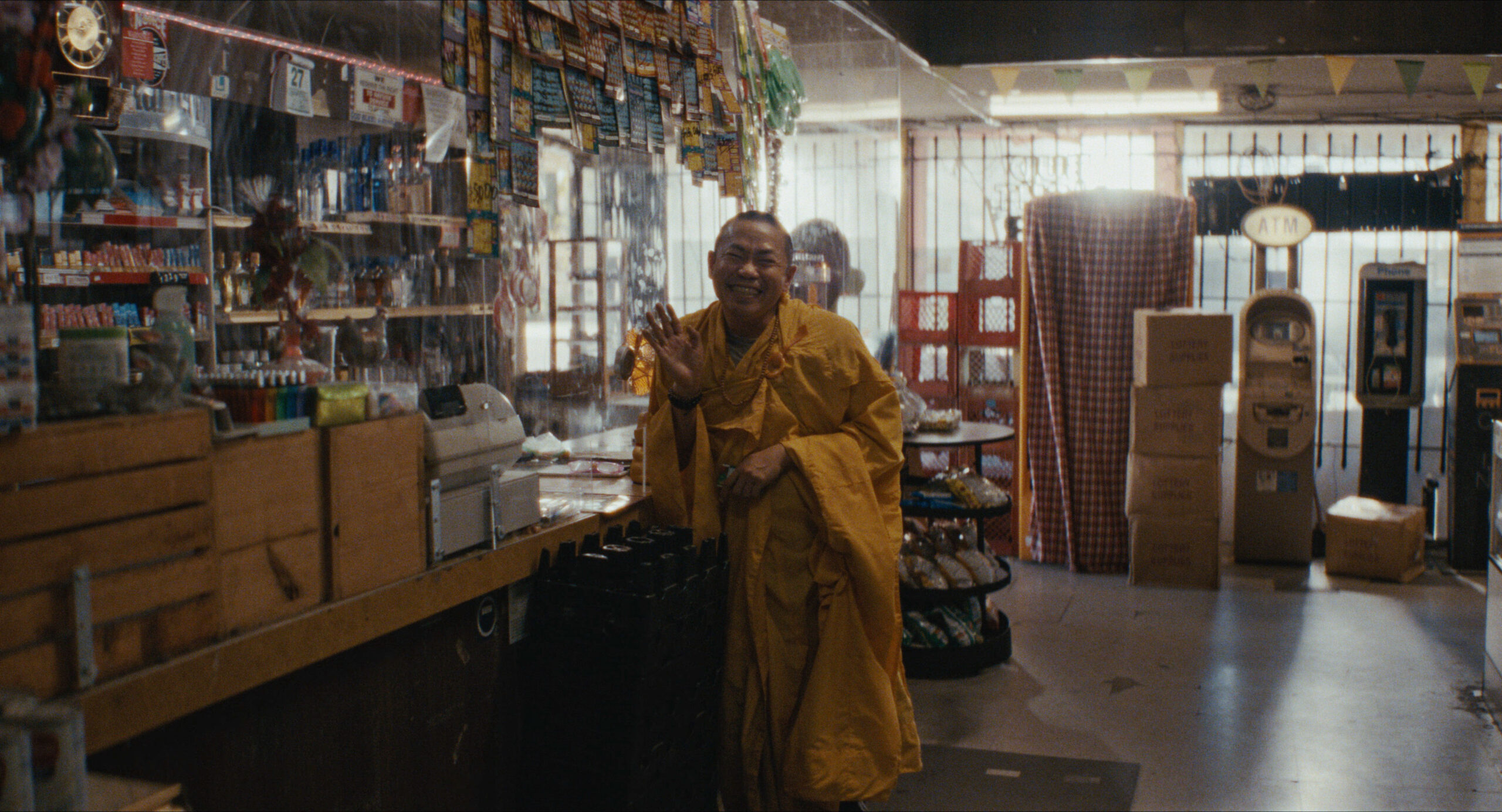
Long’s Long Lost & Mini Mart utilizes its constrained setting to great effect, creating an atmosphere that feels simultaneously dreamlike and suffocating. The "Mini Mart" serves as a perfect metaphor for the way we store our grief—tucked away in the back of our minds, waiting for a transaction that will make the pain disappear. Doan’s direction transforms this small-scale story into a universal commentary on the nature of memory. It captures the specific cultural nuances of the Little Saigon setting while speaking to the broader, human desperation to reconcile with the past.
Ultimately, the film functions as a masterclass in transformational framing. It takes the speculative trope of reanimating the dead and strips away the science fiction, leaving behind only the raw, messy business of saying goodbye. There is no grand magical resolution, no sudden epiphany that repairs the protagonist’s heart. There is only the harsh, fluorescent reality of the shop, the ticking clock of the premium package, and the realization that closure is not something that can be bought or summoned. By the time the screen fades to black, the viewer is left with a lingering, uncomfortable truth: that our ghosts are never truly gone, and the conversations we seek with them are, in the end, only conversations with ourselves. Long’s Long Lost & Mini Mart stands as a haunting reminder that in the face of loss, the only thing more difficult than letting go is the realization that, despite all our desperation, we never really had a choice.