Lagos Nigeria - In the constantly evolving ecosystem of Nigerian music, new sounds often emerge from the streets before gaining mainstream recognition. One of the most intriguing recent developments is Mara Beat, a fast-paced, dance-driven musical style that has grown from Lagos’ underground culture into a movement influencing Afrobeats and global dance communities.What began as experimental DJ instrumentals has transformed into a cultural phenomenon powered by street DJs, dancers, and social media platforms, particularly TikTok. Today, Mara Beat represents not only a sound but also a reflection of urban youth culture, digital creativity, and the changing dynamics of African popular music.
The emergence of Mara Beat can be traced to the late 2010s Nigerian street DJ scene, particularly the popularity of “Cruise Beats.” These were high-energy instrumentals created by producers such as DJ YK Mule, who pioneered beats built around viral audio clips, humorous voice notes, and fast rhythms that encouraged energetic dance routines.As the style evolved, a new variation emerged—Mara Beat—which emphasized emotional melodies layered over aggressive percussion and rapid tempos. Nigerian DJ and producer DJ Khalipha is widely credited with formalizing the sound by blending street-pop rhythms, electronic house elements, and atmospheric piano chords. Another layer of the movement’s origin lies in its connection to dance culture. The term “Mara” itself is associated with Odogwu Mara, a dancer whose distinctive energetic style inspired online tributes after his death. Dancers began creating choreography to instrumental tracks in his memory, and the sound became linked to the dance style that carried his name. Thus, Mara Beat did not emerge solely from music production—it was born at the intersection of street dance, DJ culture, and internet virality.
Musically, Mara Beat differs from conventional Afrobeats in both tempo and structure. While Afrobeats tends to emphasize melodic vocals and mid-tempo grooves, Mara Beat prioritizes rhythm and atmosphere. Typical elements include: Fast tempos often exceeding 150 BPM, creating intense dance energy. Heavy percussion and deep basslines, drawing from Afrobeats and electronic dance music. Atmospheric synths or choir-like sounds, which introduce emotional or dramatic tones. Minimal vocals, often limited to sampled phrases or hype chants. According to producers within the scene, the emotional dimension of the melodies—sometimes uplifting, melancholic, or cinematic—is what differentiates Mara Beat from the more humorous and sample-driven Cruise Beat style. The result is a genre designed primarily for movement and immersion, with the beat itself serving as the central narrative.
Related article - Uphorial Shopify

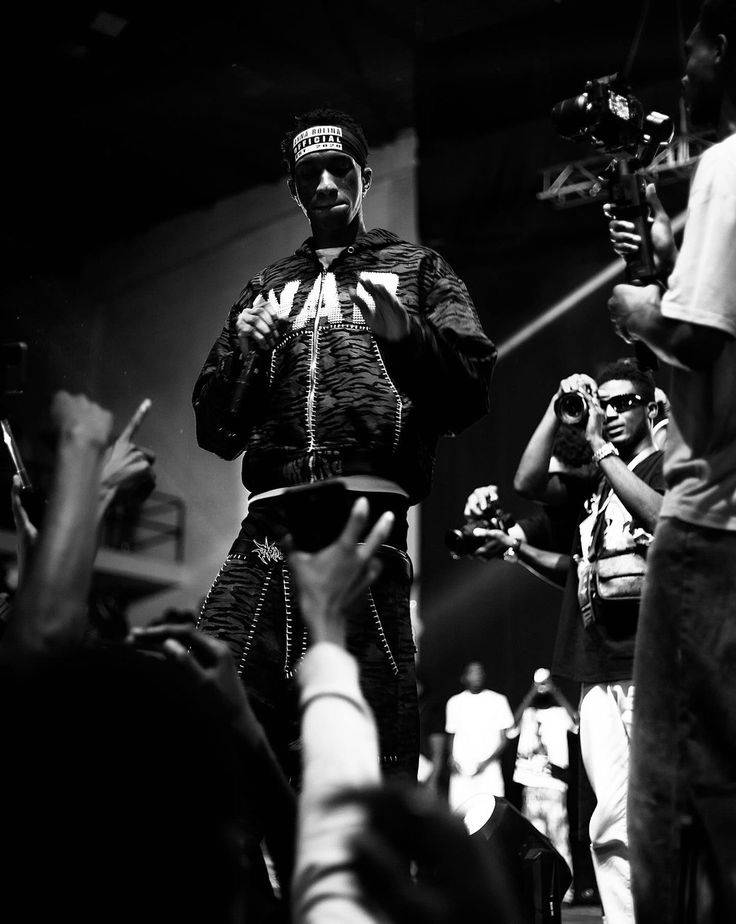
Unlike any traditional music genres that gain popularity through radio or record labels, Mara Beat spread largely through digital platforms and street performance culture. Dancers play a crucial role in this ecosystem. Choreographers frequently create freestyle routines to new beats, upload them online, and trigger viral dance trends. These routines often include acrobatic movements, rapid footwork, and comedic gestures, reflecting the improvisational energy of Lagos street culture. TikTok has been particularly influential in accelerating the genre’s growth. The platform’s short-form video format allows dancers and DJs to circulate new beats quickly, turning local street sounds into nationwide—and sometimes global—trends. This digital feedback loop means that music, dance, and social media evolve simultaneously, with each new viral video reinforcing the sound’s popularity.
The Mara movement is driven largely by a network of DJs and dancers rather than traditional recording artists. Among the most influential contributors are: DJ Khalipha – credited with shaping the modern Mara sound and integrating house-music elements. DJ YK Mule – a pioneer of Cruise Beats whose work helped lay the foundation for Mara. DJ Cora – a prominent DJ whose energetic mixes and instrumentals helped popularize the sound online. These figures operate largely outside the conventional music industry structure, releasing tracks on platforms such as Audiomack, SoundCloud, and YouTube while collaborating directly with dancers and content creators. Beyond its musical innovations, Mara Beat serves as a cultural expression of urban youth in Lagos, particularly in neighborhoods such as Ketu and Ajegunle where street pop culture thrives.

The genre embodies the spontaneity and resilience of these communities. Many creators produce content using limited resources, charging phones at neighborhood charging centers or recording videos in public spaces—yet their work can reach global audiences through social media. In this sense, Mara Beat illustrates how digital platforms democratize cultural production, allowing grassroots creativity to compete with mainstream entertainment.
Although Mara Beat began in the underground DJ scene, its impact is increasingly visible in mainstream Nigerian music. Major artists have started incorporating elements of the sound—its fast rhythms and dramatic synth patterns—into commercial releases. Tracks by artists such as Rema and Seyi Vibez have drawn noticeable inspiration from Mara’s sonic style, demonstrating how street trends can reshape the broader Afrobeats landscape.This pattern reflects a familiar dynamic in Nigerian music history: grassroots street sounds often become the next wave of mainstream pop. As interest in African electronic music grows internationally, Mara Beat has begun to attract attention beyond Nigeria. Performances at major festivals and collaborations with international DJs signal the genre’s potential to join other African electronic exports such as Amapiano on the global stage. Part of its appeal lies in its hybrid nature. With influences from house music, Afrobeats, and electronic dance music, Mara Beat resonates with international club audiences while retaining its distinctly Nigerian identity.
Mara Beat represents far more than a fleeting dance craze. It is the product of street innovation, digital culture, and youth creativity, demonstrating how grassroots movements can reshape a nation’s musical identity.From neighborhood parties in Lagos to viral TikTok dance videos and global festival stages, the rise of Mara Beat illustrates the ongoing transformation of African music—where the boundaries between street culture, technology, and mainstream entertainment continue to blur. If its current trajectory continues, Mara Beat may well become the next defining chapter in Nigeria’s ever-expanding musical influence on the world.