San Francisco, California - In the opening day at the annual GTC conference in San Jose, Nvidia CEO Jensen Huang moved to solidify the company's dominance in the artificial intelligence sector, while major industry players signaled an unyielding appetite for the hardware required to power the next generation of computing. The event, which serves as a bellwether for the global tech economy, began with a massive infrastructure announcement from Meta Platforms, further tightening the bond between the social media giant and the world’s most valuable chipmaker.
Meta revealed an expansive five-year, $27 billion agreement to bolster its AI compute capacity. The deal, largely centered on a partnership with the specialized cloud provider Nebius, secures long-term access to Nvidia’s newly announced Vera Rubin platform. Under the terms, Meta has committed to $12 billion in dedicated capacity and an additional $15 billion in flexible compute purchases. The move underscores CEO Mark Zuckerberg’s aggressive pivot toward "physical AI" and agentic systems, effectively doubling down on hardware even as the company manages broader cost-restructuring efforts elsewhere.
On the GTC main stage, Jensen Huang introduced the Vera Rubin architecture, the successor to the Blackwell line. Named after the astronomer who pioneered research into dark matter, the Rubin platform features a new CPU dubbed "Vera" and is designed to handle the staggering inference demands of agentic AI. Huang told a capacity crowd at the SAP Center that the transition from general-purpose computing to "AI factories" is now irreversible, noting that the new systems deliver a tenfold increase in performance-per-watt for large-scale language models.
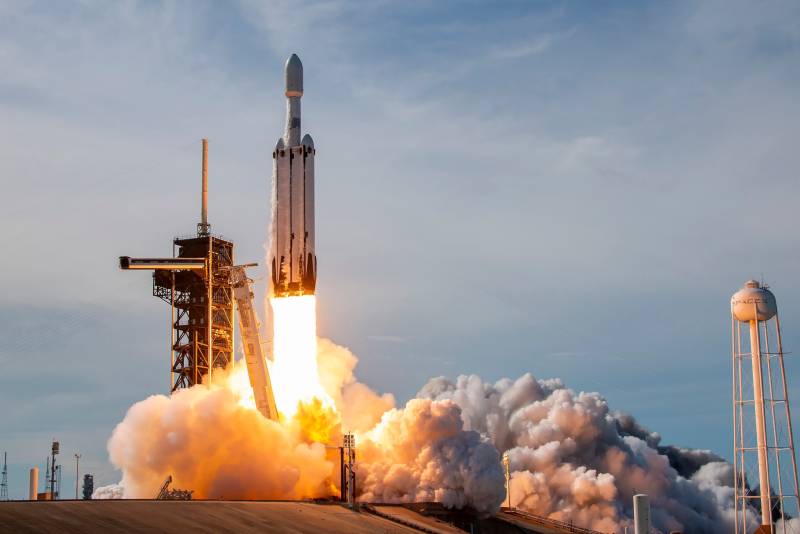
While the primary focus remained on silicon and software, the market is simultaneously preparing for a seismic shift in the private sector. Wall Street is currently bracing for a "Mega IPO" cycle expected to peak later this year and into 2027. Investors are closely watching late-stage giants like OpenAI, SpaceX, and Stripe, which are reportedly laying the groundwork for public debuts. Analysts suggest that the success of Nvidia’s hardware roadmap is a critical variable for these companies, as their multi-billion-dollar valuations are increasingly tied to the scalability of the AI infrastructure they rent or build.
Providing a critical lens on the security implications of this rapid expansion, Forrester Principal Analyst Allie Mellen warned that the rush to deploy agentic AI—systems capable of making autonomous decisions—introduces a new frontier of risk. Mellen highlighted that while AI can now be used to predict and prevent system outages, it also creates more complex attack surfaces. Her research suggests that 2026 will be a "volatile" year for cybersecurity, as enterprises struggle to balance the speed of Nvidia’s hardware releases with the need for robust, AI-enabled threat detection.
As GTC continues throughout the week, the message from San Jose is clear: the AI trade is no longer just about chips, but about the total integration of sovereign data centers, autonomous robotics, and a massive re-calibration of the global IPO pipeline.