ESTADIO DE MEXICO - The air at the Mexico City Stadium was thick with more than just the energy of the crowd. It was heavy with the weight of four decades of anticipation, a silence that had lingered over Mexican football since the 1986 World Cup. When the whistle finally blew to commence the Round of 32 clash against Ecuador, it did not just signal the start of a football match; it marked the beginning of a national catharsis. For the thousands of fans draped in green, the night was a testament to the idea that some burdens are only as heavy as one’s refusal to carry them toward the finish line.
The narrative of the match was scripted in clinical precision. While Ecuador sought to impose their will through combative, physical play, Mexico’s response was a masterclass in tactical discipline. Mexico’s defensive unit, having not conceded a goal throughout the tournament, displayed a level of cohesion that seemed almost impenetrable. They utilized highly effective ball movement to play through Ecuador’s aggressive press, constantly recycling possession to drain the energy of their opponents. Every pass was deliberate, and every defensive rotation was executed with the calm of a team that understood the magnitude of the moment.

Related article - Uphorial Shopify

The breakthrough, when it arrived, felt like the culmination of years of persistent effort. Mexico showcased a fluidity that forced Ecuador to scramble, yet the visitors remained dangerous, relying on individual skill to create chaos in the final third. The tension reached a fever pitch midway through the game when a potential goal for Mexico was subjected to a tight, agonizing offside review. For those few minutes, the stadium held its collective breath, the roar of the crowd momentarily replaced by the suffocating silence of VAR-induced uncertainty. When the goal was finally upheld, the release of emotion was seismic, acting as the catalyst that propelled Mexico toward a historic result.The second half became a theater of defensive heroics. Ecuador, desperate to find a foothold, launched wave after wave of attacks, but they found the Mexican wall immovable. The tactical persistence shown by the home side was a stark departure from the frustrations of the past; they did not retreat into a shell but instead continued to challenge the Ecuadorian backline, keeping them pinned deep. This relentless, balanced approach allowed Mexico to control the tempo, turning the game into a psychological battle that Ecuador could not win.
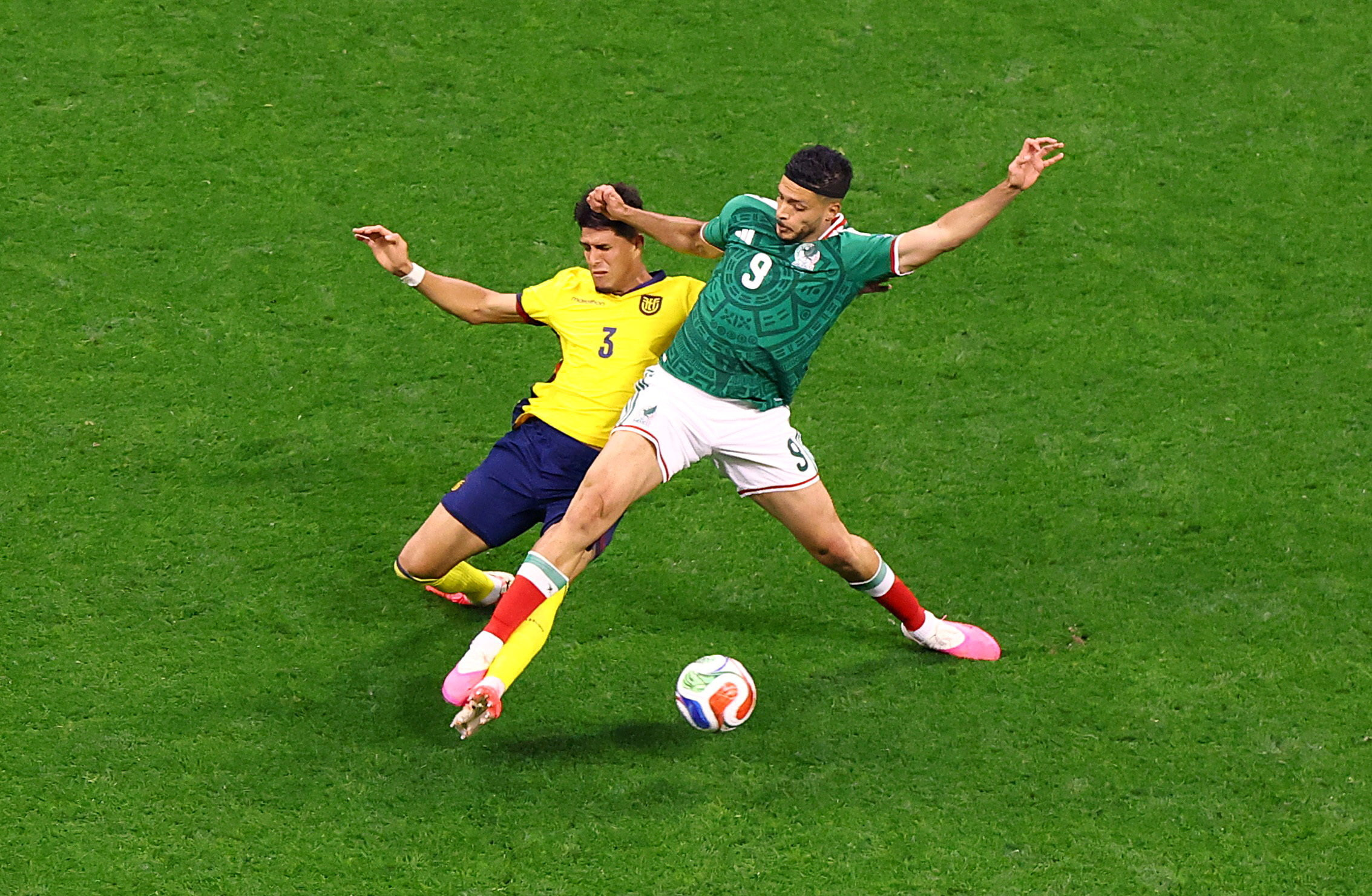
As the final whistle blew, the scoreboard confirmed what the 90 minutes had already made abundantly clear: Mexico had secured a victory that would be talked about for generations. It marked their first win in a knockout game at the FIFA World Cup in 40 years, an achievement that effectively shattered the psychological barrier that had haunted the nation since 1986.For a country that has endured seven consecutive heartbreaks at this specific stage of the tournament, this was more than a win; it was a reclamation of identity. The streets of Mexico City, from the historic Zocalo to the smallest neighborhoods, erupted into a carnival of flags, fireworks, and songs. In the face of a high-stakes, pressure-cooker environment, this team emerged as a beacon of unity. As they turn their eyes toward the next challenge, they do so with the newfound confidence of a squad that has finally dismantled the ghosts of their history. They have proven to themselves and to the world that they possess the tactical intelligence and the emotional fortitude to thrive on the biggest stage of all, transforming a deep-seated fear into the fuel for a potential tournament run.