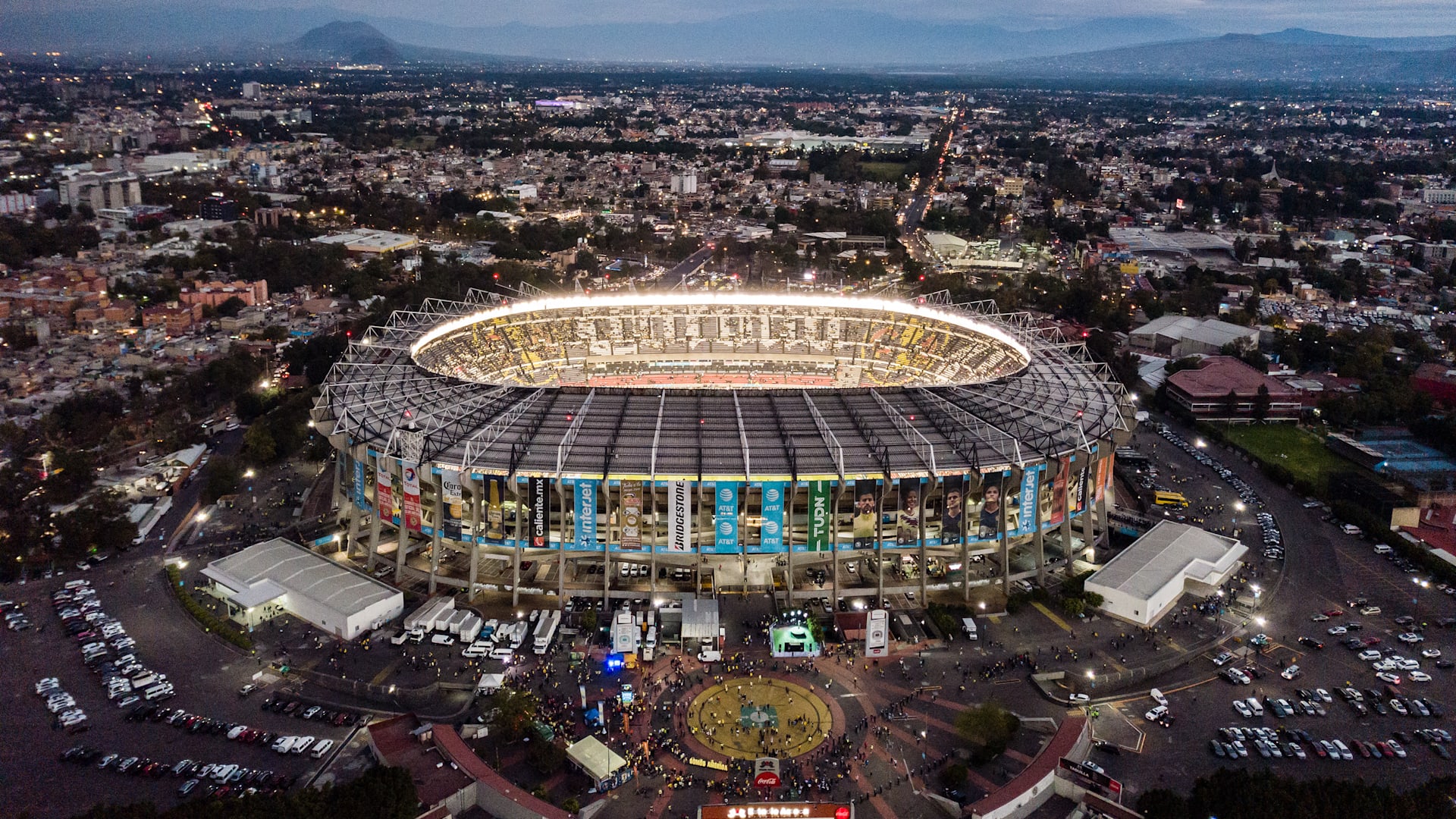
MEXICO CITY – As the international gaze shifts toward the 2026 FIFA World Cup, Mexico City has emerged as a primary focal point, designated to host the tournament’s historic opening match. While the allure of world-class football at the Estadio Azteca serves as a compelling catalyst for global travelers, the true essence of the experience lies within the city’s vast architectural and cultural tapestry. Far beyond the pitch, the Mexican capital stands as a sprawling monument to thousands of years of human ambition, offering a narrative that stretches from the foundations of the Aztec Empire to the heights of European royalty and the sleek lines of modern luxury.
The heart of any journey into the metropolis begins at the Zócalo, or the Plaza de la Constitución. As the city’s birthplace and one of the largest public squares in the world, the Zócalo rests directly atop the ruins of Tenochtitlan, the ancient Aztec capital. Visitors can still feel the weight of this history at the Templo Mayor, where the remnants of the Mexica civilization's most sacred site sit in the shadow of the Metropolitan Cathedral. This colossal cathedral, built over centuries with stones salvaged from indigenous temples, represents a complex fusion of Gothic, Baroque, and Neoclassical styles. Adjacent to it, the National Palace houses the executive power of the nation and is famously adorned with Diego Rivera’s sprawling murals, which chronicle the turbulent and triumphant story of the Mexican people from the arrival of Quetzalcoatl to the revolution.
Connecting the weight of the past with the energy of the future is the Paseo de la Reforma, the city’s grandest thoroughfare. Modeled after the great boulevards of Europe, this main avenue is a gallery of national identity. A walking tour along its wide sidewalks reveals the Monument to the Revolution and a series of sculptures celebrating the figures who shaped Mexico’s sovereignty. The undisputed crown jewel of the avenue is the Angel of Independence, a towering victory column topped by a 24-karat gold-leafed Winged Victory. This iconic landmark serves as the city's primary gathering point for both celebration and protest, symbolizing the resilient spirit of a nation that has continually redefined itself.

Related article - Uphorial Shopify

Just beyond the hustle of Reforma lies Chapultepec Park, a massive urban oasis that acts as the "lungs" of Mexico City. This park is a site of deep antiquity, home to ancient water sources that once supplied the Aztec capital. Perched atop a rocky hill within the forest is Chapultepec Castle, the only royal castle in the Americas. Originally a summer home for Spanish viceroys, the structure was transformed in the 1860s into the opulent residence of the Austrian Archduke Maximilian, who was briefly the Emperor of Mexico. Today, the castle’s meticulously preserved rooms and sprawling terraces provide an unmatched vantage point for viewing the modern skyline, bridging the gap between the era of monarchs and the 21st-century metropolis.
The city’s diverse character is perhaps best experienced through its contrasting neighborhoods. For those seeking a bohemian, local atmosphere, La Condesa offers tree-lined streets, Art Deco architecture, and a laid-back lifestyle centered around European-style cafes and lush parks. In stark contrast, the neighborhood of Polanco presents a more polished, upscale environment. Known as the city’s designer shopping central, Polanco is a hub for high-end dining, luxury hotels, and world-class museums, representing the sophisticated, globalized side of modern Mexican life.
While the 2026 World Cup provides the immediate incentive for a visit, the true discovery for any traveler is the staggering depth of Mexico City itself. It is a place where ancient springs still flow through modern parks and where the stones of Aztec palaces support the walls of a modern democracy. Whether one is drawn by the thrill of the opening match or the quiet majesty of a royal castle, the city offers a multifaceted journey that proves the most rewarding experiences are found not just in the destination, but in the layers of history waiting to be walked through.