The global cinematic landscape shifted permanently when the MonsterVerse migrated to the small screen, but it is the sophomore season of Apple TV+’s flagship series that has truly redefined how humanity visualizes its own insignificance. The release of the official retrospective showcasing the definitive creature encounters from this chapter does more than merely catalog visual effects achievements. It serves as a stark, cultural document detailing a fictional world in the throes of ecological re-alignment, capturing an era where the boundary between the human civilization we built and the primordial wilderness we forgot has entirely dissolved. This comprehensive chronicle acts as an intellectual anchor, forcing an exploration of how these colossal entities function not just as engines of narrative destruction, but as living, breathing metaphors for a planet pushing back against human disruption.
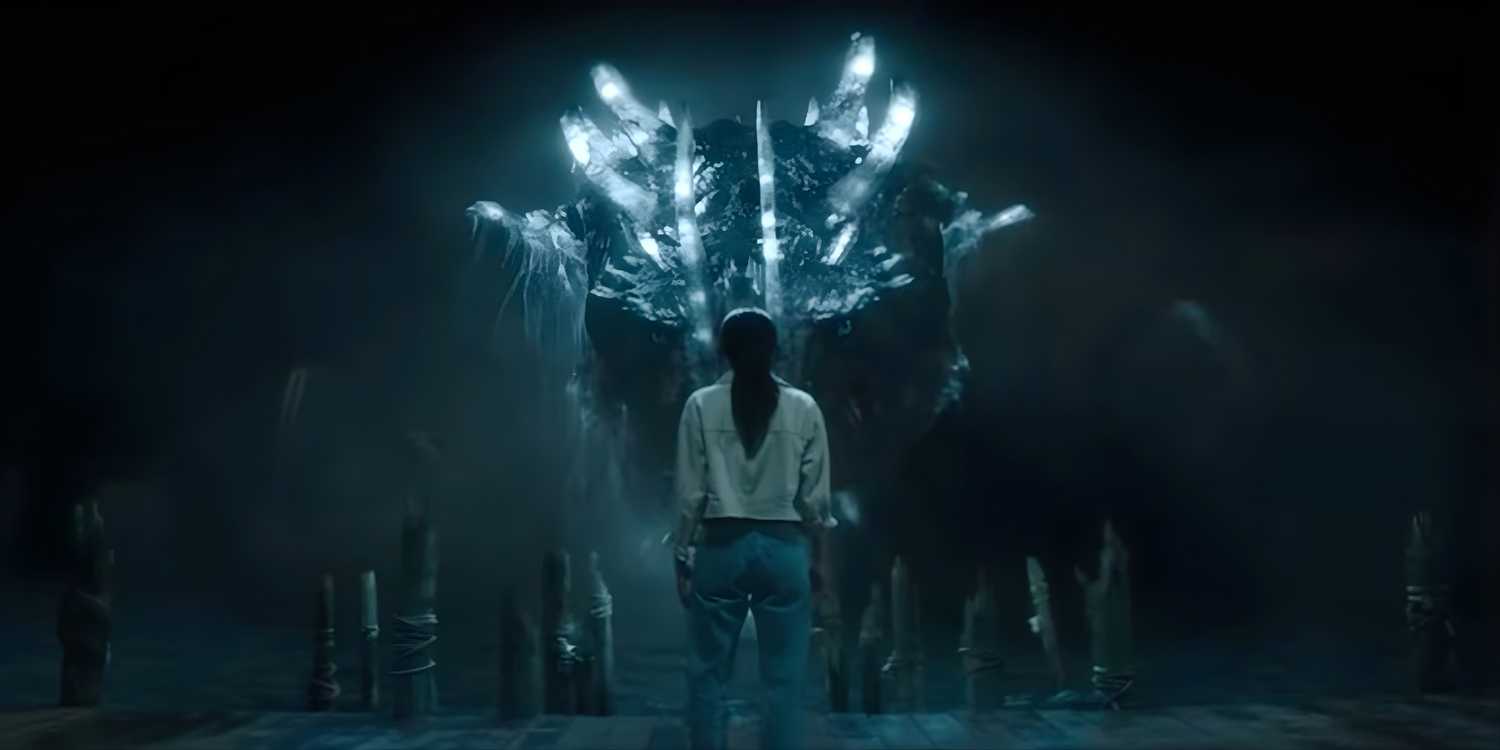
At the absolute center of this seasonal arc is the catastrophic awakening of Titan X, the bioluminescent, cephalopod-like nightmare also known across ancient mythologies as Co-Cai or Cai Cai Vilu. The creature represents a terrifying leap in the franchise’s biological world-building. Rather than a solitary brute, Titan X is framed as an entire invasive ecosystem unto itself. Its premature extraction from the deep subterranean pocket of Axis Mundi acts as the season’s inciting incident, a profound narrative choice that speaks directly to modern anxieties regarding environmental disruption and unchecked corporate overreach. When Apex and Monarch operations pierce the veil of Axis Mundi, they do not just wake a monster; they rupture a planetary seal. Titan X emerges not merely as an isolated predator, but as a moving continent of biological horror, instantly deploying swarms of dog-sized Scarabs that act as a terrestrial vanguard, consuming localized resources and constructing an imposing, calcified nesting ground that fundamentally threatens to rewrite Earth's existing food chain.
The geopolitical and ecological ripples of this awakening immediately draw the attention of the planet’s ultimate balancing force, leading directly to the mid-season’s most harrowing sequence: the oceanic interception by Godzilla. This encounter is directed with a masterclass in scale and cinematic weight, positioning the King of the Monsters not as a heroic savior, but as a deliberate, unyielding force of nature responding to an evolutionary anomaly. Triggered by the unique acoustic frequencies of Titan X’s mating and territorial call, Godzilla cuts through the South Pacific with singular, destructive intent. The ensuing open-ocean engagement strips away any remaining sense of human agency. Navy vessels are reduced to mere flotsam as the two titans collide in a churning vortex of atomic heat and bioluminescent fury. Godzilla’s victory is not clean; it is an exhausting, territorial eviction that forces Titan X into a desperate retreat, steering the multi-tentacled threat directly toward the most infamous ecological crucible on Earth: Skull Island.
Related article - Uphorial Shopify

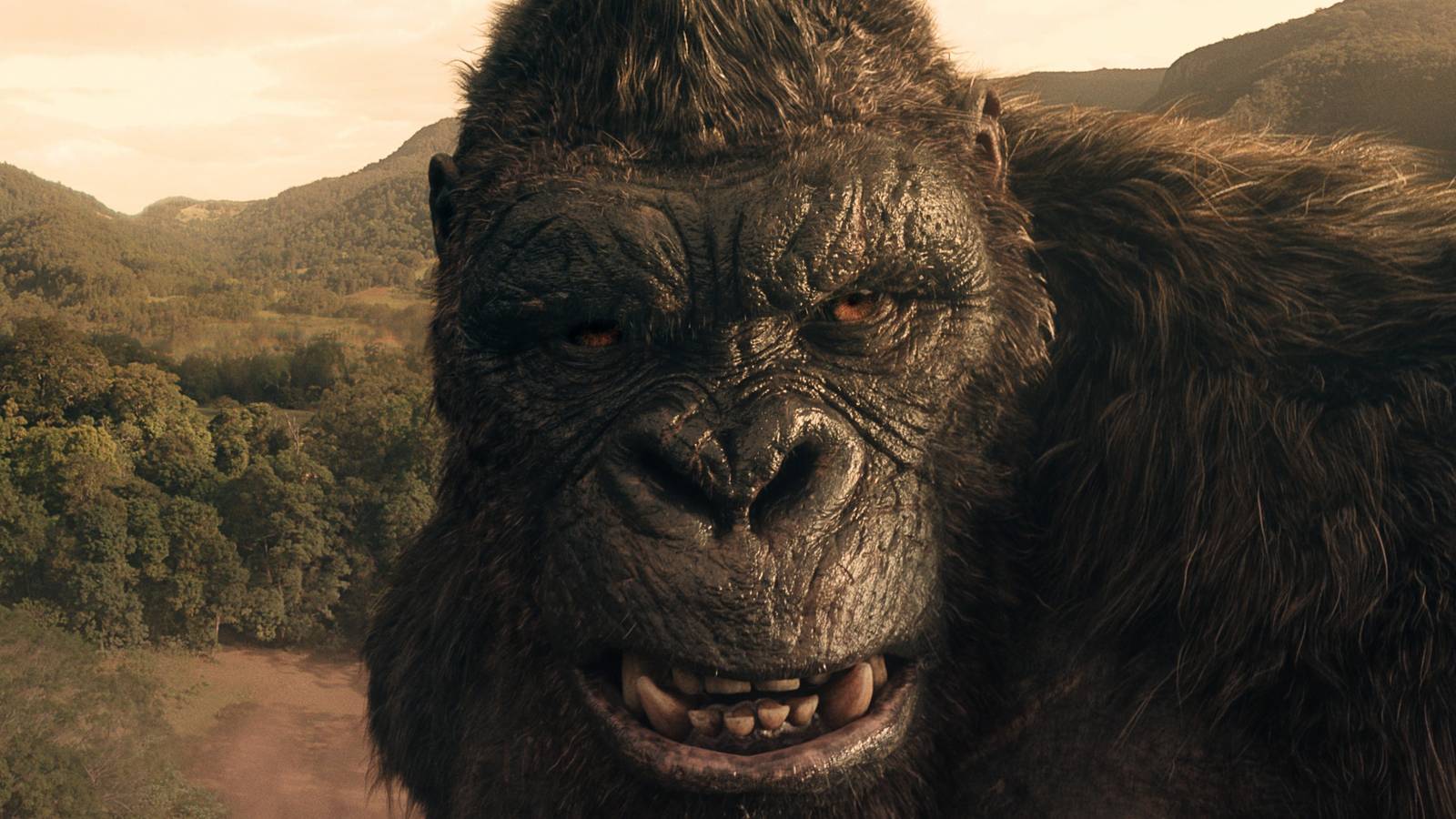
This migratory shift sets the stage for a spectacular final confrontation that elevates the back half of the season into a mythic war for territorial supremacy. Kong, reigning as the undisputed guardian of Skull Island, finds his entire insular kingdom under siege by an adaptable aquatic nightmare that threatens to choke out the local biosphere. The finale transforms the island's unique terrain into a scarred, shifting battleground. Unlike Godzilla’s detached, systemic approach to combat, Kong’s defense is deeply intimate and desperately physical. The choreography leverages Kong’s tool-using intelligence against the fluid, constricting anatomy of Titan X. Every impact carries a profound sense of weight and consequence, emphasizing the immense physical toll exacted on the aging protector. By the time the dust settles over the altered topography of Skull Island, the narrative has firmly established that these encounters are no longer random skirmishes; they are the violent, necessary labor pains of a planet attempting to re-establish an equilibrium that humanity continuously disrupts.
Yet, the true genius of this season’s storytelling lies in its refusal to focus solely on the apex predators, choosing instead to illuminate the dense, terrifying biodiversity that thrives in the shadows of the giants. The narrative heavily curates sightings of the smaller, yet equally lethal flora-fauna hybrids that make Axis Mundi and Skull Island living hellscapes for human personnel. Audiences are treated to the terrifying hunting patterns of Psychovultures and Leafwings, aerial predators that turn the island’s canopy into a vertical meat grinder. On the ground, the introduction of Brambleboars—massive, tusked swine sporting hyper-realistic plant camouflage—and the hyper-aggressive Vinerats and Vinestranglers underscores a terrifying evolutionary reality: in these zones, the line between animal life and predatory botany has been completely erased. The chaotic, closing episodes even introduce Stampede Caterpillars, a massive superspecies whose panicked migration acts as a living avalanche, demonstrating that the mere movement of the island's secondary wildlife is enough to wipe out entire military installations.
Just as the season reaches what appears to be its natural emotional resolution, the narrative strategically recalibrates to broaden the scope of the entire MonsterVerse, leaving an indelible mark on the audience with a breathtaking closing reveal. Deep within an uncharted subterranean pocket, the legendary Lee Shaw makes a discovery that instantly reframes the geopolitical stakes of the series: the dormant, smoldering form of Rodan. The fiery Titan lies encased in a state of volatile hibernation, a ticking tectonic time bomb that promises to bring a literal baptism of fire to subsequent chapters. This final image shifts the series from a self-contained survival story into a sweeping, apocalyptic epic. It leaves humanity with the chilling realization that the crises they have just survived are merely the opening salvos of a much larger, global awakening, ensuring that the legacy of Monarch remains permanently bound to the terrifying, magnificent evolution of a world that no longer belongs to mankind.