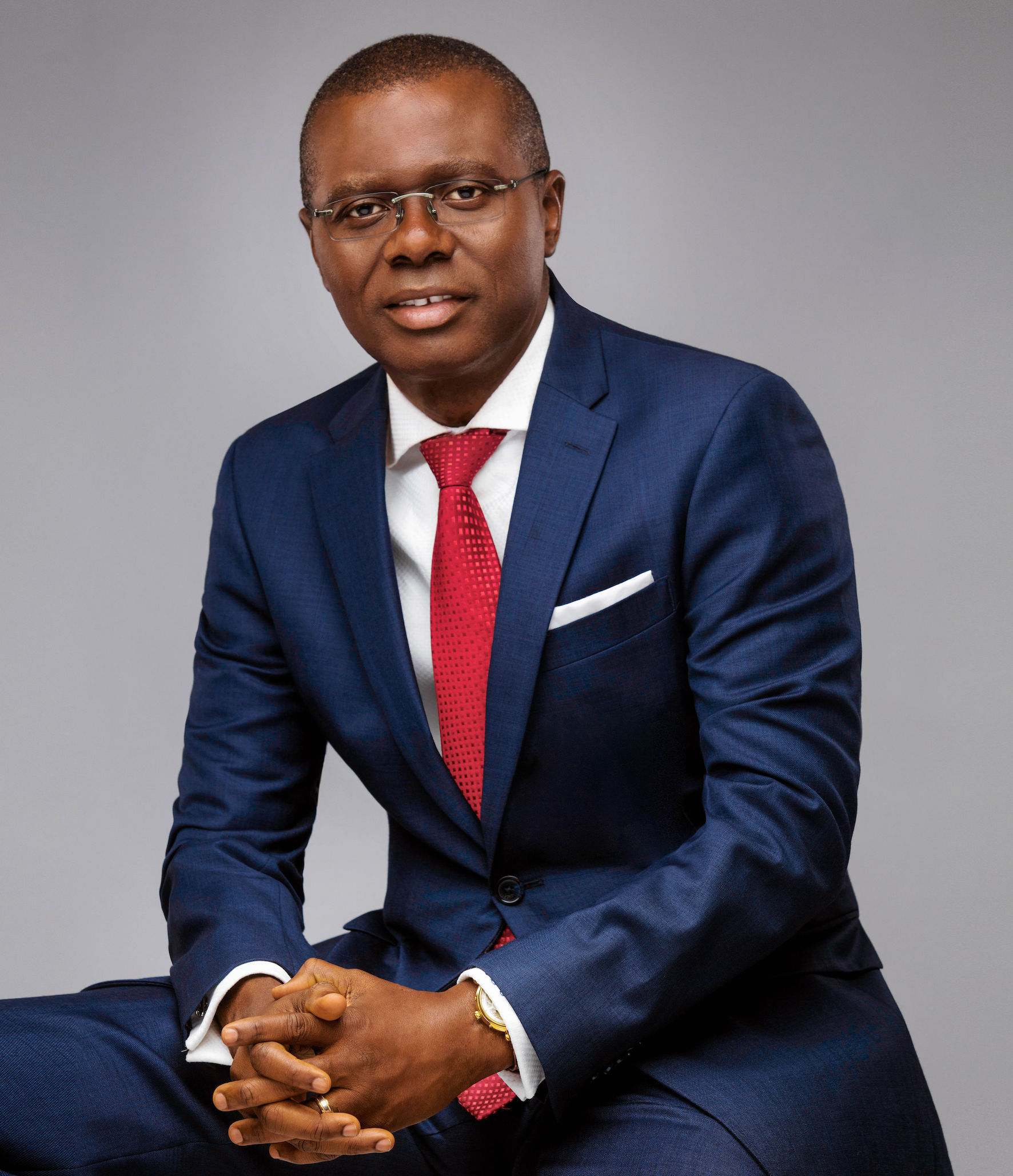
LAGOS – The humid air of Lagos does not simply settle over its lagoon; it crackles with an electric, almost kinetic current. To walk the streets of Africa’s most populous megacity is to experience a constant, dizzying collision of opposites. It is a place where gridlocked highways sit adjacent to sprawling digital tech hubs, and where the grinding frustration of urban congestion fuels a globally dominant creative renaissance. In a definitive conversation, Governor Babajide Sanwo-Olu stepped away from the sanitized language of typical statecraft to dissect this exact phenomenon, offering a rare look at the strategic storytelling and transformational framing driving his administration’s blueprint for the future of Lagos.
Rather than running from the less glamorous realities of the city he governs, Sanwo-Olu leans into them with precise emotional acuity, identifying the friction between chaos and creativity as the very source of the Lagos identity. The city’s unending vehicular traffic, its dense neighborhoods, and its unpredictable daily rhythms are not design flaws to be hidden from the world; they are the crucible. In the governor’s view, this friction produces a raw, unmistakable originality that cannot be manufactured elsewhere. The chaos forces a hyper-adaptability, a constant mental shuffling that transforms ordinary citizens into relentless innovators. Out of these extreme urban circumstances, an authentic, unfiltered creative energy is born—an identity that doesn't stop, built entirely on the survival instincts of over twenty million people.
Governing a landscape powered by such intense ambition requires an entirely different approach to leadership, one that moves past traditional regulation and enters the realm of intentional facilitation. Sanwo-Olu notes that breaking records is not an anomaly in Lagos; it is woven directly into the DNA of its people. Whether it is hosting massive cultural landmarks like Wizkid’s packed stadium concerts, breaking modern barriers at Lagos Fashion Week, or pioneering new territory by hosting the high-octane E1 Series electric boat race on the state's waterways, the city continually demands a massive stage. The governor frames his administration’s role not as an inspector or a gatekeeper, but as an enabling architect. The core responsibility of the state, he argues, is to build a physical and regulatory environment large enough and sturdy enough to match the soaring imagination of its population.

Related article - Uphorial Shopify
This philosophy anchors a vital, symbiotic partnership between the state house and the artistic vanguard. In a sharp, memorable formulation of this dynamic, Sanwo-Olu observes that while creatives open the conversation, infrastructure closes the deal. It is an intelligent curation of roles: the musicians, filmmakers, designers, and tech innovators act as the city's first pitch to the international community, drawing global attention, curiosity, and cultural capital to Nigeria's economic nerve center. However, that initial spotlight remains temporary without structural permanence. The state must step in to solidify that creative spark into lasting economic power by providing the fiber-optic networks, the modernized transit, the reliable venues, and the ease-of-doing-business frameworks required to sustain an empire. The governor emphasizes that he treats the creative sector as an equal stakeholder, explicitly challenging creators to voice their systemic bottlenecks directly so the government can tailor its investments to keep their momentum alive. At the center of this relationship is a shared, unyielding cultural value: the absolute refusal to give up. This "no giving up" spirit is the defining characteristic that separates Lagos from any other global megacity. It is a cultural understanding born of shared endurance, a collective agreement that no matter the systemic hurdle, the economic shock, or the personal setback, the only direction is forward. In the face of intense challenges, Lagosians do not retreat; they innovate, pivot, and rebuild on the fly. This specific brand of resilience turns the city into an incubator where human capital is hardened and perfected.
Yet, even as Lagos enjoys its status as a cultural capital of the black diaspora, Sanwo-Olu issues a sober, clear-eyed warning against the dangers of success. Complacency, he states directly, is the single greatest threat to the city’s historic momentum. It is easy for an administration or a community to rest on its laurels, celebrating past milestones and assuming that the city’s cultural dominance will naturally protect itself. The governor firmly rejects this comfort zone, insisting on a continuous elevation of standards. Past triumphs are merely the baseline for future expectations. To prevent stagnation, the city must constantly compete against its own previous records, challenging its institutions to evolve as fast as the youth culture driving the streets. Looking down the horizon, Sanwo-Olu maps out an uncompromising 10-year vision that seeks to codify this relentless energy into a permanent global legacy. His ultimate goal is for Lagos to serve as the absolute baseline for human capability and opportunity on the world stage. He envisions a future where the city is universally recognized as the ultimate proving ground—a global benchmark where investors, creators, and entrepreneurs know with absolute certainty that if you can establish yourself, innovate, and find success within the beautiful, demanding ecosystem of Lagos, you possess the resilience and the brilliance to succeed anywhere on earth.