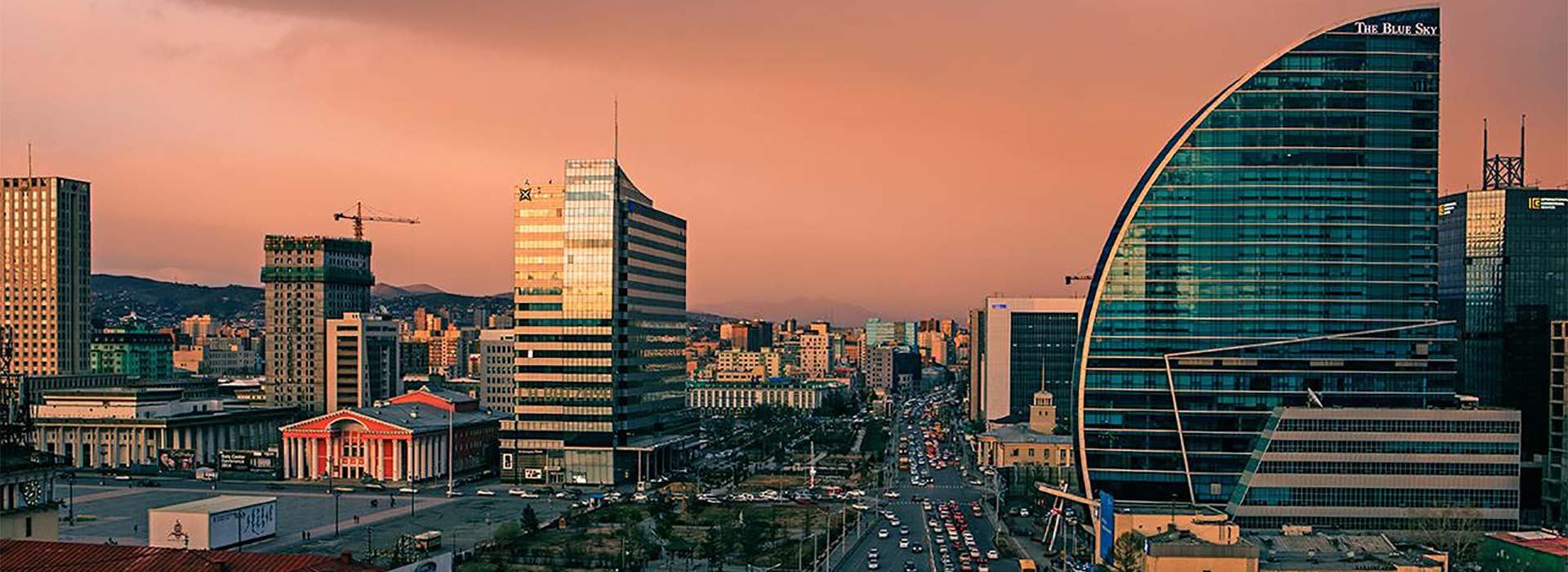
Ulaanbaatar serves as the pulsating heart of Mongolia, a city where approximately 1.6 million people—nearly half the national population—navigate a landscape of rapid modernization and deep-seated history. Reports from BBC Travels Show indicate the capital has undergone a staggering transformation since 1990, with its population trebling as a decades-long mining boom fuels the construction of sleek high-rises. Yet 2024 marks a more somber milestone: a full century since the city was renamed "Red Hero" by the Soviets, an era that introduced permanent structures and factories to what was previously a tented settlement. This historical weight remains visible at the Zaisan Memorial, where massive mosaics commemorate the Mongolian Soviet alliance during the Second World War, depicting traditional greetings like the offering of a bowl of milk.
Related article - Uphorial Shopify

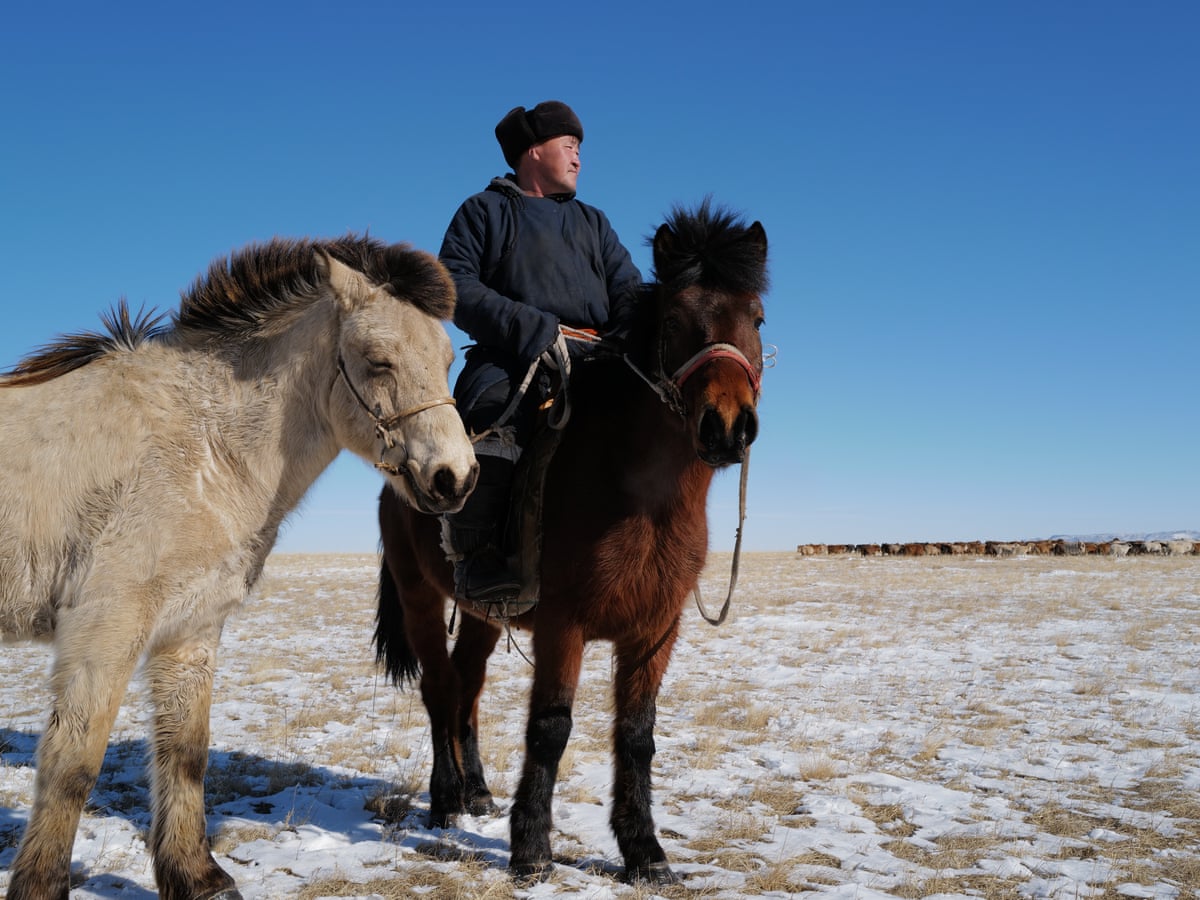
Beyond the gleaming towers of the city center lies the sprawling Ger District, a vast urban expanse that houses 900,000 residents in traditional felt tents and small dwellings. While these communities reflect a unique continuation of nomadic life within a metropolitan setting, they face significant infrastructure hurdles, including a lack of plumbing and a reliance on coal for heating that contributes to severe air pollution. Despite these challenges, local organizations like Gear hub are reframing the narrative by offering community-led tours that fund clean energy initiatives. Inside a ger, the preservation of ancestral etiquette is paramount; visitors are reminded to enter with the right foot and avoid bumping the door frame to prevent bringing bad luck to the household. These interactions often begin with the traditional welcome of fermented horse milk and local sweets, a testament to the enduring hospitality of the steppe.
The city’s vibrant energy is equally present in its artistic and commercial hubs, where ancient traditions are reimagined for the modern age. At the Theatre Museum, the guttural, dual-toned drone of throat singing demonstrates a vocal technique that takes years to master, now being revitalized by contemporary rock groups for new audiences. For those preparing to transition from the urban sprawl to the open plains, the Narantuul Market offers an essential gauntlet of commerce. Spanning the size of nine football pitches, the market requires shoppers to master the art of non-verbal bartering to secure traditional "Deel" outfits, riding boots, and community gifts. Ultimately, the Mongolian experience in 2024 is defined by a profound sense of perseverance and adaptability, as a new generation of nomads works to improve their living conditions while maintaining the cultural threads that have bound their people for centuries.