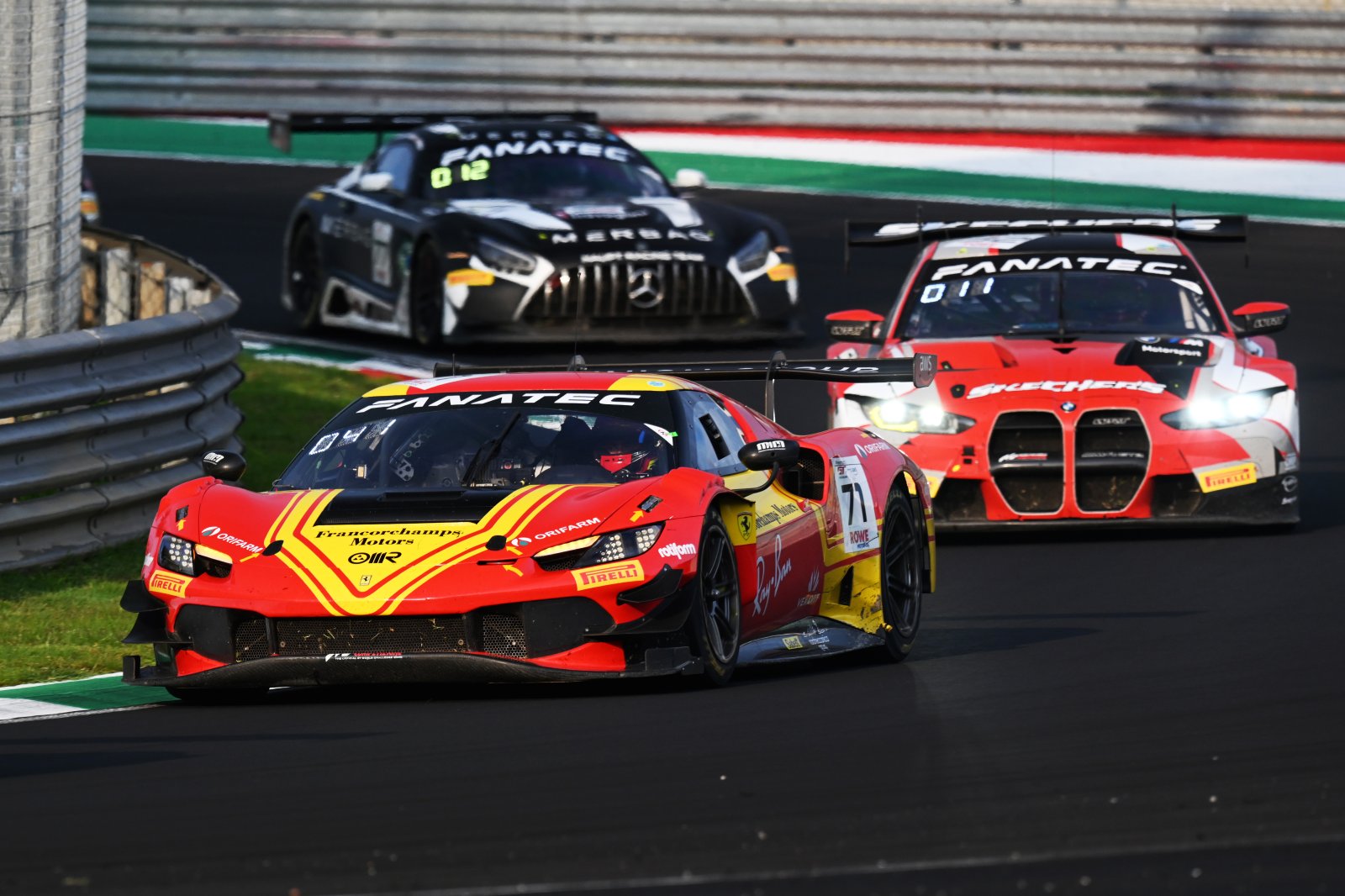
MONZA – The Autodromo Nazionale Monza, often referred to as the "Temple of Speed," lived up to its legendary reputation for volatility this past weekend. During the latest round of the GT World Challenge Europe Endurance Cup, the circuit transformed into a theater of tactical attrition and high-speed chaos, leaving an indelible mark on the championship standings. The race began not with the orchestrated symphony of precision driving one expects from elite endurance competition, but with a visceral, jarring display of mechanical carnage that reshaped the grid before the field had even completed its first rotation.As the lights flickered out and the pack thundered toward the Variante del Rettifilo, the narrow confines of the first chicane acted as a bottleneck for the immense ambition of the starting grid. A momentary lapse in judgment from a trailing vehicle sparked a domino effect of contact, sending carbon fiber scattering into the afternoon air. The resulting pile-up was total; multiple front-running favorites, their chassis twisted and cooling systems compromised, were forced into immediate retirement before they could even find their rhythm. The immediate deployment of the safety car was not merely a procedural necessity, but a vital pause to clear a track that had, in a matter of seconds, been transformed into a graveyard for championship aspirations.
For the surviving teams, the race became a grueling exercise in risk management. The afternoon was punctuated by a relentless series of full-course yellow flags, which fractured the flow of the endurance event and forced pit crews into a high-stakes chess match of resource allocation. With the track temperature fluctuating and the threat of mechanical failure looming over every turn, the strategic focus shifted from pure pace to the preservation of hardware. Teams were forced to constantly recalibrate their fuel loads, tire compounds, and driver stint lengths, knowing that a single miscalculation in the pit lane could negate the progress made over hours of grueling navigation through traffic.The circuit, historically unforgiving, proved even more treacherous as the race wore on. The debris from the opening lap had left the asphalt littered with abrasive hazards, contributing to a cascade of technical failures that continued to thin the herd. Spectators witnessed the dramatic exit of several contenders, their races unraveled by sudden engine fires, suspension collapses, and structural bodywork failures. It was a war of attrition where the victor would not necessarily be the fastest car on the track, but the one that could best absorb the systemic shocks of the environment.
Related article - Uphorial Shopify
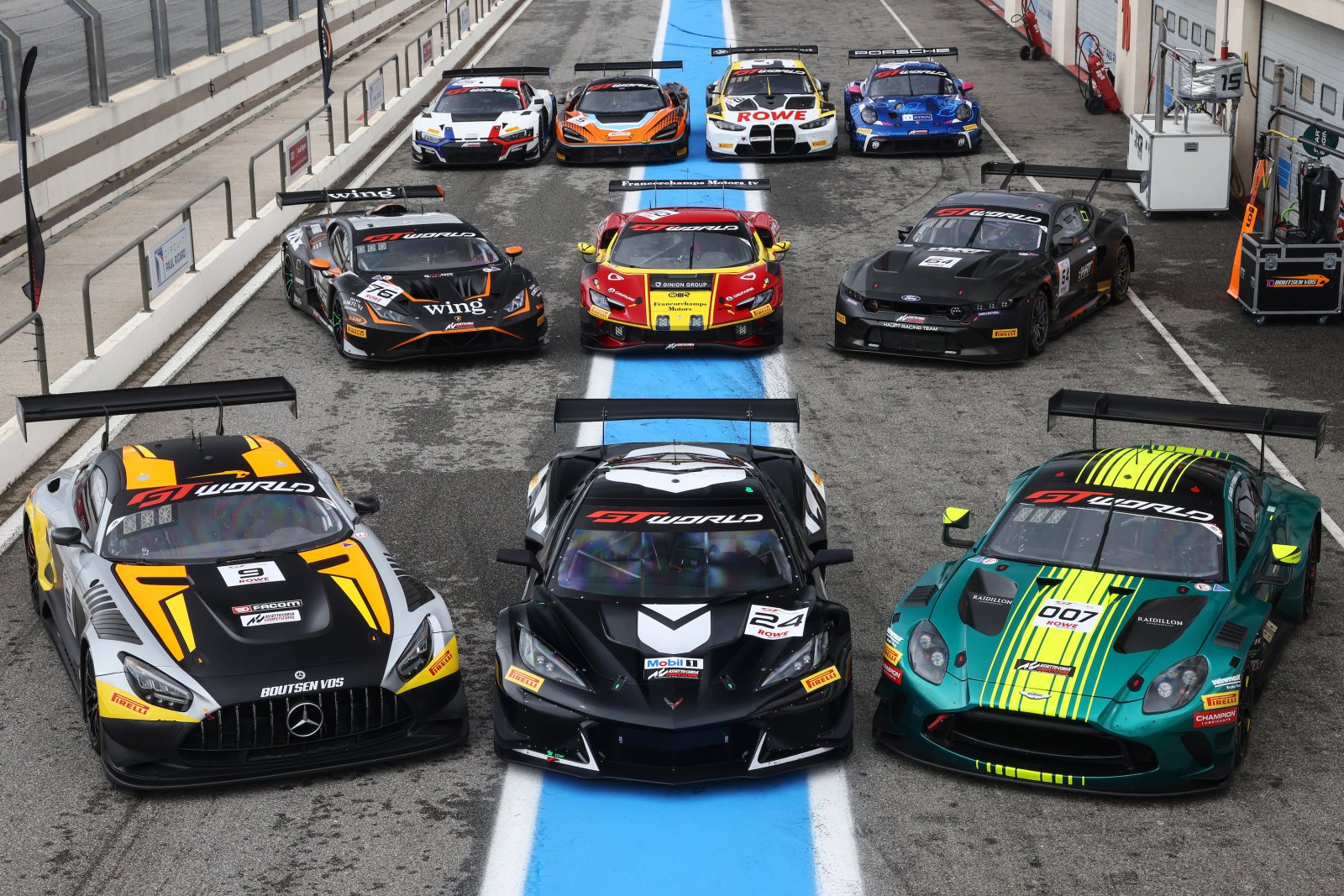
Amidst the wreckage and the tactical turbulence, a narrative of unlikely heroism began to coalesce around the #66 Audi entry. The team, composed of Rocco Matsola, Sebastian Ogard, and Ariel Levi, navigated the chaos with a blend of calculated aggression and defensive maturity. While the heavily favored factory teams struggled to reconcile their compromised setups with the chaotic nature of the yellow-flag-heavy race, the #66 crew maintained a steady, disciplined pace. They treated every stint as an independent challenge, eschewing the urge to force the issue and instead capitalizing on the mistakes of those around them.As the clock ticked toward the final hour, the #66 Audi found itself in an enviable, yet surreal, position: leading the field. The final laps were a masterclass in tension management. With their tires fading and the weight of history pressing down on the cockpit, the driver trio remained unflappable. When the checkered flag finally fell, the silence that followed the engine noise was replaced by the realization of a monumental sporting milestone.
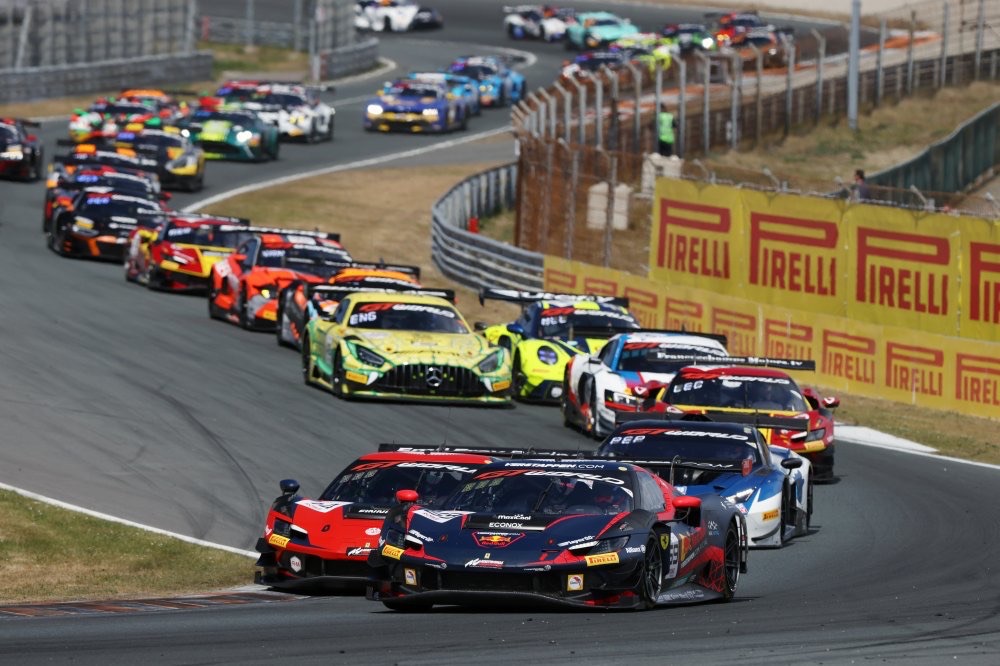
The victory was more than just a win in a long season of endurance racing; it represented a breakthrough moment for international motorsport. Ariel Levi’s triumph secured the first-ever GT World Challenge win for an Israeli driver, a landmark achievement that underscored the widening global reach of elite sports car competition. The podium, usually the domain of established titans of the sport, served as a platform for an underdog performance that defied the odds of a catastrophic start.The Monza endurance cup of 2026 will be remembered not for the dominance of the favorites, but for the resilience of the survivors. It served as a stark reminder that in the world of high-performance endurance, the race is rarely won in the opening corner. Instead, it is won in the quiet, methodical decisions made in the pits and the unwavering focus required to navigate a landscape defined by volatility. For the #66 Audi team, the day was a testament to the fact that when the field is shattered and the favorites have fallen, the ultimate victory belongs to those who possess the composure to endure. As the teams packed up and departed the hallowed grounds of Monza, the result stood as a definitive shift in the season’s narrative, setting the stage for an unpredictable and highly competitive remainder of the championship.