Nelson Mandela is a name that history refuses to let go of — not because he craved its attention, but because he earned its respect. Born in 1918 in a quiet village in South Africa, his life would become anything but quiet. Yet, the world often remembers Mandela as the smiling elder statesman, the man who stepped out of prison after 27 years and forgave those who put him there. That image is true, but it’s not the whole story. And perhaps, that’s where we’ve failed him.
Mandela was not always the gentle reconciler. He was once a revolutionary prepared to die for freedom. Long before the Nobel Prize, he was labeled a terrorist by those who feared the change he represented. In the shadows of apartheid, where Black South Africans lived like strangers in their land, Mandela’s fire was ignited. He believed freedom was not a request — it was a right. And that conviction led him to the African National Congress (ANC), to underground movements, to armed resistance when peaceful protests fell on deaf ears.

Related article - Uphorial Podcast
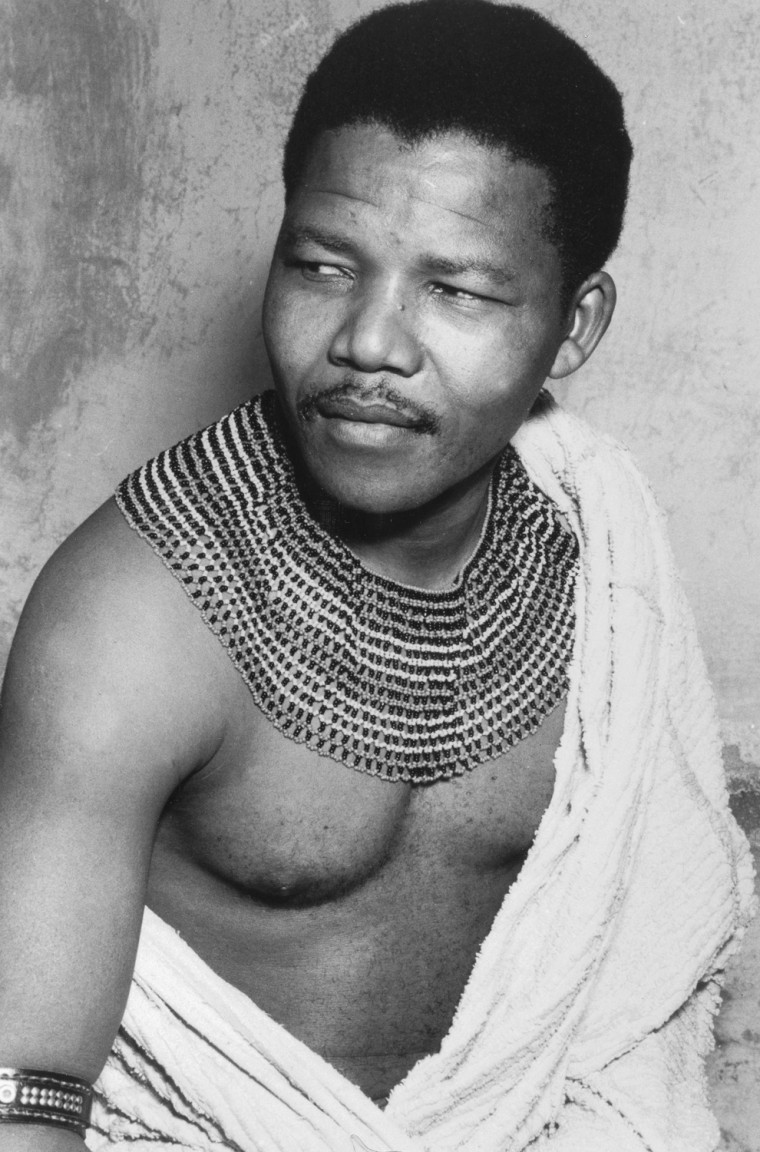
The world saw his fists raised, but it did not always hear his heart beating underneath. Imprisoned in Robben Island’s cold cell, Mandela was stripped of everything but his resolve. While bars held his body, they could not cage his mind. For 27 years, he dreamed of freedom not just for himself, but for a country fragmented by hate. When he finally walked free in 1990, it wasn’t to seek revenge. It was to lead.
In 1994, South Africa held its first democratic elections. Black citizens, once invisible in their own democracy, lined up to vote for the first time. Mandela became president — not just in title, but in spirit. He wore forgiveness like armor, understanding that unity could not be achieved through retaliation. His leadership was the art of healing, but also the burden of compromise. Critics argued he forgave too easily. But Mandela knew that building a nation sometimes means letting go of battles to win the war.
Yet, here’s the truth we often avoid: Mandela’s work was unfinished. The end of apartheid did not end inequality. Today, South Africa struggles with economic disparities, systemic racism, and political instability. Millions still live in poverty, and the wealth remains largely in the hands of a privileged minority. What Mandela started was a blueprint, not a finished structure. His dream of a “Rainbow Nation” flickers, caught between promise and reality. Why does this matter now? Because globally, Mandela’s story is used like a comforting blanket — something to inspire, but not necessarily challenge. Every July 18th, on Mandela Day, people volunteer, donate, and post quotes. But Mandela’s life was not a soundbite. It was a life lived in sacrifice, strategy, and struggle. His legacy demands action, not applause.
Mandela taught that change is not inevitable; it is fought for. His story reminds us that leadership means choosing what is difficult over what is popular. It means forgiving when hatred would be easier. And it means understanding that the fight for equality doesn’t end with political freedom — it continues until justice enters every home, every school, and every system. Today, his statue stands in Pretoria, his face carved in marble. But perhaps the most honest tribute is to recognize that the journey he began remains incomplete. He didn’t free South Africa alone, nor can his dream survive in memory alone. The responsibility lies with those who remember him. And with those willing to continue the fight. Mandela’s life wasn’t just a chapter in history — it was the start of a story we are still writing.