HOUSTON - The orange tide that swept through Houston Stadium on that fateful Saturday afternoon was not merely a display of sporting prowess; it was an emphatic statement of intent. For a Netherlands side that had arrived in North America carrying the heavy expectations of a nation—and still stinging from the frustration of a 2-2 opening stalemate against Japan—this second group stage encounter with Sweden was more than a match. It was a crucible of identity. When the final whistle blew, echoing through the rafters of the Houston arena, the scoreboard read a resounding 5-1 in favor of the Dutch, a scoreline that acted as both a cathartic release for the team and a cold, hard warning to the rest of the world.
From the opening kickoff, there was an unmistakable shift in the Dutch temperament. The anxiety that had seemed to grip their movements against Japan was replaced by a calculated, muscular aggression. Coach Ronald Koeman had clearly spent the intervening days meticulously dismantling the flaws in his side’s tactical architecture, and the result was a performance that felt surgically precise. Central to this transformation was the introduction of Brian Brobbey. Tasked with leading the line, the striker acted as the focal point around which the entire Dutch offensive orbit revolved. His presence was not just felt in the physical duels he won against the Swedish central defenders, but in the gravitational pull he exerted, creating the pockets of space that his teammates were all too eager to exploit.

Related article - Uphorial Shopify
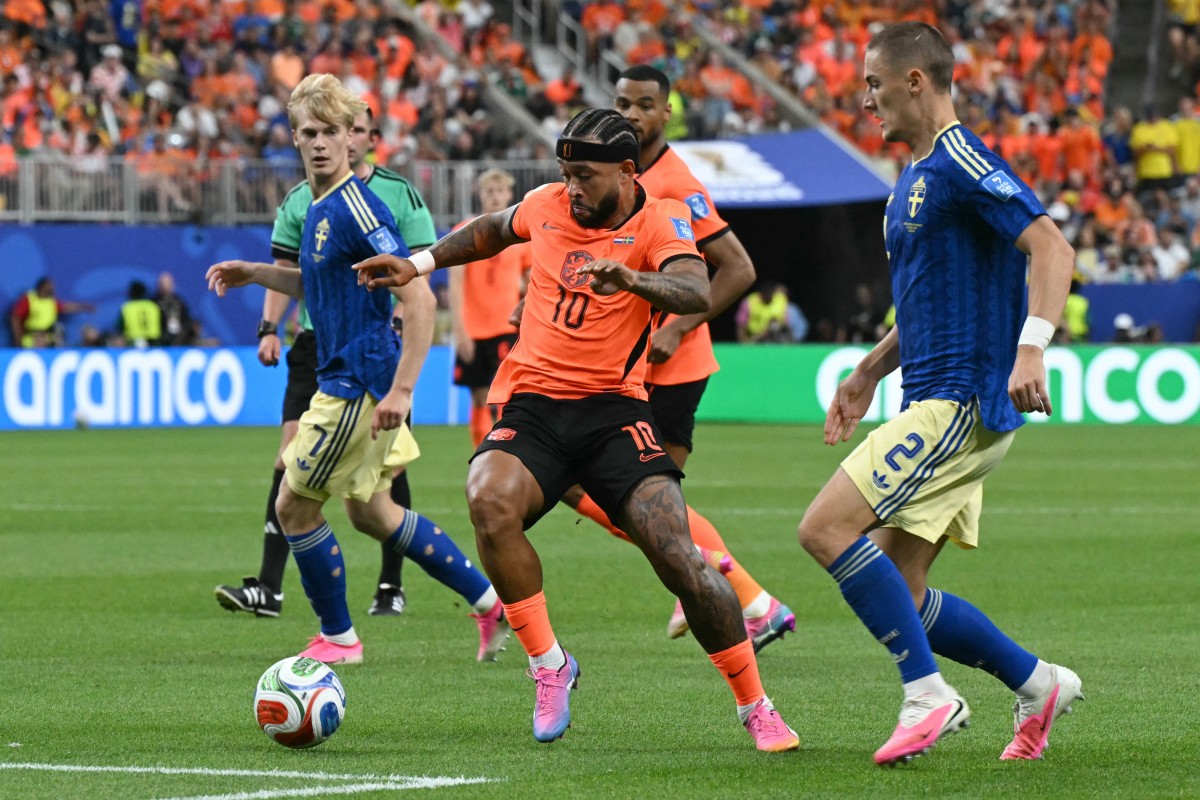
The first half was a masterclass in relentless pressure. While Sweden, coming off a high of their own after a previous victory over Tunisia, sought to carve out a foothold in the match, they found themselves suffocated by a Dutch press that seemed to operate with a singular, hive-mind intensity. Every time the Swedes attempted to transition—to break the lines and find their own clinical edge—they were rebuffed. There was a moment, midway through the half, when the tension reached a boiling point; a Swedish goal was nullified by an offside flag, a decision that brought a collective exhale from the thousands of orange-clad supporters. Minutes later, Bart Verbruggen, the Dutch goalkeeper, reminded everyone why he is held in such high regard, making a series of crucial interventions that preserved the momentum his outfield teammates had worked so hard to build.By the time the players retreated to the dressing rooms at halftime, the match already felt like it was tilting on a precarious axis. The Dutch had not just scored; they had demonstrated a tactical fluidity that allowed them to toggle seamlessly between defensive solidity and blistering counter-attacks. However, it was the period immediately following the second-half hydration break that truly severed the contest. The heat of the Texas afternoon seemed to act as a catalyst for the Netherlands, who returned to the pitch with a renewed vigor that left their counterparts trailing in their wake.

Cody Gakpo, a figure who had been orchestrating the flow of the game with the calm demeanor of a seasoned veteran, suddenly pivoted into a role of pure execution. His brace—two clinical strikes that spoke of a player at the absolute peak of his confidence—effectively slammed the door shut on any dreams of a Swedish comeback. The goals were not merely individual feats; they were manifestations of a systemic synchronicity, the culmination of precise crosses, intuitive movement, and a ruthless desire to punish every Swedish hesitation. When Chrysencio Summerville added the final flourish, a fifth goal in the dying embers of the game, it served as the exclamation point on a complete performance.Anthony Elanga’s consolation strike for Sweden, a moment of individual brilliance that pierced the Dutch defense, was a reminder of the quality the Swedes possessed, yet it did little to dampen the jubilant atmosphere in the stands. For the Netherlands, the result was transformative. In the span of ninety minutes, they had moved from a team with questions hanging over their consistency to a side that looked, for all intents and purposes, like a legitimate title contender.
As the squad walked off the pitch to the thunderous applause of the 69,000 in attendance, the significance of the result was palpable. They had successfully navigated the "tournament opener hangover" that often plagues the great footballing nations. By topping their group with four points from two matches, they had ensured that their destiny remained firmly in their own hands. This was not just a victory of five goals to one; it was a victory of composure over chaos, and a resounding declaration that the Oranje had arrived in the 2026 World Cup not just to participate, but to leave an indelible mark on the history of the sport. The message to the tournament favourites was clear: the path to the trophy would inevitably run through a team that had finally found its rhythm, its bite, and its belief.