LONDON — In a definitive medical report delivered by a leading eye specialist, a quiet yet devastating threat to global public health has been brought to the absolute forefront of modern healthcare discourse. Glaucoma, an intricate eye condition characterized by progressive damage to the main optic nerve connecting the eye to the brain, currently stands as one of the leading causes of irreversible blindness worldwide. Typically precipitated by an insidious buildup of fluid and subsequent eye pressure, this condition is being reframed by clinical experts not merely as an isolated ocular disease, but as a critical, time-sensitive challenge to systemic wellness. Through an intelligent curation of diagnostic realities, risk factors, and therapeutic interventions, the specialist’s overview provides a transformational framing of preventative eyecare, shifting the public narrative from passive reaction to an urgent, lifetime mandate of proactive visual preservation.
The narrative of this ophthalmic crisis is delivered with a searing emotional precision that addresses the profound psychological weight of asymptomatic vision loss. Because the most prevalent form of the condition—primary glaucoma—develops with an agonizing slowness over the course of several years, it has earned the chilling moniker of the "silent thief of sight." For millions of individuals globally, the disease progresses entirely unnoticed in its foundational stages, quietly eroding peripheral vision while leaving central sight temporarily intact. The strategic storytelling embedded within this medical briefing reveals a tragic paradox: by the time a patient independently notices a structural deficit in their visual field, irreversible and permanent damage to the optic nerve has already occurred. This stark reality underscores the vital, lifesaving necessity of comprehensive ocular screening, establishing that routine diagnostic intervention is the only viable infrastructure capable of intercepting the disease before it claims a patient’s independence.
To truly understand the epidemiology of this condition, the report demands a sophisticated cultural understanding of systemic healthcare disparities and genetic vulnerabilities. While glaucoma is most commonly diagnosed in adults aged 50 and older, the biological trajectory of the disease is heavily influenced by ancestral heritage. Individuals of Black African, African Caribbean, or East Asian descent face a significantly higher statistical risk of developing the condition, often experiencing an onset that is both earlier in life and far more aggressive in its progression. This crucial intersection of genetics and public health highlights the necessity of localized, culturally aware medical outreach. It challenges the historical, monolithic assumption that glaucoma is exclusively a disease of old age, forcing a transformational re-evaluation of screening protocols for historically marginalized communities who require earlier and more frequent diagnostic vigilance.

Related article - Uphorial Shopify
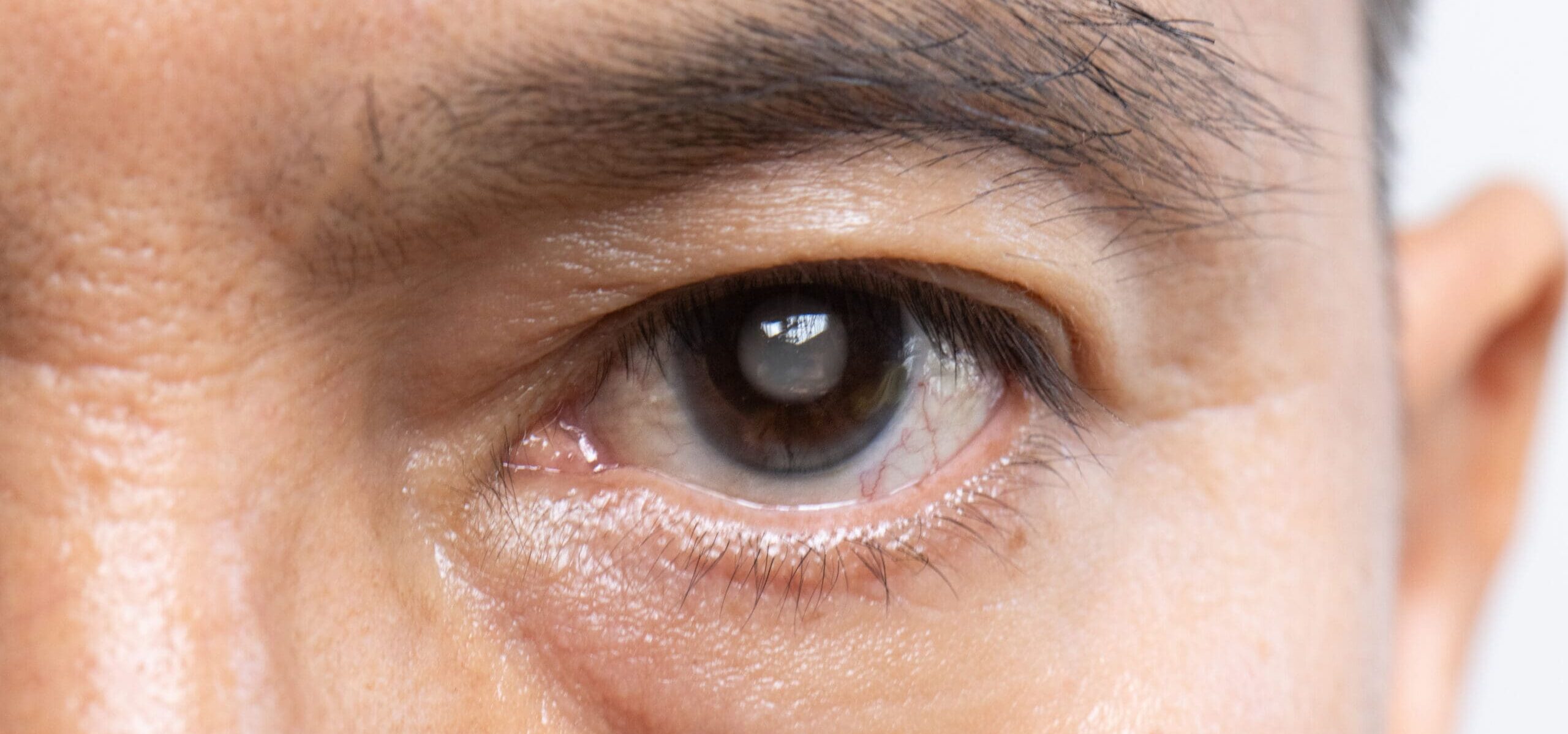
While primary glaucoma operates in the shadows, the specialist’s report balances this narrative by illuminating the chaotic, high-stakes reality of acute variations of the disease. In stark contrast to the slow, painless progression of chronic forms, certain types of glaucoma can trigger a sudden, catastrophic spike in ocular pressure. This manifestation presents with an intense, agonizing eye pain, severe redness of the ocular surface, blurred vision, localized headaches, and systemic symptoms such as acute nausea. The emotional precision used to describe this clinical emergency is intentional; it serves to alert the public that these symptoms constitute an immediate threat to sight. The specialist issues a clear, unambiguous mandate for emergency care: anyone experiencing sudden, intense eye pain must bypass standard clinics and seek urgent medical attention at an Accident and Emergency department immediately, or utilize emergency triage lines like 111 if they cannot safely navigate to a hospital on their own.

Beyond primary and acute manifestations, the intelligent curation of the disease’s taxonomy reveals a highly diverse clinical landscape. The report details the existence of secondary glaucoma, an administrative category where the elevation of eye pressure is directly traced to external trauma, physical injury, or pre-existing systemic medical conditions. Furthermore, the analysis acknowledges the rare and heartbreaking reality of childhood glaucoma, a congenital or developmental variant that demands immediate, highly specialized pediatric intervention. By mapping these distinct variations, the specialist deconstructs the myth of glaucoma as a uniform condition, illustrating instead a multifaceted pathological adversary that requires tailored, highly specific diagnostic tools to detect and manage across a patient’s entire lifespan.
The strategic storytelling of the report culminates in a realistic yet hopeful assessment of modern therapeutic management. Although clinical science has yet to discover a definitive cure for glaucoma, the specialist emphasizes that the condition can be successfully managed to halt or dramatically slow down further vision loss. The modern arsenal of treatment options represents a sophisticated spectrum of intervention, ranging from the daily administration of pressure-lowering eye drops to targeted laser therapy and advanced surgical procedures designed to optimize fluid drainage. However, the transformational framing of this treatment model relies entirely on the concepts of consistency and compliance. Because the damage is permanent, the success of these therapies is completely contingent upon rigorous, lifelong monitoring through regular follow-up appointments, turning the management of glaucoma into a collaborative, long-term covenant between the patient and their eye care team. Ultimately, this medical briefing serves as a powerful, stabilizing guide in an era of shifting health priorities. It reminds a global population that the gift of sight is maintained not by luck, but by deliberate, structural intervention. If you harbor any concerns about your vision, or if you belong to a high-risk demographic, the mandate is clear: you must actively consult a general practitioner or a qualified optician for a professional, comprehensive assessment. Regular eye tests, mandated at least every two years, remain the definitive line of defense against an invisible predator, ensuring that the vital bridge connecting the eye to the brain remains unbroken.