NEW YORK – In a comprehensive physiological report released by the Institute of Human Anatomy, researchers have detailed the profound and often invisible ways in which obesity recalibrates the human body’s internal environment. Moving beyond the traditional focus on body mass index and aesthetic measurements, the study highlights that adipose tissue is not merely an inert storage depot for energy but is, in fact, a highly active biological organ. This cellular activity triggers a cascade of inflammatory signals and metabolic shifts that systematically alter the function of the heart, liver, and pancreas, creating a state of internal duress long before physical symptoms become apparent.
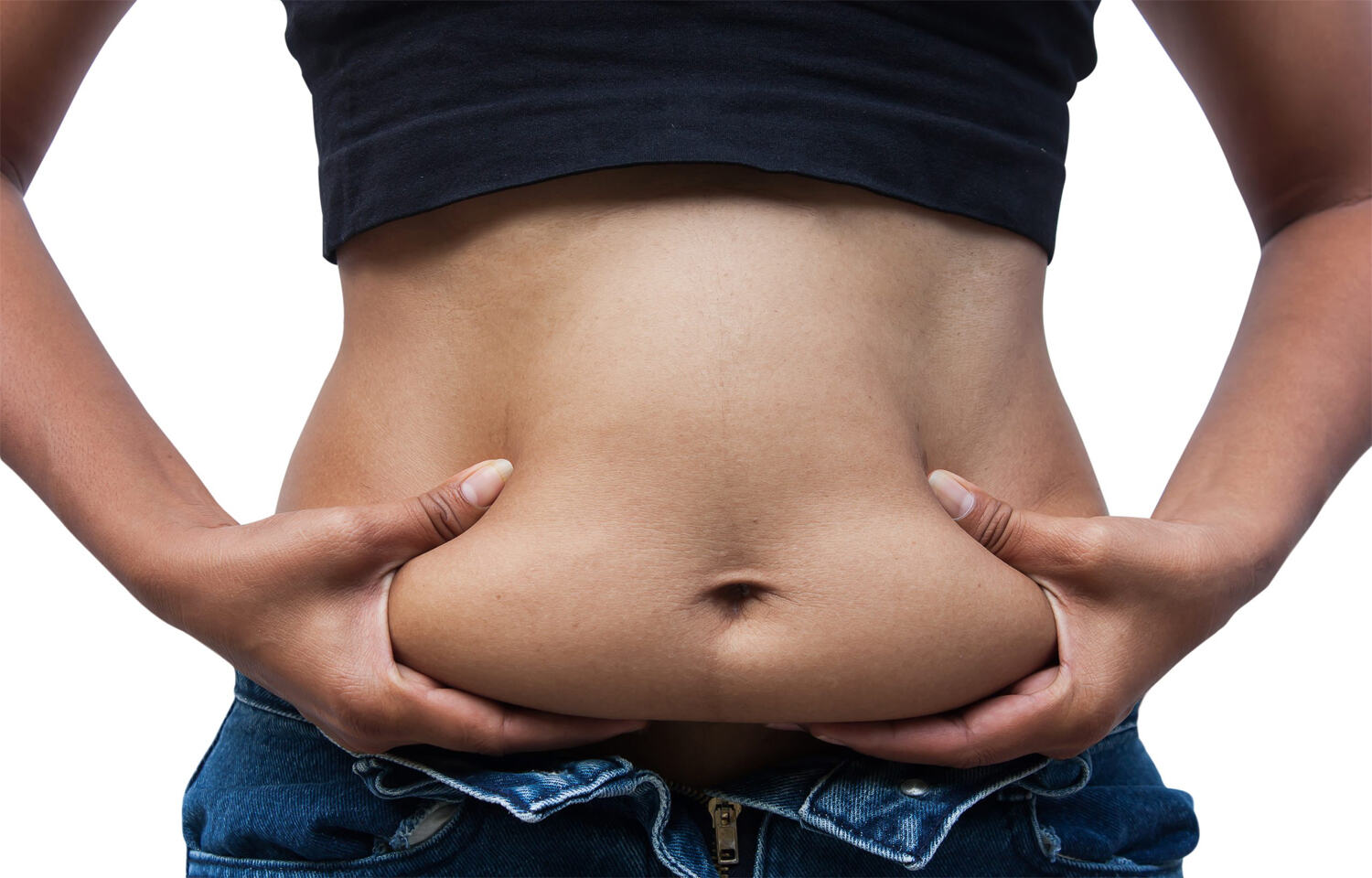
A critical distinction made in the report involves the location of fat deposits within the body. While subcutaneous fat resides just beneath the skin and is often the most visible, it is visceral fat—the adipose tissue packed around internal organs—that poses the greatest health risk. This visceral fat is described as "highly active," meaning it continuously secretes inflammatory cytokines into the bloodstream. These chemicals act as systemic irritants, damaging the lining of blood vessels and interfering with the delicate hormonal balance required for healthy organ function.
The cardiovascular system bears perhaps the most immediate burden of excess adipose tissue. Because every pound of fat requires oxygen and nutrients, the body must expand its total blood volume to service the additional tissue. This forces the heart to increase its cardiac output, pumping more blood with every beat. Over time, this constant high-pressure demand leads to hypertension and a condition known as left ventricular hypertrophy. In this state, the muscle of the heart’s main pumping chamber thickens and stiffens to cope with the workload, eventually reducing the heart's overall efficiency and increasing the risk of failure.
)
Related article - Uphorial Shopify
Parallel to the cardiac strain, the liver faces its own systemic siege. As fat intake increases beyond the body's processing capacity, the liver begins to store excess lipids within its own cells, leading to non-alcoholic fatty liver disease. This structural change severely disrupts insulin signaling. Under normal conditions, the liver stops releasing glucose when blood sugar is high; however, a fatty liver becomes "insulin resistant," continuing to dump sugar into the bloodstream even when levels are already dangerously elevated.
This failure of the liver places an unsustainable demand on the pancreas. To compensate for the rising blood sugar, the pancreas overworks to produce massive quantities of extra insulin. Eventually, the insulin-producing cells become exhausted, leading to the onset of Type 2 diabetes. The resulting chronic high blood sugar acts as a corrosive agent throughout the body, accelerating atherosclerosis—the hardening of the arteries—and causing irreversible damage to the nervous system, a condition known as diabetic neuropathy.
Despite the gravity of these anatomical insights, the Institute's report offers a significant pathway for recovery. Researchers emphasize that the body possesses a remarkable capacity for resilience, particularly in the early stages of metabolic decline. The study notes that a relatively modest reduction in fat—specifically a loss of 5% to 10% of total body weight—can trigger a dramatic reversal of internal damage. Such a shift can reduce the inflammatory output of visceral fat, ease the workload on the heart, and restore the liver's sensitivity to insulin. By prioritizing consistent lifestyle adjustments over rapid, unsustainable fixes, individuals can effectively halt the progression of these systemic crises and allow their internal organs to return to a state of biological equilibrium.