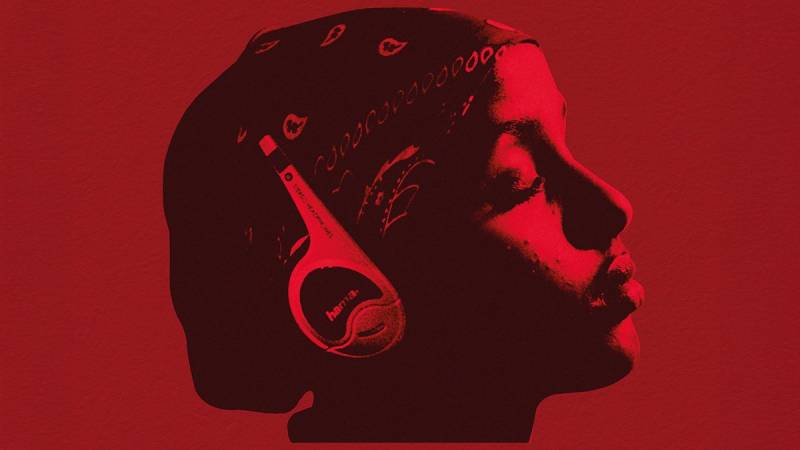
HOLLYWOOD – The pressure of a professional kitchen is often described as a crucible, but for Julian, the protagonist of the dramatic short film Mushroom Dad, the heat of the burners is nothing compared to the scorching gaze of his father. The film explores the high-stakes world of fine dining not through the lens of culinary achievement, but through the fractured relationship between a son striving for independence and a father unable to let go of his own ghosts. As Julian prepares for the most important night of his career—the opening of his own restaurant—the arrival of his father, Paul, threatens to derail more than just the evening’s service; it threatens to dismantle Julian’s sense of self-worth.
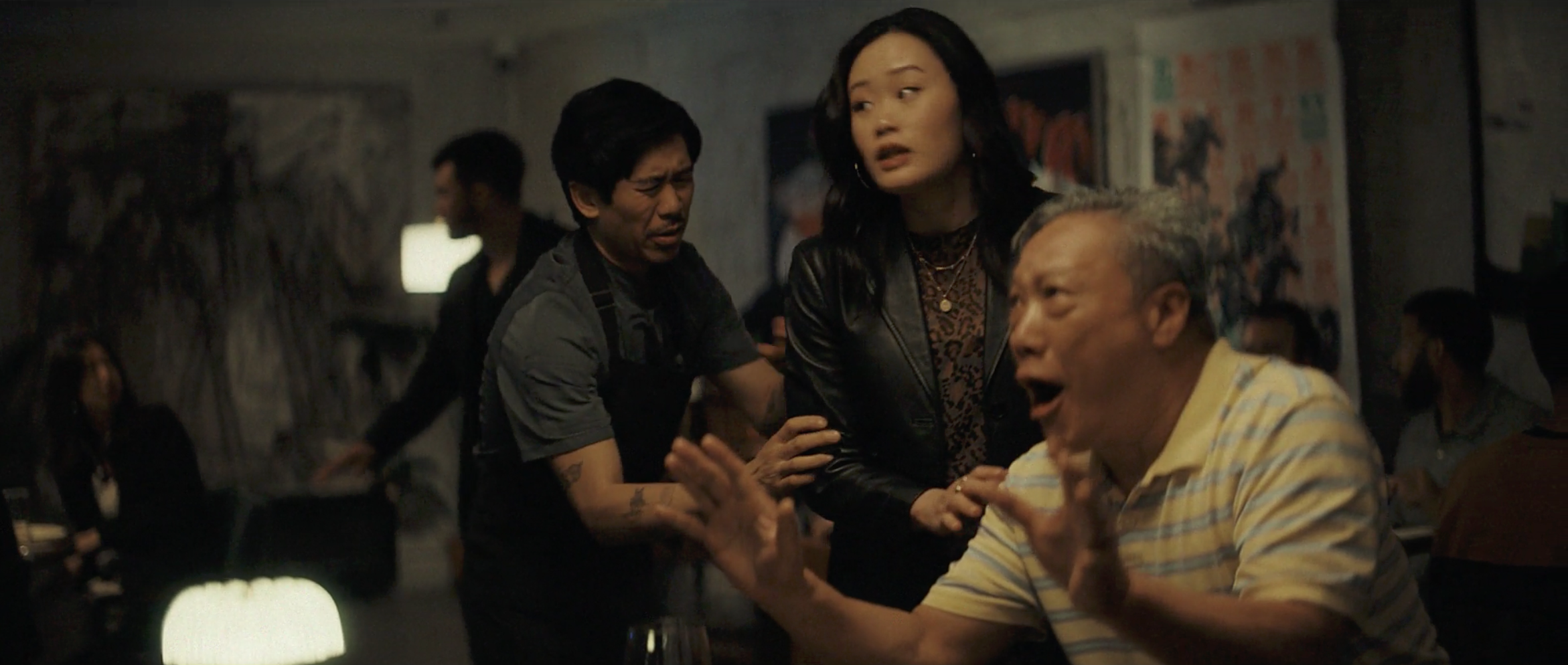
The narrative tension is established early, as the film depicts Julian managing a high-stakes dinner service with a prominent food critic in attendance. Julian’s leadership style is quiet and focused, yet his confidence is visibly eroded by Paul’s constant, unsolicited interference. Paul, a man defined by a stern and unyielding demeanor, moves through the kitchen not as a guest, but as a judge. He undermines Julian’s authority at every turn, dismissing carefully crafted dishes as "bland" and openly criticizing Julian’s ability to lead his staff. This opening act serves as a visceral representation of the generational divide, where the father’s "tough love" manifests as a suffocating form of psychological sabotage.
The trajectory of the film shifts drastically due to a moment of accidental levity that carries profound consequences. In the midst of the chaos, Paul inadvertently consumes a mushroom tea belonging to one of Julian’s colleagues. What begins as a moment of culinary confusion quickly spirals into a vivid psychedelic experience that strips away Paul’s carefully constructed emotional armor. As the barriers of his stern personality begin to dissolve under the influence of the tea, the audience witnesses the unraveling of a man who has spent a lifetime suppressing his own softness in favor of survival.
Related article - Uphorial Shopify

This chemical intervention facilitates an emotional reconciliation that would have been impossible in a sober state. The tension that had defined the first half of the film evaporates, replaced by a raw, unfiltered vulnerability. During his psychedelic journey, Paul finally speaks the truths he had buried beneath decades of criticism. He admits to Julian that his harshness was never about a lack of faith in his son’s talent, but rather a misguided attempt to immunize him against the hardships Paul himself faced during a grueling career. In a poignant moment of clarity, he reveals that his critiques were a shield, born from a desire to spare Julian from the professional pain and failure he once endured.

The resolution of Mushroom Dad eschews the typical tropes of a clean, cinematic ending in favor of something more human and hopeful. As the effects of the mushroom tea begin to wane, the air between father and son remains cleared. The generational gap is not closed instantly, but it is bridged by a newfound mutual respect. Julian, seeing the man behind the father for the first time, offers a gesture of profound forgiveness: he invites Paul back into the kitchen. This time, however, the invitation is not for Paul to judge, but for the two men to coexist.
Ultimately, the film serves as a powerful meditation on the ways in which parents and children communicate—or fail to. By using the high-pressure environment of a restaurant opening and the unpredictable variable of a psychedelic experience, Mushroom Dad captures the universal struggle of the second generation to find approval from the first. It concludes on a heartfelt note, suggesting that while the past cannot be rewritten, the future can be seasoned differently. As the credits roll, the image of the two men standing side-by-side at the pass signals a shift from conflict to collaboration, proving that sometimes, it takes a complete loss of control to finally find a common language.