Taiwan Semiconductor Manufacturing Company (TSMC) has sent a powerful signal to global markets, posting a robust forecast that confirms demand for artificial intelligence remains intact despite broader economic anxieties. Hosted by Caroline Hyde in New York and Ed Ludlow in San Francisco, Bloomberg Technology detailed how the world’s most important chipmaker expects revenue to grow by nearly 30% this year, with capital expenditure potentially reaching $56 billion. This optimism has propelled chip equipment giants like ASML to record valuations, even as TSMC’s leadership warns that they must invest carefully to avoid a "big disaster" should the AI boom eventually resemble a bubble. While the high-end hardware sector thrives, a critical shortage of memory chips is beginning to squeeze capacity for consumer electronics, driving up prices for smartphones and impacting the margins of legacy PC makers like HP and Dell.
Geopolitics and infrastructure remain central to the tech narrative as the U.S. and Taiwan negotiate a trade deal intended to lower tariffs and incentivize domestic manufacturing. Under this framework, TSMC is expected to significantly increase its footprint in the United States, potentially adding four to five new fabrication plants on top of existing plans.

Simultaneously, OpenAI is aggressively shoring up its own hardware supply chain, seeking U.S. partners for robotics and consumer devices while inking a multi-billion-dollar deal with Cerebras for 750 megawatts of computing power. This massive demand for infrastructure is occurring even as the nation’s largest grid operator, PJM Interconnection, recently cut its summer 2027 power demand forecast—a move some analysts view as a conservative underestimate that fails to account for the "hockey stick" momentum of AI data center growth and the rising reliance on on-site power generation like natural gas and small modular reactors.
The regulatory environment is also tightening, particularly in New York City, where the mayor’s office has launched a lawsuit against the delivery tech firm Moto Click for alleged wage violations. City officials are increasingly focused on the gig economy, accusing major platforms like Uber and Door Dash of implementing app changes that have reportedly cost delivery drivers $550 million in tips. Meanwhile, the Trump administration continues to pivot toward national security and resource independence, recently signing a proclamation to secure access to rare earth minerals and reduce China’s dominance in the supply chain. This move provides an unexpected lifeline to the domestic EV industry, which relies heavily on these materials, even as the administration remains critical of other green initiatives like offshore wind.
In the realm of aerospace and defense, the administration is prioritizing the "Golden Dome" missile defense system, a complex proposal that will require unprecedented cooperation between the government and commercial partners like SpaceX.
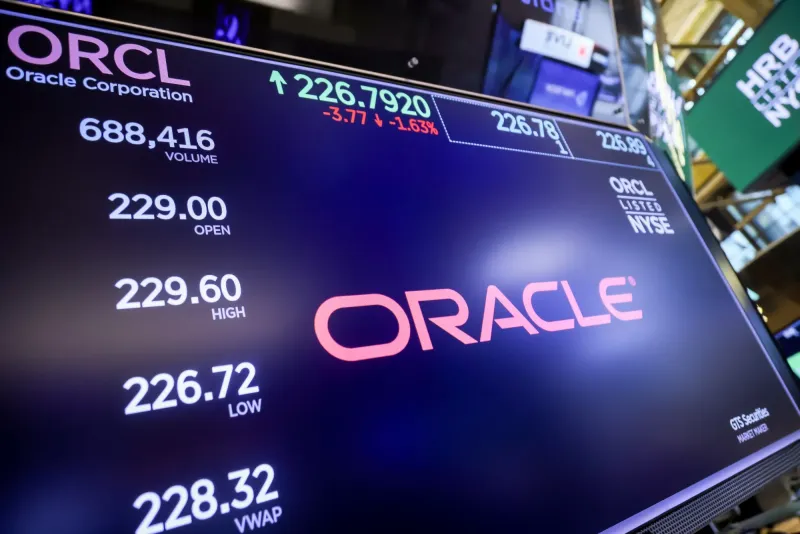
The recent successful medical evacuation from the International Space Station via SpaceX hardware serves as further evidence of the growing trust and operational maturity in private-public space partnerships. Closer to home, corporate giants are facing their own logistical hurdles; Oracle is currently struggling to convince its talented workforce to relocate from traditional tech hubs like California and Seattle to its new global headquarters in Nashville, despite the city’s rising status as a tech destination. As the 2026 tech landscape takes shape, the industry is defined by a frantic race to secure the physical components of progress—chips, power, and minerals—amid shifting political and regulatory tides.