The humid mid-May air settling over the Mississippi River seemed to carry the distinct, heavy weight of early-season desperation as the St. Louis Cardinals and Pittsburgh Pirates took the field at Busch Stadium. For two historic National League Central rivals trapped in the grueling, day-to-day war of attrition that defines the baseball calendar, this mid-week encounter was never going to be just another line in the win-loss column. It was a visceral psychological battle for regional supremacy, played out before a passionate, red-clad crowd that understands baseball not merely as a pastime, but as a multi-generational cultural inheritance. By the time the final, decisive blow cut through the St. Louis night, culminating in an absolute explosion of raw emotion and physical celebration at home plate, the contest had transcended standard box-score analysis, providing a masterclass in strategic storytelling and transformational framing that exposed the razor-thin margins between sporting heartbreak and collective ecstasy.
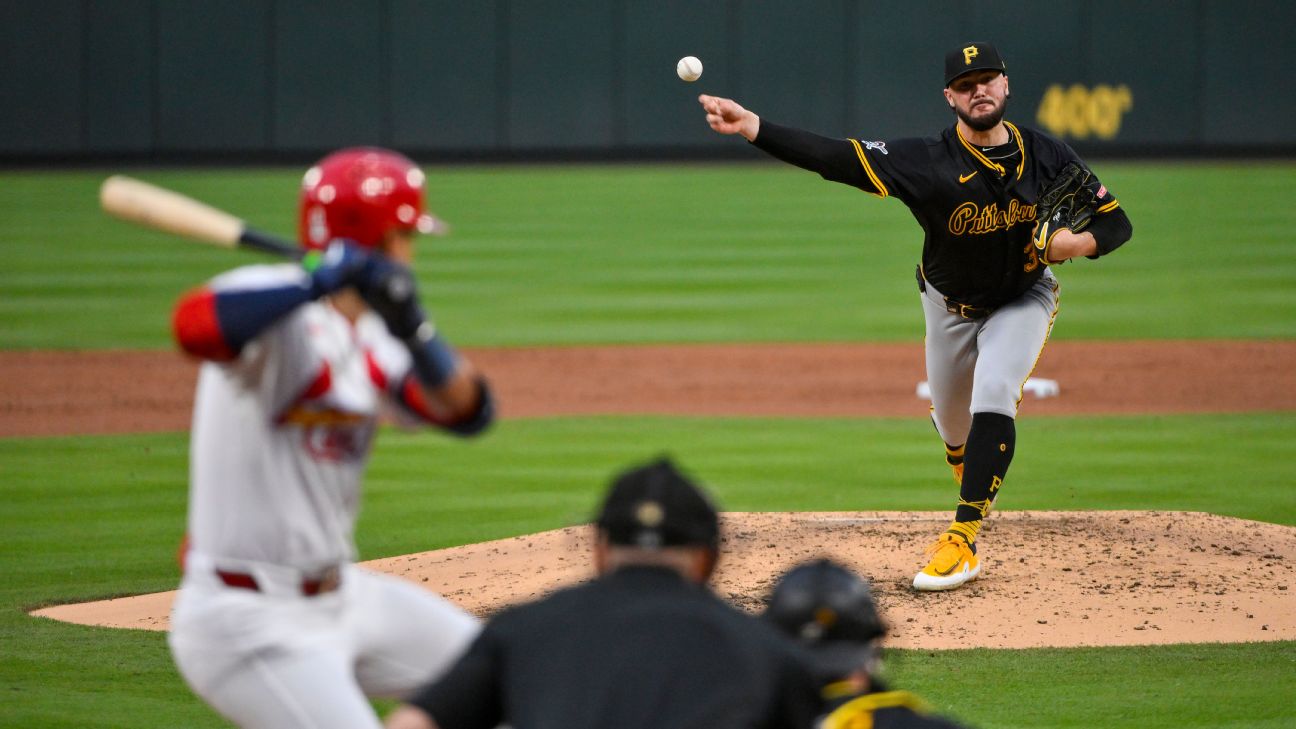
The operational tone of the evening was initially established not by offensive fireworks, but through a brilliant, high-density pitching duel that felt like a deliberate throwback to the division's classic era of defensive asphyxiation. On the mound for the Cardinals, young left-hander Matthew Liberatore operated with a cold, calculating precision, weaponizing a devastating breaking ball and absolute command of the strike zone to systematically dismantle the Pirates' lineup. Across the diamond, Pittsburgh’s ace Mitch Keller matched his counterpart frame for frame, navigating the high-stakes traffic of the early innings with a gritty, unyielding resolve. Liberatore, pitching with the intense burden of proving his long-term structural value to the franchise, reached a monumental personal milestone by racking up a career-high nine strikeouts, turning the game into a captivating showcase of tactical pitching geometry and leaving both offenses searching for answers in the dirt.
The tactical stalemate finally ruptured in the bottom of the third inning, transforming the quiet tension of Busch Stadium into an absolute cauldron of noise. The breakthrough materialized through the explosive bat of JJ Wetherholt, who intercepted a rare, hanging Keller offering and sent it screaming over the right-field wall for a majestic two-run home run. The blast did more than just break the scoreless tie to put the Cardinals up by two; it acted as a vital emotional catalyst, validating St. Louis’s aggressive approach at the plate and forcing the Pirates into a defensive posture. For two frames, the Cardinals maintained this fragile operational advantage, leaning on Liberatore’s historic brilliance to suppress any immediate counter-response from the gritty Pittsburgh dugout.
Related article - Uphorial Shopify
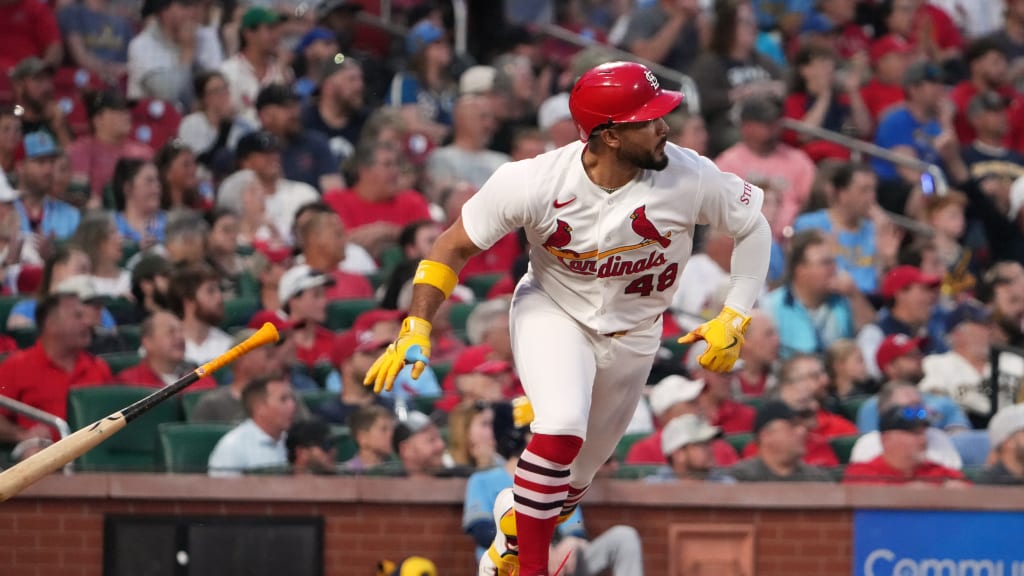
However, the true beauty of baseball lies in its complete refusal to adhere to a linear script, a reality the Pirates aggressively demonstrated during a chaotic and transformational fifth-inning rally. Refusing to be demoralized by Liberatore’s dominance, the Pittsburgh offense executed a masterful display of situational hitting, engineering a relentless four-run onslaught that completely flipped the game's competitive axis. The sequence reached its aesthetic peak when Bryan Reynolds stepped into the batter's box with runners in scoring position, unleashing a fierce, two-run double that rattled into the outfield bricks and erased the Cardinals' hard-earned lead. Moments later, the towering Oneil Cruz stepped up to deliver a textbook, RBI single that drove home the go-ahead run, capping off a stunning comeback that left the home crowd in stunned silence and handed the Pirates a 4-3 advantage.
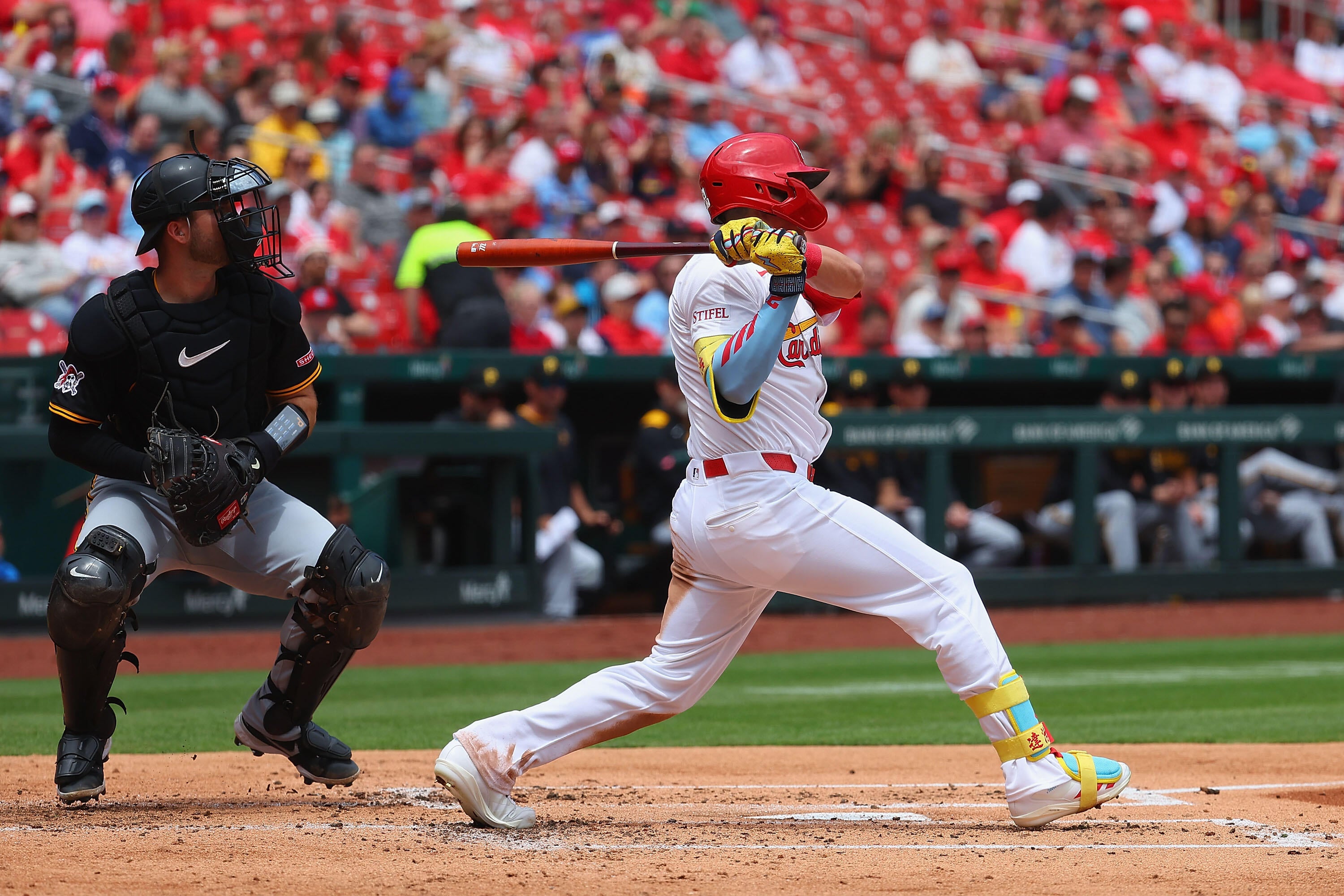
The emotional precision of this contest was pushed to even greater heights in the immediate aftermath, as the Cardinals refused to let the game slide into a quiet defeat. In the bottom of the sixth inning, with the pressure mounting and the margin for error completely gone, Nolan Gorman stepped into the spotlight to deliver a pivotal, two-run home run that recaptured the lead for St. Louis. The blast re-energized the stadium, setting the stage for a late-game drama that would push both rosters to the absolute limits of their tactical depth. As the game moved into the ninth inning, Pittsburgh manager Derek Shelton dipped deep into his bench, calling upon Spencer Horwitz for a high-stakes, pinch-hit appearance. Horwitz delivered with absolute icewater in his veins, lacing a clutch, game-tying single that leveled the score at 6-6 and dragged the exhausted combatants into the unpredictable, high-stakes theater of extra innings.
The ultimate climax of this encounter arrived in the bottom of the tenth inning, a frame that will be remembered as a definitive testament to the power of human willpower over statistical probability. With the ghost runner anchored on second and the tension at a breaking point, Ivan Herrera stepped up to the plate with an opportunity to etch his name into Cardinals folklore. Herrera did not blink, connecting with a pitch and driving a dramatic, three-run walk-off home run into the night sky to finalize the score at 9-6. As Herrera rounded the bases, abandoning all professional composure to leap into a mob of his ecstatic teammates at home plate, the moment solidified itself as a definitive early-season turning point. It was an extraordinary performance that proved that while data and strategy map the terrain of modern baseball, the game’s ultimate outcomes are still entirely decided by the unquantifiable depth of human spirit and the timeless pursuit of competitive glory.