Venturing beyond the conventional, Richard Branson’s life is an ongoing chronicle of audacious risk-taking, corporate combat, and humanitarian engagement, elements dissected in detail during his interview with journalist Graham Bensinger. Branson, discussing the mentality that drives his empire, states that true leaders inherently see opportunities where others perceive only challenges. This perspective has fueled both his record-setting adventures and his disruptive business ventures.
The discussion with Bensinger begins with Branson recalling near-death experiences during his ballooning expeditions. During one attempt to cross the Pacific, they lost two fuel tanks, reducing their chance of survival to less than 1%. Branson needed a miracle, finding it by steering the balloon into the core of the jet stream, achieving a phenomenal speed of 230 mph, far surpassing the previous record of 80 mph for balloons. Though they missed Los Angeles by nearly 2,500 miles and landed in the Arctic on a frozen lake, they completed the first Pacific balloon crossing, surviving to tell the tale. Another dramatic moment arose during the first Atlantic crossing attempt when his captain, Pere, fearing severed cables, threw himself into the freezing ocean. Finding himself alone in the largest balloon ever flown, soaring thousands of feet, Branson prepared to parachute until he realized the balloon itself was "the biggest parachute in the whole world". He threw himself off the capsule just before it hit the North Sea, where, by sheer luck, a military helicopter exercise was coincidentally taking place, resulting in a swift rescue. Bensinger also mentions another nautical adventure in which Branson’s vessel rode 50-foot waves for seven hours after a refueling ship accidentally filled their tanks with half water and half fuel.
Branson’s business philosophy mirrored his appetite for risk. Early in his career, launching Student Magazine from a school phone box, he learned the "art of bullshit," successfully leveraging the interest of one company (like Coke) to secure advertising commitments from its rivals (Pepsi). The very name "Virgin" was initially resisted by authorities who deemed it rude, until Branson used the dictionary definition of "pure untouched unblemished perfection" to justify its registration. Bensinger notes that Branson’s keen ability is to figure out how to make things happen, an ability born partly from his dyslexia, which forced him to delegate and concentrate on what he was good at. He humorously admits to Bensinger that he didn't grasp the difference between "net" and "gross" until he was 50, requiring a director to use a drawing of a fishing net and fish to finally explain the concept.
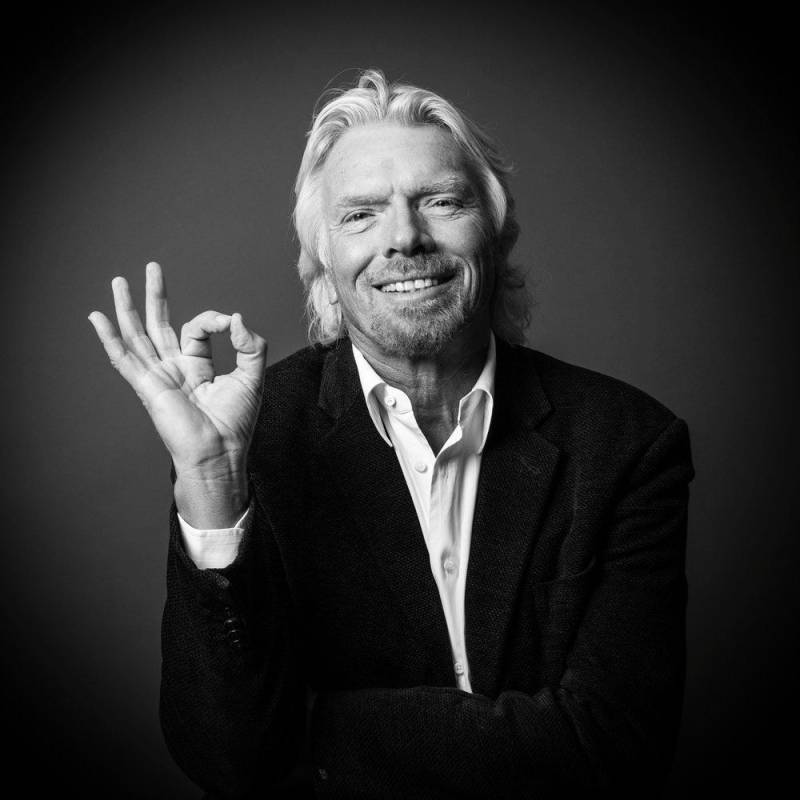
Related article - Uphorial Radio
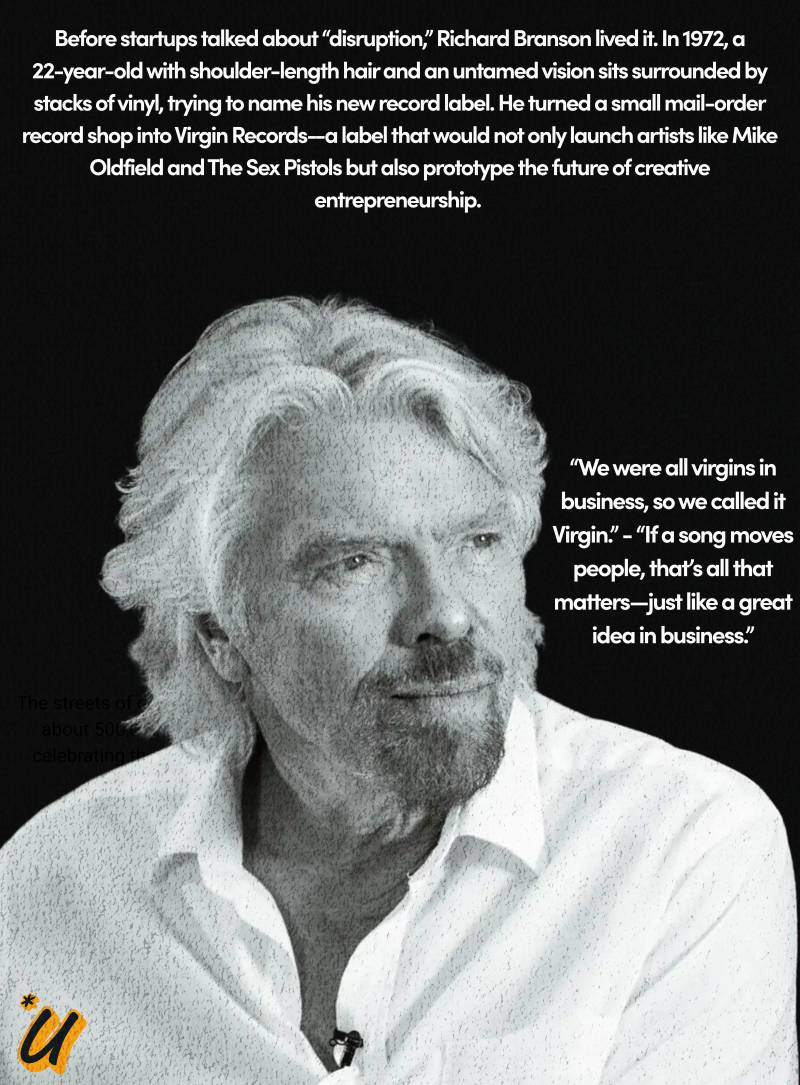
Richard Branson: Near-death adventures, space travel and mentality
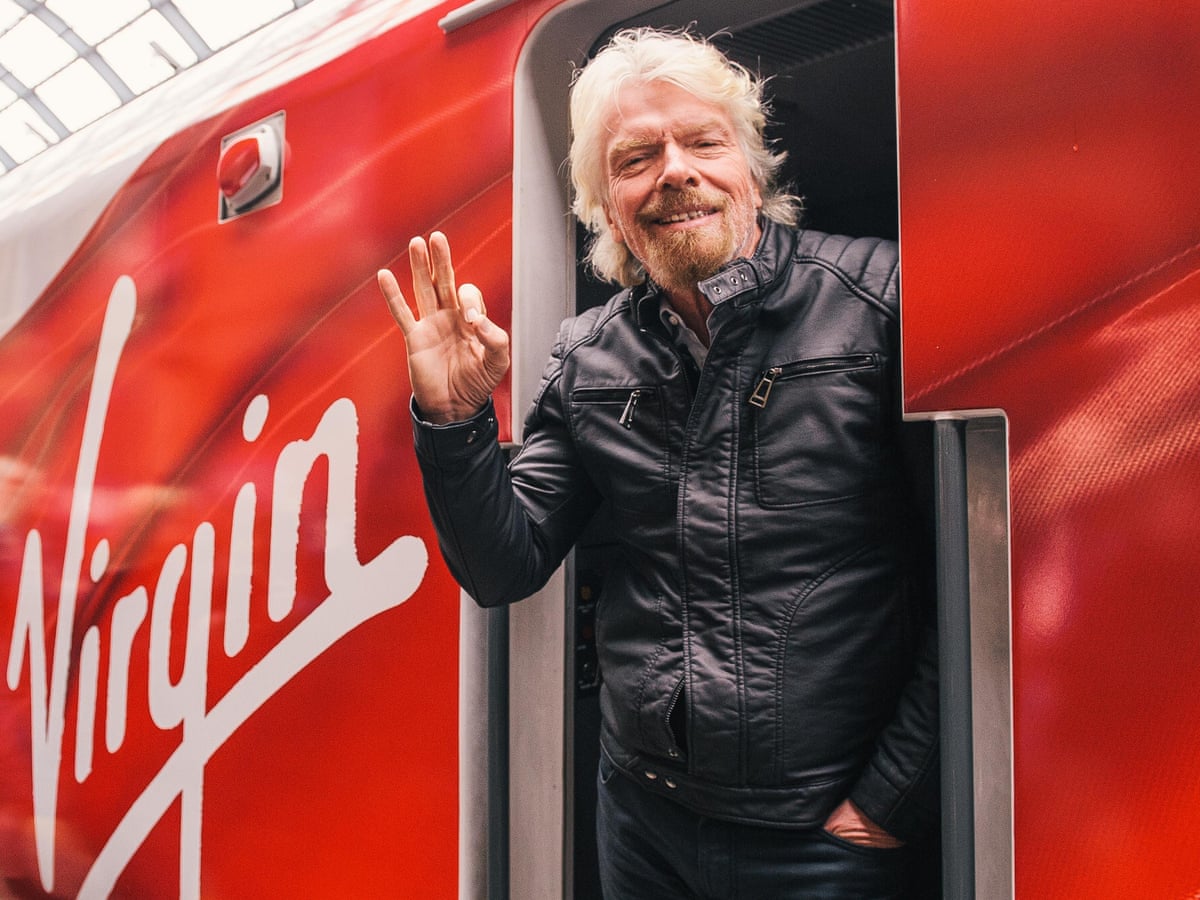
The start of Virgin Atlantic, an idea his partner Simon Draper suggested should land him in a "white coat" and "locked up", led to his most infamous corporate feud. Branson recounts to Bensinger the British Airways "dirty tricks" campaign, where British Airways staff impersonated Virgin staff to confuse and switch Virgin passengers, intercepted passengers at the airport, and even went through his rubbish bins to find disparaging information. Virgin sued British Airways for libel and won the largest damages in British history, which Branson distributed to his staff as the "British Airways Christmas bonus". To gain the financial muscle needed for this fight, Branson painfully sold Virgin Records for a billion US dollars, securing the future of both companies. He explained his business decision-making process to Bensinger by highlighting the importance of creating the "best in its field". Virgin Atlantic, being "exceptionally better" than the competition, survived, but his notable failure, Virgin Cola, was only "a little bit better," allowing Coca-Cola to systematically "kneecap" the product off retailer shelves through massive financial leverage.
Branson's adventurous spirit also intersected with global diplomacy. An opportunity arose after he flew King Hussein and Queen Noor of Jordan in a hot air balloon. This relationship later uniquely positioned him to travel to Baghdad to secure the release of Western hostages from Saddam Hussein. However, his biggest regret, he tells Bensinger, was not being able to stop the subsequent Iraq War, which he vehemently opposed. This failure, leading to the rise of ISIS and the ruin of regional balance, motivated him and Peter Gabriel to set up The Elders, a group including Nelson Mandela and Archbishop Tutu, to resolve international conflicts.
The current focus is Virgin Galactic, which Branson calls perhaps the biggest challenge of his life. It was inspired by an earlier, declined Russian offer to go to space for $40 or $50 million, an expense he felt would be perceived as a waste for one person. The space venture includes Virgin Galactic for private citizens and Virgin Orbit for satellites, with the latter securing Department of Defense contracts. The program was set back by the loss of a test pilot, but the 750 signed-up passengers and 700 engineers overwhelmingly pushed for the work to continue, believing the resulting safety improvements would make the program inherently safer. Branson anticipates he and his grown children will be among the first to travel, noting the acceleration from zero to over 3,000 mph in seven seconds, followed by the sudden hush of "complete tranquility" upon reaching space. Beyond tourism, the space ventures, including the OneWeb project, aim to connect the four billion unconnected people globally and push for the return of supersonic air travel to replace the defunct Concorde.
When Bensinger asks if he will undertake such extreme adventures again, Branson simply replies that he cannot resist saying "yes" if the challenge is one, he would regret watching someone else do on television. He also shared a bizarre memory of Donald Trump during a 1990s lunch, where the then-businessman vowed to dedicate his life to destroying five people who had refused him financial help—an anecdote Branson included in his book, Finding My Virginity, feeling it offered an interesting perspective on the current President of America. Branson and Bensinger conclude the discussion reflecting on the entrepreneurial spirit and the continuous pursuit of extraordinary achievements.