The international art market experienced a profound structural recalibration when a landmark collaborative retrospective and record-shattering standalone auction, Visual Language: The Art of Irving Penn, redefined the commercial and critical valuation of twentieth-century analog photography. Orchestrated as an unprecedented partnership between a premier global auction house and the artist’s estate, the event functioned as a sweeping, multi-layered celebration of an uncompromising, seven-decade-long career. This historic standalone sale marked the first time the estate had ever released works directly from its archival reserves to the public market, offering collectors an elite, flawless tier of provenance that generated an intense atmosphere of reverence across the global art community. The event did far more than simply clear inventory; it served as a highly strategic curatorial thesis that forced a modern, digital-first audience to confront the dense, grueling discipline of historical image-making, proving that the technical precision of a master artisan remains completely unequaled in the contemporary era.
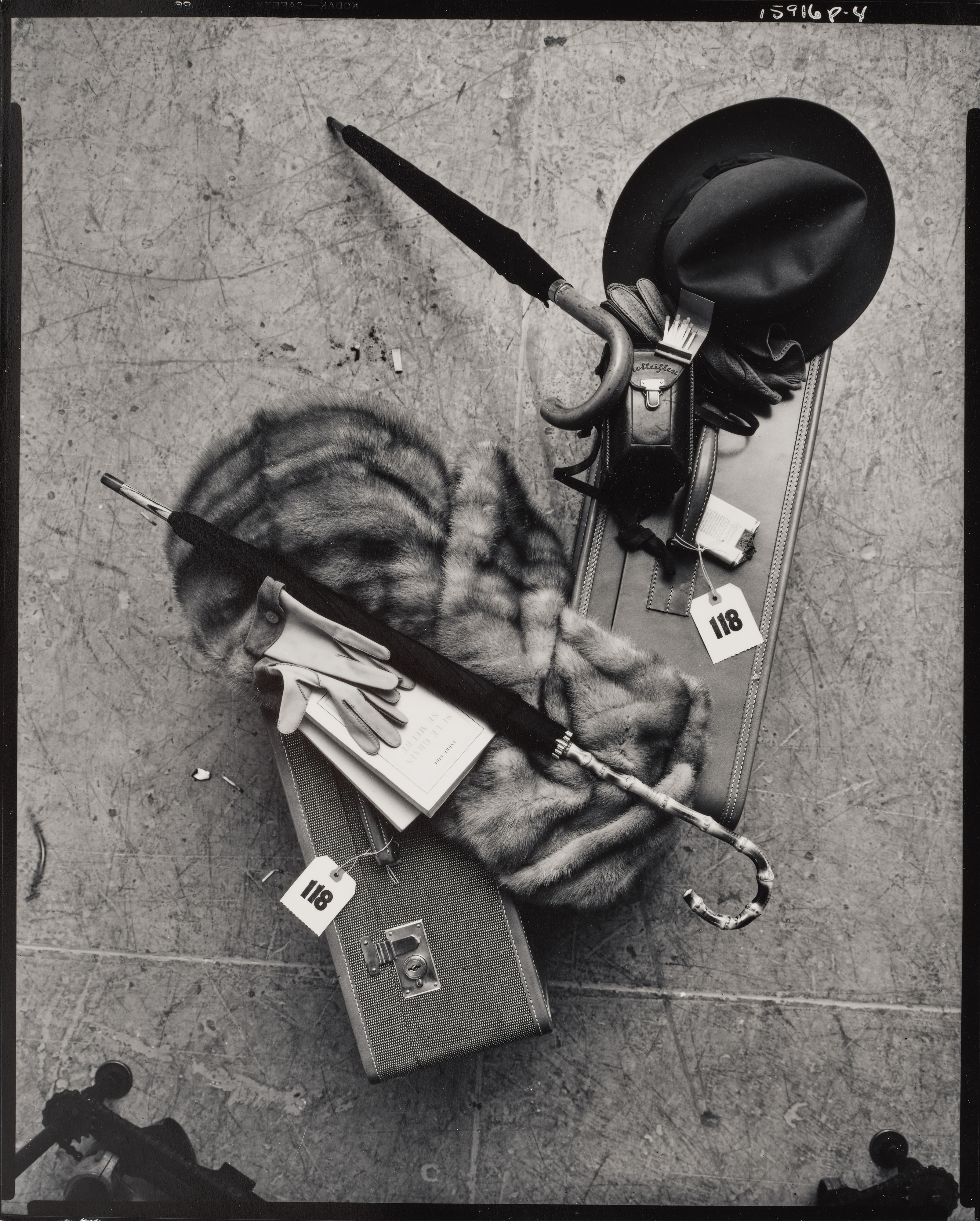
At the absolute center of this retrospective was a profound exploration of the strict, near-religious aesthetic principles that governed the artist’s visual vocabulary. The exhibition painstakingly highlighted his unparalleled mastery of negative space, demonstrating an emotional precision that transformed ordinary editorial compositions into timeless psychological landscapes. Rather than treating the empty areas of a frame as mere voids, the photographer weaponized negative space to initiate a silent, suffocating dialogue within the image, trapping his subjects—ranging from elite fashion models to blue-collar laborers—in a stark, vacuum-like clarity that stripped away all cultural distraction.

This minimalist restraint was fiercely balanced by a lifelong obsession with the physical realization of the print. Visitors were forced to slow down and absorb his radical reinterpretation of historical nineteenth-century print-making techniques, most notably his revival of the complex platinum-palladium process. By hand-coating heavy art papers with rare, light-sensitive metals, he coaxed out deep, velvety textures and an infinite range of rich, smoky tonalities that standard silver-gelatin or digital processes simply cannot replicate, ensuring that each physical object was an unrepeatable monument of material craft.
Related article - Uphorial Shopify

The commercial response to this uncompromising discipline was a resounding, historic validation, with the dedicated seventy-lot auction soaring past its highest pre-sale boundaries to realize an astonishing total of four point eighty-six million dollars. Exhibiting a remarkable ninety-four percent sell-through rate, the auction room became a battleground of intense international competition, with twenty-five separate lots obliterating their high estimates as legacy connoisseurs and a wave of new global collectors clashed for ownership. The undisputed crown jewel of the historic day was a rare dye-transfer print of Ginkgo Leaves, an arresting, hyper-focused botanical study from 1990. Chasing a fierce, multi-million-dollar telephone bidding war, the masterpiece eventually hammered down for an earth-shattering five hundred and sixty-seven thousand, six hundred dollars—more than doubling its low estimate and establishing an absolute, historic auction record for that specific work. Other landmark sales, including his iconic Black and White Vogue Cover which surged to one hundred and ninety-three thousand, five hundred dollars, re-established that the market views these works not as disposable editorial photography, but as premium, blue-chip fine art investments.
Beyond the immediate financial triumphs, the retrospective operated through a deeply moving, transformational framing regarding the preservation of artistic intent and the strict limitations of a creator's legacy. Central to the event's ethos was the ironclad, systemic mandate established by the artist prior to his passing: the absolute prohibition of any posthumous printing. The works offered to the world during this sale represent a finite, non-renewable ecosystem of imagery; whatever physical prints were touched, approved, and left behind in his darkroom are the only pieces that will ever exist to represent his life’s work. This non-negotiable scarcity completely changes the psychology of collecting his art, elevating each authentic print from a reproducible image into an irreplaceable, finite relic of twentieth-century cultural history. By showcasing these pristine artifacts, the joint venture successfully fulfilled a profound educational and charitable mission, raising vital capital to expand the estate's global arts programming while proving that his quiet intensity, precise technical standards, and relentless pursuit of formal excellence continue to dictate the absolute pinnacle of photographic art.