The atmosphere across South Africa in mid-2026 is one defined by a profound and dangerous schism. As anti-migrant sentiment surges, the country finds itself locked in a cycle of fear, social distrust, and sporadic violence that threatens the very fabric of its constitutional democracy. At the heart of this unrest are nationwide demonstrations—culminating in the volatile period surrounding June 30—where citizens have taken to the streets to demand the removal of undocumented foreign nationals. For the migrant and asylum-seeker communities, these protests are not merely political statements; they are tangible threats to their safety, forcing thousands to live in hiding or flee the country entirely.
The lived experience of these migrants is one of acute, daily anxiety. Many describe a reality where their legal status offers little protection against the growing tide of vigilante groups and localized xenophobia. Central to this vulnerability is the state of South Africa’s immigration system. The Department of Home Affairs is mired in backlogs and systemic corruption, leaving even those who have followed the legal process in a perpetual state of bureaucratic limbo. This administrative failure—where individuals wait years for asylum decisions—creates a fertile ground for harassment. When legal documentation is difficult to obtain or renew, even documented migrants are often targeted by authorities and private citizens alike, effectively stripping them of their right to dignity and protection.
Related article - Uphorial Shopify
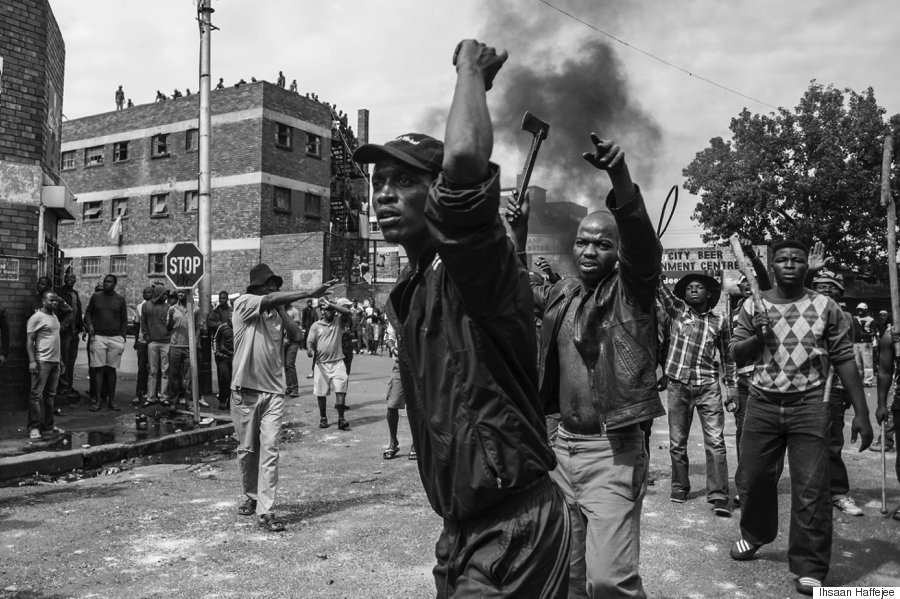
Underlying these tensions is a deep-seated socio-economic frustration among South Africans. With high unemployment, persistent inequality, and inadequate access to public services like housing and healthcare, many citizens are looking for someone to blame. In many township and urban environments, this frustration has been channeled directly at foreign nationals, who are often scapegoated as the cause of economic exclusion. While it is legitimate for citizens to demand secure borders and functional public services, the rhetoric currently dominating the national conversation often ignores the systemic government failures and corruption that truly drive the country’s economic struggles. By framing migrants as the primary cause of these structural issues, political actors and vigilante movements have effectively stoked a fire that is increasingly difficult to extinguish.
This debate has become a painful confrontation with the concept of belonging in South Africa. One faction of the citizenry maintains that the country must prioritize its own, viewing the presence of foreigners as an infringement on their rights. Conversely, advocates for human rights and social cohesion emphasize the constitutional reality that South Africa is a country bound by law and human dignity, where safety is a right for every person within its borders. They point to the historical role migrants have played in the development of the nation and warn that the current trajectory of "Afrophobia" and exclusion is fundamentally at odds with the values of a country that fought so hard to dismantle its own legacies of apartheid and division.
As the country looks toward a resolution, the consensus among observers and leaders is that enforcement alone—through police raids, deportations, and border security—is a temporary, if not entirely cosmetic, solution. The calls for change are growing louder, emphasizing that migration is not a national "crisis" but a normal human pattern in an interconnected continent. The path forward requires a shift in messaging from the highest levels of government: moving away from the dehumanizing language of "illegals" and toward a strategy of orderly mobility, labor market integration, and regional cooperation. Without addressing the underlying drivers of migration and the corruption within the South African state itself, these tensions will continue to fester, threatening the stability of the entire region. The ultimate appeal, voiced by many across the continent, is for African leaders to confront migration as a collective challenge—one that requires shared responsibility rather than the erosion of the continent’s shared humanity.