The race to redefine human reach into the cosmos is not fought in the sterile quiet of a laboratory, but on the dust-blown, high-stakes proving grounds of the Texas coast. Critical Path, a compelling new documentary, pulls back the curtain on the grueling, high-pressure reality of SpaceX’s Starship V3 Flight 12, offering an immersive look at the relentless pursuit of orbital capability. Through a blend of technical forensic analysis and raw, human-centric storytelling, the film documents the longest, most precarious sequence of dependent tasks required to launch humanity's largest machine—a journey where a single broken component can halt the entire mission for weeks, or where a singular, improvised fix can salvage months of planning.
At the core of the documentary is the concept of the "critical path." In the high-velocity world of rapid iteration, this term takes on a visceral weight; it is the essential spine of the project, a sequence of tasks that cannot be skipped, bypassed, or shortened. Every failure along this path is treated not as a setback, but as an data point—a brutal but necessary lesson in the physics of spaceflight. The engineers at the heart of this project operate under a philosophy that demands constant evolution, pushing the limits of what is mechanically possible while navigating the immense complexity of an operational launchpad that functions more like a living, breathing mechanical organism.
The documentary is at its most tense when detailing the "Unpin Anomaly," a crisis that emerged during the final stages of pre-flight testing. The ship’s Quick Disconnect arm—the umbilical cord that fuels the vehicle—failed to unpin due to unforeseen pressure-related dynamics. The sequence of events that followed is a testament to the culture of speed at SpaceX: there was no time for prolonged bureaucratic review. Instead, the team went to work on the pad, engineering and welding a hard-stop bumper in a matter of hours to physically limit displacement. It is this brand of field-expedient problem solving that allows the team to survive the impossible, turning the launchpad into an agile extension of the engineering floor.

Related article - Uphorial Shopify
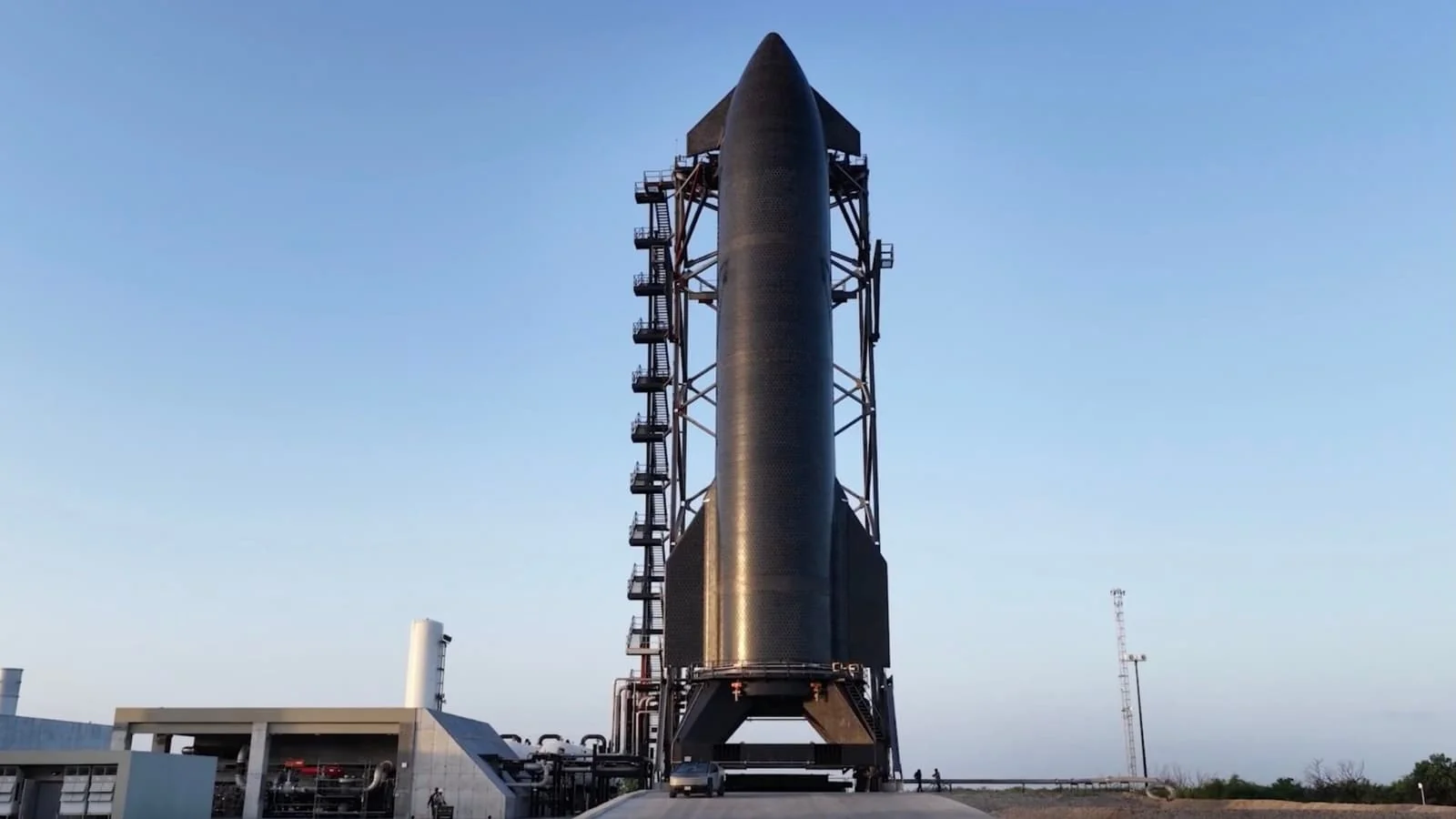
This rapid-fire approach was further tested by a series of pad-side aborts, caused by temperamental sensor vibrations and combustion faults during static fire attempts. The frustration in the control room is palpable, as the goalposts constantly move, but the eventual success of the full-duration static fire stands as a triumph of persistence over volatility. The tension only increases with the "Chain Crisis," a mid-timeline emergency involving a broken roller on the launch tower’s chopstick carriage. Described by the team as the world’s largest bicycle chain, the repair required a frantic 36-hour operation that saw parts sourced from Florida and hoisted into place by cranes in conditions that would have shuttered any other facility. It is a striking reminder that for all the futuristic aspirations of space travel, the machinery remains rooted in the mechanical realities of levers, pulleys, and friction.
The mission objectives for V3 were equally ambitious, centering on the need to visualize the invisible. SpaceX tasked the team with capturing high-fidelity, 3D imagery of the heat shield during the chaotic, thermal-shock environment of re-entry. To achieve this, the team deployed an exhaustive, high-stakes network of buoys and specialized drones across the Indian Ocean, a logistics operation that itself could have served as the focus of an entire documentary. This focus on data acquisition is central to the "transformational framing" of Starship; the goal is not merely to launch, but to understand the stresses of the return journey with a degree of accuracy that has never before been possible.
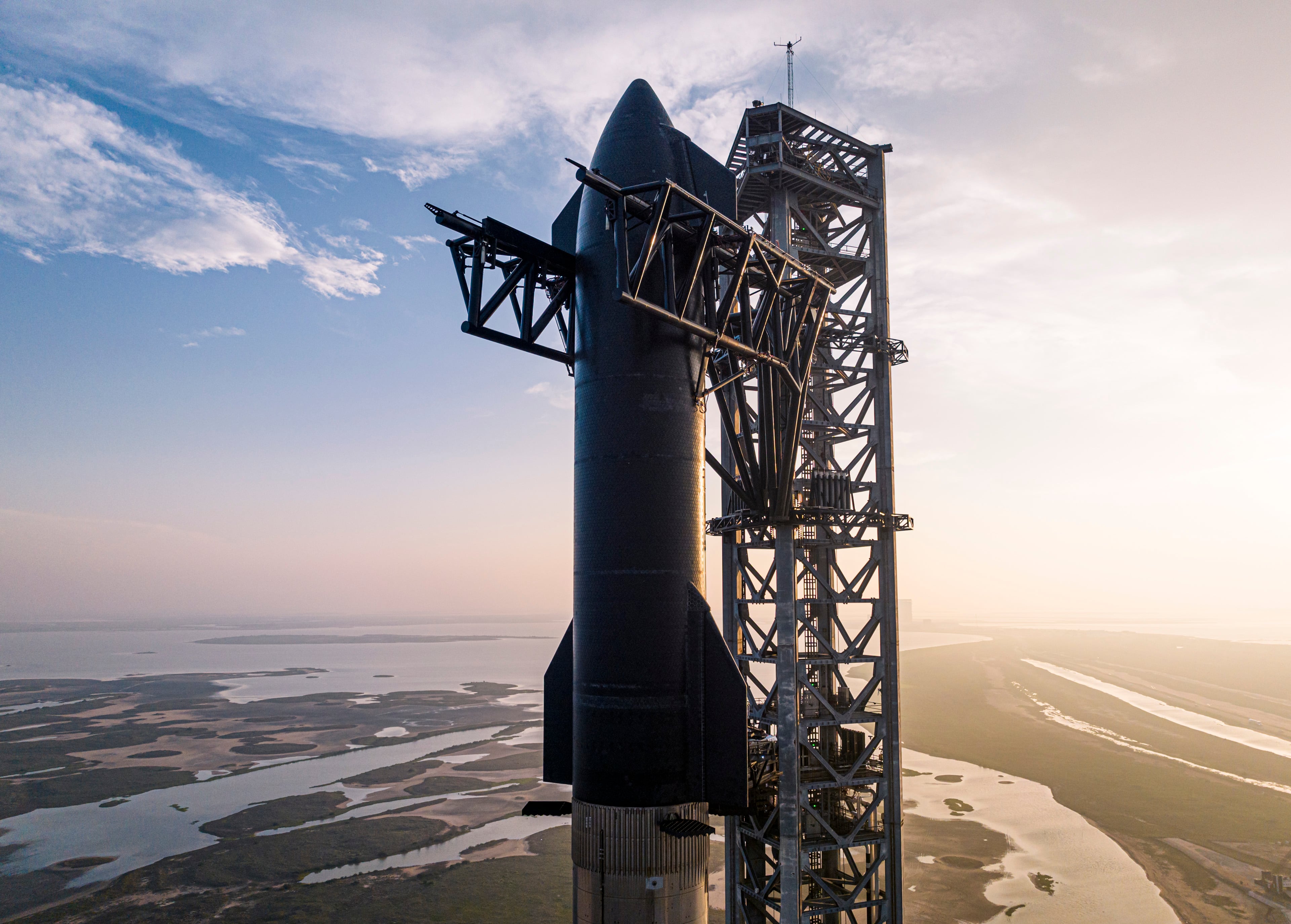
Beyond the data, the mission proved its utility through the deployment of 22 distinct objects—a mix of cutting-edge imaging satellites and simulators that represented the heaviest payload the company has ever lofted into the sky. When the final countdown commenced, the air of uncertainty was heavy, yet the sequence proceeded with an eerie, rhythmic precision. While the booster experienced an expected abort during the boost-back phase—a momentary hesitation that caused the collective breath of the entire site to catch—the ship itself remained resolute, maintaining its trajectory and touching down with the grace that belies its massive scale.
Critical Path is a sobering, exhilarating portrait of technical ambition. It eschews the typical triumphalism of space exploration documentaries, choosing instead to focus on the grit required to move an industry forward one bolt at a time. The documentary captures a fundamental truth about the Starship program: it is not a project characterized by a single moment of genius, but by the relentless, grinding, and often brilliant collaboration of thousands of people working under the constant threat of failure. As the V3 settles into its final position and the mission completes its cycle, the film leaves the viewer with a profound understanding of what it actually takes to leave the planet behind. It is a story of human ingenuity pushed to the absolute edge, where the path to the stars is paved with the ability to solve the impossible before the clock runs out.